The 2026 Guide to Belts: 5 Essential Casual Styles for Longevity
Advertisements
The 2026 guide to belts highlights five essential casual styles—classic leather, braided, canvas web, D-ring, and elastic stretch—chosen for their versatility, durability, and timeless appeal in enhancing everyday wardrobes.
In the ever-evolving landscape of fashion, certain accessories transcend fleeting trends, becoming indispensable staples. This comprehensive resource, The 2026 Guide to Belts: Reviewing 5 Essential Casual Styles for Longevity, delves into the enduring appeal and practical benefits of belts that truly stand the test of time.
The enduring appeal of classic leather belts
Classic leather belts remain a cornerstone of casual fashion, praised for their timeless aesthetic and remarkable durability. Their ability to age gracefully, developing a unique patina over time, makes them a favorite for those seeking both style and substance. Investing in a high-quality leather belt is not merely a purchase; it’s an acquisition that promises years of reliable wear and a continually evolving character.
Leather, as a material, offers unparalleled versatility. From rugged, full-grain options that complement a pair of well-worn jeans to smoother, refined finishes suitable for smart-casual ensembles, there’s a leather belt for every occasion. The key to longevity lies in the quality of the leather and the craftsmanship of the belt itself. Top-grain or full-grain leather will outlast bonded or genuine leather, offering a more robust and aesthetically pleasing accessory.
Understanding leather quality and its impact on durability
The longevity of a leather belt is intrinsically linked to the type and quality of leather used. Full-grain leather, derived from the top layer of the hide, retains all its natural imperfections and strength, making it the most durable and resistant to wear. It develops a rich patina over time, enhancing its character.
- Full-grain leather: The highest quality, most durable, and develops a beautiful patina.
- Top-grain leather: Slightly sanded to remove imperfections, but still very durable.
- Genuine leather: Made from multiple layers of leather scraps bonded together, less durable.
- Bonded leather: The lowest quality, made from leather fibers mixed with adhesive, prone to cracking.
Another crucial aspect is the buckle. Solid brass or stainless steel buckles are preferable, as they resist corrosion and breakage, ensuring the belt remains functional and stylish for years. The stitching method also plays a vital role; a well-stitched belt with strong, even seams will prevent unraveling and extend its lifespan. Attention to these details transforms a simple accessory into a lasting investment.
Ultimately, the classic leather belt is more than just a functional item; it’s a statement of enduring style and a testament to quality craftsmanship. Its ability to adapt to various casual settings while maintaining its integrity makes it an essential component of any well-curated wardrobe. Choosing wisely ensures you possess a piece that will serve you well for many years to come.
The versatility of braided and woven belts
Braided and woven belts offer a distinct textural dimension and an inherent flexibility that sets them apart from their solid counterparts. Their construction, typically from leather, cotton, or synthetic fibers, allows for a more relaxed fit and a unique visual appeal. These belts are particularly well-suited for adding a touch of casual sophistication or bohemian flair to an outfit, making them incredibly versatile.
One of the primary advantages of braided belts is their ability to offer a perfect fit without the need for pre-punched holes. The buckle pin can be inserted anywhere through the weave, providing infinite adjustability. This feature not only enhances comfort but also extends the life of the belt by preventing strain on specific holes, a common point of wear in traditional belts.
Materials and construction for lasting braided belts
The choice of material significantly impacts the durability and aesthetic of braided and woven belts. High-quality leather braids, often full-grain or top-grain, offer exceptional longevity and develop a rich character over time. Cotton or elasticized woven belts provide excellent flexibility and comfort, ideal for active or relaxed wear, but require careful selection to ensure they don’t stretch out prematurely.
- Leather braids: Durable, elegant, and develop a unique patina.
- Cotton weaves: Breathable, comfortable, and offer a relaxed look.
- Elasticized weaves: Maximum comfort and flexibility, perfect for movement.
- Synthetic blends: Often more water-resistant and durable for outdoor activities.
When selecting a braided or woven belt, pay close attention to the tightness and consistency of the weave. A dense, even weave indicates superior craftsmanship and better resistance to fraying or stretching. The quality of the buckle is also paramount; solid metal buckles will endure more wear and tear than plated or plastic alternatives. Look for securely attached buckles that won’t pull apart from the weave under tension.
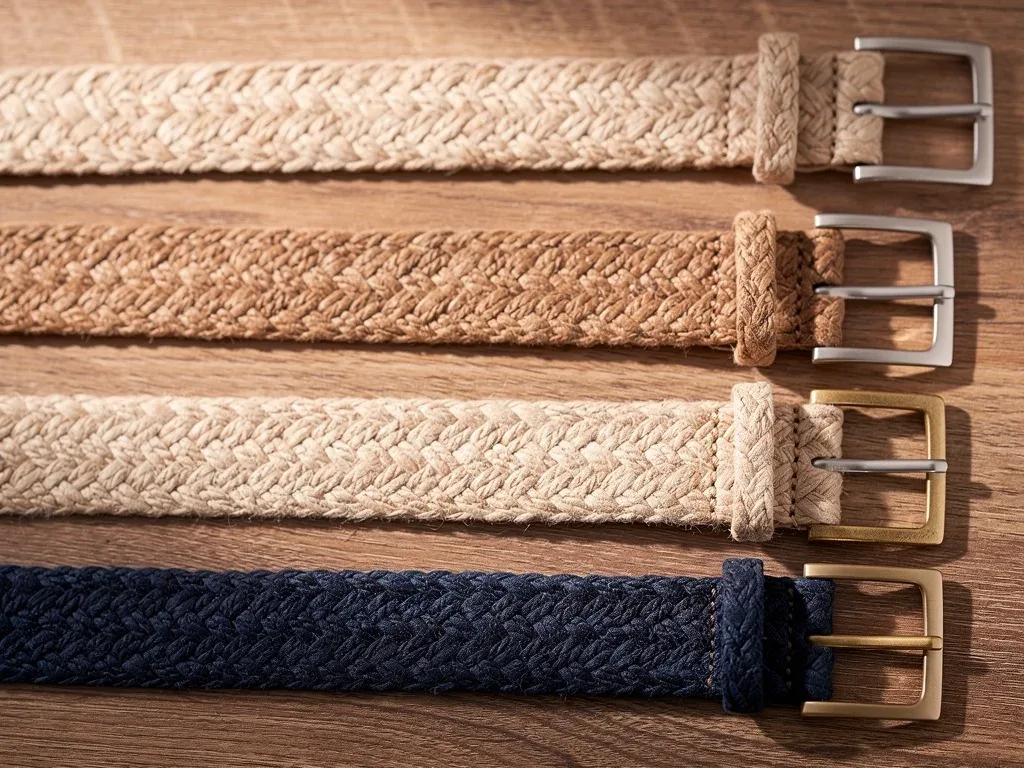
Braided and woven belts are ideal for pairing with chinos, linen trousers, or even casual dresses, offering a softer alternative to rigid leather styles. Their inherent flexibility makes them comfortable for all-day wear, adapting to your body’s movements. By choosing well-constructed pieces made from durable materials, you can ensure these stylish accessories remain a go-to in your casual wardrobe for many years.
The practicality of canvas web belts
Canvas web belts are the epitome of casual practicality, offering a rugged yet stylish alternative to traditional leather. Known for their durability, affordability, and straightforward design, these belts have long been a favorite for outdoor enthusiasts, military personnel, and anyone seeking a no-fuss accessory. Their robust construction makes them highly resistant to wear and tear, standing up to demanding use.
Typically made from strong cotton canvas or synthetic blends, web belts are incredibly versatile and can withstand various environmental conditions. They are often characterized by their simple, often military-style, buckle mechanisms that are easy to adjust and secure. This simplicity contributes to their longevity, as there are fewer moving parts to break or wear out compared to more ornate buckles.
Choosing durable canvas and buckle types
The longevity of a canvas web belt hinges on the quality of its material and the robustness of its buckle. High-density cotton canvas or a durable synthetic blend like nylon offers excellent resistance to abrasion, fading, and stretching. Look for a thick, tightly woven fabric that feels substantial to the touch, as this indicates superior quality and a longer lifespan.
- High-density cotton canvas: Breathable, strong, and classic aesthetic.
- Nylon web: Extremely durable, water-resistant, ideal for outdoor activities.
- Polyester web: Good strength, colorfastness, and resistance to stretching.
- Military-style buckles: Simple, strong, often made of metal for durability.
Buckle types for web belts typically include military-style clamp buckles, D-ring buckles, or slide buckles. Military-style buckles, often made from solid metal, provide a secure grip and are highly durable. D-ring buckles offer easy adjustment and a relaxed look, while slide buckles provide infinite adjustability. Ensure the buckle is made from a sturdy, corrosion-resistant metal to prevent premature failure. The method of attaching the buckle to the webbing is also crucial; strong stitching or a secure crimp will prevent separation over time.
Canvas web belts are perfect for casual outfits, complementing jeans, shorts, and cargo pants effortlessly. Their utilitarian aesthetic adds a touch of rugged charm, making them suitable for everyday wear, hiking, or even light work. With proper care and selection of quality materials, a canvas web belt can provide years of dependable service, proving that practicality and style can indeed go hand-in-hand.
The understated elegance of D-ring belts
D-ring belts, characterized by their distinctive double D-shaped rings that secure the strap, offer a minimalist and effortlessly chic approach to casual styling. Unlike traditional buckle belts, D-ring designs provide a clean, uncluttered look that is both modern and timeless. Their simple mechanism allows for easy adjustment and a comfortable fit, making them a popular choice for those who value both aesthetics and practicality in their accessories.
Often crafted from durable materials such as cotton webbing, canvas, or even supple leather, D-ring belts are incredibly versatile. They can seamlessly transition from a relaxed weekend ensemble to a slightly more polished casual outfit. The absence of a bulky buckle makes them particularly comfortable under clothing or when sitting for extended periods, adding to their appeal as an everyday belt.
Material choices and their effect on D-ring belt longevity
The durability of a D-ring belt largely depends on the quality of the webbing and the rings themselves. For webbing, heavy-duty cotton canvas or nylon are excellent choices, offering resistance to stretching, fading, and abrasion. These materials maintain their integrity even with frequent use, ensuring the belt retains its shape and supportive function over time.
- Heavy-duty cotton webbing: Classic look, good durability, and natural feel.
- Nylon webbing: Superior strength, water-resistant, and ideal for active wear.
- Polyester webbing: Excellent color retention and resistance to wear.
- Solid metal D-rings: Essential for strength and preventing bending or breaking.
The D-rings, typically made from metal, are crucial components. Look for solid brass, stainless steel, or sturdy alloy rings that are welded or cast, rather than simply bent. This ensures they can withstand tension without deforming or breaking. The finish on the rings, whether polished or matte, should be durable and resistant to chipping or flaking, maintaining the belt’s overall aesthetic.
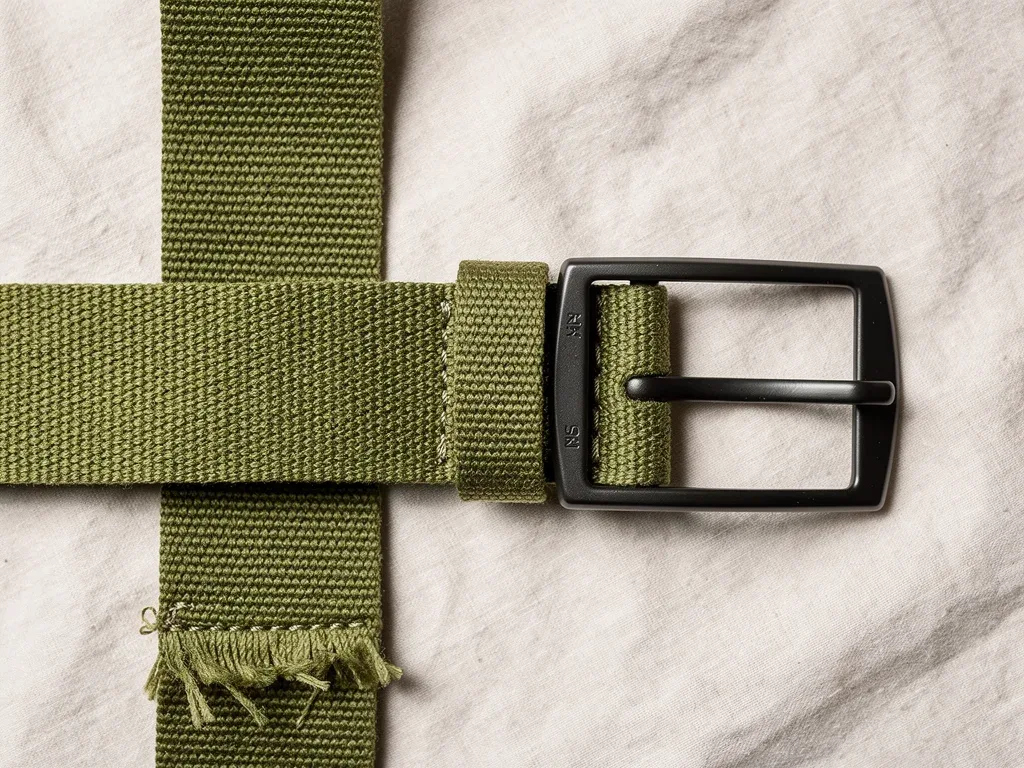
D-ring belts are excellent for cinching oversized shirts, defining the waist of a dress, or simply holding up trousers with a clean, unassuming style. Their simple design allows them to blend effortlessly with a variety of casual garments without overpowering the outfit. By focusing on quality materials and construction, a D-ring belt can become a long-lasting, versatile addition to any casual wardrobe, offering both functional support and subtle elegance.
The comfort and adaptability of elastic stretch belts
Elastic stretch belts represent the pinnacle of comfort and adaptability in casual wear. Their inherent flexibility allows them to move with the wearer, providing unparalleled comfort throughout the day, regardless of activity levels. This makes them an ideal choice for anyone seeking a belt that offers support without restriction, perfectly blending functionality with a relaxed aesthetic.
Constructed from woven elastic fibers, often blended with cotton or synthetic materials, these belts conform to the body’s contours, ensuring a snug yet comfortable fit. The stretch factor also means they can accommodate slight fluctuations in waist size, making them incredibly forgiving and versatile. They are particularly well-suited for active lifestyles, travel, or simply for those days when comfort is paramount.
Ensuring longevity in elastic belt construction
While comfort is a primary benefit, ensuring the longevity of an elastic stretch belt requires attention to its construction and materials. The quality of the elastic fibers is paramount; high-grade elastic will resist stretching out and losing its shape over time. Look for a dense, tightly woven elastic that springs back quickly when stretched, indicating good elasticity retention.
- High-grade elastic fibers: Essential for retaining stretch and shape.
- Reinforced stitching: Prevents fraying and improves overall durability.
- Sturdy buckle attachment: Ensures the buckle remains securely fastened.
- Solid metal buckles: Resists wear and provides a reliable closure.
The ends of the belt, where the buckle and tip are attached, should be reinforced with sturdy stitching or leather accents to prevent fraying and ensure a secure connection. The buckle itself should be robust and well-integrated. While some elastic belts feature simple pin buckles, others might use D-rings or even magnetic closures. Regardless of the type, a solid metal buckle is preferable for its durability and resistance to breakage.
Elastic stretch belts are perfect for pairing with shorts, chinos, and even casual trousers, offering a relaxed yet refined look. They are particularly useful for tucking in shirts, as they provide a smooth, flexible line without digging into the waist. By choosing a well-made elastic belt, you gain a versatile accessory that prioritizes comfort without sacrificing style, serving as a reliable companion for years of casual wear.
Maintenance and care for extended belt life
Ensuring the longevity of your casual belts, regardless of their style, extends beyond initial selection; proper maintenance and care are crucial. A well-cared-for belt not only looks better but also performs its function more effectively and resists premature wear. Simple habits and occasional treatments can significantly prolong the life of these essential accessories, making your investment truly worthwhile.
Different belt materials require specific care routines. Leather belts, for instance, benefit from occasional conditioning to prevent drying and cracking, while canvas and elastic belts might require gentle cleaning to remove dirt and stains. Understanding these nuances is key to preserving their integrity and appearance, keeping them looking new for longer.
Specific care tips for different belt materials
To maximize the lifespan of your belts, tailor your care routine to their specific material. Each type has unique needs that, when addressed, can prevent common issues and maintain their aesthetic appeal.
- Leather belts: Condition every 3-6 months with a quality leather conditioner to prevent drying and cracking. Avoid prolonged exposure to direct sunlight or excessive moisture. Clean with a damp cloth and mild soap if necessary, then allow to air dry completely.
- Braided and woven belts (leather/fabric): For leather braids, follow leather care. For fabric weaves, spot clean with a mild detergent and water. Avoid harsh chemicals that can damage fibers or cause discoloration. Allow to air dry flat to prevent stretching.
- Canvas web belts: Most canvas belts can be hand-washed with mild soap and water. For stubborn stains, a soft brush can be used. Rinse thoroughly and allow to air dry completely, away from direct heat.
- D-ring belts (fabric): Similar to canvas, these can often be hand-washed. Pay attention to the D-rings, ensuring they are dry to prevent rust or tarnishing if they are not stainless steel.
- Elastic stretch belts: Spot clean with a damp cloth and mild soap. Avoid machine washing, which can damage the elastic fibers and cause them to lose their stretch. Air dry flat.
Beyond material-specific care, proper storage is universally important. Store belts rolled up or hung to prevent creases and maintain their shape. Avoid overcrowding, which can lead to friction and wear. By dedicating a small amount of time to these maintenance practices, your essential casual belts will continue to elevate your wardrobe for years, proving their lasting value and durability.
Future trends and sustainable belt choices
As we look towards 2026 and beyond, the world of casual belts is not only about timeless styles but also increasingly influenced by sustainability and innovative materials. Consumers are becoming more conscious of their environmental footprint, driving demand for belts made from recycled, upcycled, or ethically sourced components. This shift not only impacts production methods but also introduces exciting new textures and aesthetics to the market.
The focus on longevity itself is a sustainable practice, as durable items reduce the need for frequent replacements. However, designers are now exploring materials like plant-based leathers, recycled plastics, and organic cottons to create belts that are both stylish and eco-friendly. These advancements promise a future where fashion accessories can be both responsible and fashionable, aligning with evolving consumer values.
Innovations in sustainable belt materials
The quest for more sustainable fashion has led to significant innovations in belt materials, offering exciting alternatives to traditional options. These new materials not only reduce environmental impact but also often provide unique properties such as enhanced durability, water resistance, or lightweight comfort, pushing the boundaries of casual belt design.
- Plant-based leathers: Made from pineapple leaves, mushrooms, or apple peels, offering a cruelty-free and biodegradable alternative to animal leather.
- Recycled plastics (RPET): Utilizing plastic bottles and other waste to create durable and water-resistant webbing, reducing landfill waste.
- Organic cotton and hemp: Grown without harmful pesticides, these natural fibers offer strength and breathability for canvas and woven belts.
- Cork: A natural, renewable, and lightweight material that provides a unique texture and water-resistant properties.
Beyond materials, ethical production practices are gaining prominence. Brands are increasingly transparent about their supply chains, ensuring fair labor and environmentally sound manufacturing. Modular belt designs, allowing for interchangeable buckles or straps, also contribute to sustainability by extending the life of individual components and offering customizable options without needing to purchase an entirely new belt.
The future of casual belts is bright, characterized by a blend of classic aesthetics and forward-thinking sustainability. By embracing these evolving trends and opting for responsibly sourced, durable materials, consumers can make choices that not only enhance their personal style but also contribute positively to the planet. Investing in such innovative and enduring pieces ensures your wardrobe remains relevant and responsible for years to come.
| Key Casual Belt Style | Longevity Highlight |
|---|---|
| Classic Leather | Full-grain leather ages beautifully, developing a unique patina and resisting wear for decades with proper care. |
| Braided/Woven | Infinite adjustability prevents strain on specific holes, extending life; high-quality weaves resist fraying. |
| Canvas Web | Rugged, high-density canvas and simple metal buckles offer exceptional resistance to abrasion and breakage. |
| Elastic Stretch | High-grade elastic retains shape and flexibility, offering long-term comfort and adaptability without stretching out. |
Frequently asked questions about casual belts
What is the most durable casual belt material for longevity?▼Full-grain leather is widely considered the most durable material for casual belts. Its natural structure and thickness allow it to withstand significant wear and tear, developing a rich patina over time rather than breaking down, ensuring decades of use with proper care.
How do I choose the right size for a casual belt?▼For most casual belts, it’s recommended to choose a size that is one or two inches larger than your waist size or pant size. This usually allows for the belt to comfortably fasten at the middle hole, providing flexibility for adjustment.
Can casual belts be worn for semi-formal occasions?▼Some casual belts, particularly those made from high-quality, smooth leather in neutral colors with subtle buckles, can bridge the gap to semi-formal attire. However, braided, canvas, or highly distressed belts are generally best reserved for purely casual settings.
What are the benefits of an elastic stretch belt?▼Elastic stretch belts offer exceptional comfort and adaptability, moving with your body throughout the day. They provide a snug fit without restriction, accommodate minor waist size changes, and are ideal for active lifestyles or extended periods of sitting.
How should I care for my canvas web belt to extend its life?▼To extend the life of a canvas web belt, hand-wash it with mild soap and water, then rinse thoroughly. Allow it to air dry completely, away from direct heat or sunlight. Avoid harsh chemicals that could degrade the fabric or cause fading.
Conclusion
The world of casual belts in 2026 is richer than ever, offering a diverse array of styles that cater to both aesthetic preferences and functional demands. From the enduring elegance of classic leather to the practical versatility of canvas and the unparalleled comfort of elastic stretch, each style brings its unique advantages to the table. By understanding the nuances of material quality, construction, and proper care, consumers can make informed choices that ensure their selected belts not only complement their wardrobes but also stand the test of time. Investing in these essential casual belt styles means embracing accessories that offer longevity, adaptability, and a timeless appeal, proving that true style is built on durability and thoughtful selection.