240 GSM Fabric: Heavyweight vs. Lightweight Knit Shape Retention
Advertisements
240 GSM fabric durability cannot be predicted from fabric weight alone, because garments with the same grams-per-square-meter rating can behave very differently after repeated washing.
Fiber composition, yarn quality, knit structure, finishing, garment construction and laundering conditions all influence shrinkage, stretching, pilling and long-term shape retention.
That means a 240 GSM heavyweight tee is not automatically more durable than every softer knit, and meaningful comparisons require controlled testing rather than assumptions based on GSM.
What 240 GSM Actually Means
GSM stands for grams per square meter and describes how much a square meter of a textile weighs under defined measurement conditions.
A 240 GSM fabric generally feels more substantial than many lighter T-shirt fabrics, but weight does not reveal exactly how tightly the fabric was knitted.
Two fabrics can therefore share the same 240 GSM specification while using different fibers, yarn sizes, structures and finishing processes.
GSM Is Not a Direct Durability Rating
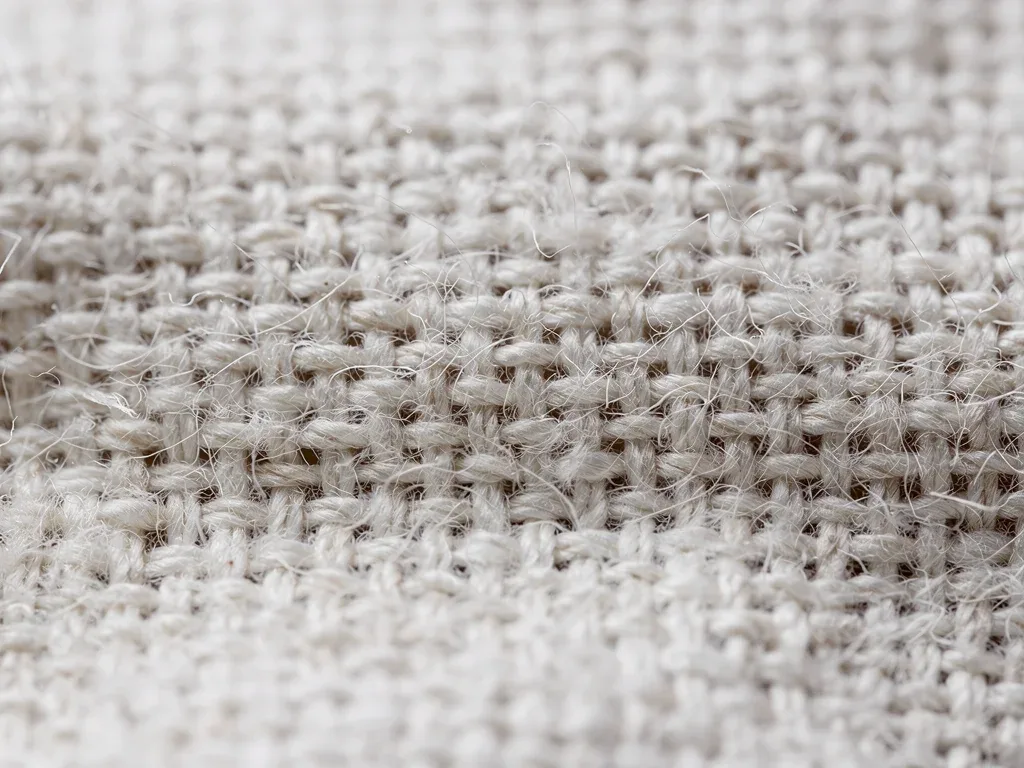
A higher GSM can create a thicker or more substantial hand, but it does not independently measure resistance to shrinkage, abrasion or pilling.
A well-engineered lighter fabric can outperform a heavier poorly constructed fabric in certain durability tests despite containing less material per square meter.
Consumers should therefore treat GSM as one specification among several rather than as a universal score for garment quality.
Why “Heavyweight” and “Lightweight” Can Be Misleading
Describing two different 240 GSM fabrics as heavyweight and lightweight can create confusion because both technically have the same measured mass per area.
One may feel heavier because it is compact and firm, while another can feel softer or more fluid because of yarn selection and knit construction.
Perceived weight and physical GSM are related but are not interchangeable terms when comparing textile performance scientifically.
Fabric Hand Changes How Weight Is Perceived
A dense cotton jersey can feel rigid and substantial because the loops are compact and the surface has relatively little drape.
A softer knit of identical GSM can feel lighter because the yarn, finishing and structure allow it to bend and conform more easily.
This difference in hand does not by itself prove that either textile will retain its dimensions better after repeated laundering.
There Is No Verified 20-Wash Study Behind the Claim
The original comparison describes independent textile analysts testing heavyweight and lightweight 240 GSM fabrics through 20 identical wash cycles.
However, no laboratory, report, test standard, fabric specification, sample size or publicly accessible dataset is identified to support those measurements.
Specific claims such as 2.5% shrinkage or “moderate pilling” should therefore not be presented as verified findings from a completed study.
Controlled Testing Requires More Information
A meaningful wash study should identify fiber composition, yarn construction, knit type, finishing treatments and dimensions before testing begins.
It should also specify the washing procedure, detergent, load, drying method, number of specimens and method used to measure dimensional change.
Without those details, readers cannot reproduce the experiment or determine whether the claimed differences came from construction, materials or laundering conditions.
How Dimensional Change Is Actually Tested
Textile laboratories use standardized procedures to evaluate how fabrics or completed garments change dimensions after specified washing and drying treatments.
ISO 5077 provides a recognized method for determining dimensional change after an appropriate combination of standardized washing and drying procedures.
The standard focuses on measured dimensional change rather than assuming that a certain GSM or garment category will produce a particular shrinkage percentage.
Shrinkage Should Be Measured From Marked Dimensions
Before laundering, reference measurements are established on the textile or garment so dimensions can be compared after the specified treatment.
The percentage change shows whether the material became shorter, longer, narrower or wider relative to its original dimensions.
This objective approach is much more reliable than visually deciding that one T-shirt “seems to hold its shape better.”
Twenty Washes Can Be Useful but Need a Protocol
Repeated laundering can reveal changes that do not appear after a single cycle, including gradual relaxation, distortion and deterioration of surface appearance.
However, simply saying that garments were washed 20 times does not make the comparison standardized or scientifically meaningful.
The outcome depends heavily on temperature, agitation, detergent, drying method, cycle duration and how garments are conditioned between measurements.
Home Laundering Can Produce Different Results
Domestic washing machines vary in mechanical action, water volume, cycle programming and spin speed, while dryers differ in temperature control and airflow.
Detergent chemistry, load size and water hardness can introduce additional variation between households even when users select similar settings.
Laboratory methods reduce these variables so performance differences are more likely to reflect the textile itself rather than inconsistent laundering.
Knit Structure Strongly Influences Shape Retention
Knitted textiles are built from interconnected loops, and the geometry of those loops affects stretch, recovery, dimensional stability and drape.
Single jersey, interlock, rib and other structures can behave differently despite being made from similar yarn and having the same GSM.
Construction therefore provides much more useful information than simply labeling a fabric heavyweight or lightweight.
Denser Is Not Always Automatically Better
A compact structure can resist some forms of distortion because the loops have less freedom to move under mechanical stress.
However, excessive tightness, poor finishing or unstable yarn can still produce unwanted shrinkage or surface deterioration during laundering.
The most stable garment results from compatible fiber, yarn, knit density, finishing and sewing rather than density alone.
Fiber Composition Matters
Cotton, polyester, regenerated cellulosic fibers and elastane respond differently to moisture, heat, mechanical action and repeated stretching.
Even two fabrics described simply as cotton can perform differently because cotton quality, staple length, yarn spinning and finishing are not identical.
Any serious comparison of 240 GSM fabric durability must therefore disclose the composition of every sample tested.
Cotton Can Experience Dimensional Change
Cotton fabrics can shrink or relax after laundering as stresses introduced during spinning, knitting and finishing are released.
Manufacturers can reduce expected dimensional change through processes such as compacting and other finishing treatments before garments reach consumers.
This means two 100% cotton 240 GSM T-shirts can behave differently even when their fiber labels appear identical.
Yarn Quality Also Changes Performance
Yarn construction affects textile strength, surface smoothness and the amount of loose fiber available to form fuzz or pills.
Fiber length, yarn count, twist level and spinning system can all influence the appearance and durability of a finished knit.
That is why a GSM number cannot communicate enough information to predict how the surface will look after months of wear.
Longer Fibers Can Help Create Smoother Yarns
Longer staple fibers generally allow yarn manufacturers to produce smoother yarn structures with fewer protruding fiber ends under suitable spinning conditions.
That can influence surface appearance and abrasion behavior, although fiber length alone does not guarantee that a garment will never pill.
Finishing, friction and fabric construction continue to influence what happens to the surface during actual wear and laundering.
Pilling Requires Separate Evaluation
Pilling occurs when fibers work out of the textile surface, become entangled and form small balls or clusters through rubbing and wear.
ASTM D3512/D3512M provides a laboratory method for evaluating pilling resistance and related surface changes using a random tumble pilling tester.
The method applies to woven and knitted apparel fabrics, illustrating that pilling is a performance characteristic requiring its own testing procedure.
Pilling Depends on Many Variables
ASTM specifically notes that pilling is complex and can be affected by fiber type, blends, fiber dimensions, yarn construction and fabric structure.
Finishing treatments and the way garments are worn and cleaned can also change the amount and appearance of pilling.
A claim that one generic 240 GSM category always pills less than another is therefore too broad without controlled comparative data.
Laboratory Pilling Scores Are Not Exact Wear Predictions
Controlled tests help compare materials under repeatable conditions, but actual garments experience friction differently depending on the wearer and activity.
Underarms, side seams and areas contacting bags or outer layers can receive considerably more abrasion than other sections of the same T-shirt.
ASTM itself cautions that real-world pilling can vary with conditions of use and individual wearers.
Pilling Is Often Rated Visually
Under the ASTM random tumble method, tested specimens are compared with visual standards representing different degrees of surface change.
The rating scale ranges from high resistance with little or no visible pilling toward progressively more severe surface deterioration.
This is more meaningful than unsupported descriptions such as “light” or “moderate” pilling when the evaluation method is never identified.
Stretch and Recovery Are Different From Shrinkage
A garment can shrink after washing and still recover well during wear, while another garment may maintain length but develop stretched necklines or cuffs.
Dimensional stability and elastic recovery therefore describe related but different aspects of garment performance.
Evaluating both gives a better picture of shape retention than reporting one overall shrinkage percentage.
Elastane Can Improve Recovery in Some Knits
A small elastane content can improve recovery when the fabric is engineered to stretch and return toward its original dimensions.
That does not automatically make the garment more durable because elastane can also be affected by excessive heat and unsuitable laundering.
Composition and care instructions should be considered together when comparing a stretch knit with a pure cotton garment.
Garment Construction Can Affect Shape Retention
A durable fabric can still produce a poor garment when collars, seams and hems are not engineered to withstand repeated wear and laundering.
Neck rib construction, seam type, stitching quality and reinforcement all influence whether a T-shirt retains a clean silhouette over time.
Comparing complete garments therefore requires examining more than the fabric panel used in the body.
Collars Often Reveal Quality Differences First
Neck openings are repeatedly stretched when the garment is put on, removed and washed, making recovery particularly important in this area.
A poorly constructed rib collar can become distorted even when the body fabric maintains acceptable dimensions after repeated washing.
Consumers seeking durable casual apparel should therefore inspect collar construction as well as fabric weight.
Finishing Can Change Wash Performance
Textile finishing can alter dimensional stability, surface feel, appearance and behavior after laundering without changing the nominal GSM specification dramatically.
Processes can be used to control shrinkage, soften the hand or modify how fibers behave when exposed to moisture and mechanical action.
This makes finishing history another hidden variable when two fabrics with identical composition and weight appear to perform differently.
Pre-Shrunk Does Not Mean Zero Shrinkage
A pre-shrinking or compacting process is intended to reduce dimensional changes that might otherwise occur during later laundering.
It does not guarantee that a finished garment will remain mathematically identical after every wash and drying cycle.
Consumers should still follow the care label because temperature and drying conditions can influence the remaining dimensional change.
Washing Temperature Influences Textile Stress
Hotter washing conditions can expose fibers, dyes, finishes and garment components to more thermal stress than cooler laundering.
The actual effect varies by textile, so the manufacturer's care label remains more reliable than a universal recommendation for every 240 GSM product.
When longevity is the priority, avoiding unnecessarily harsh washing conditions can help reduce cumulative stress on many casual garments.
Care Labels Should Guide the Process
A garment manufacturer can account for the textile composition, dye system, trim and construction when establishing recommended laundering instructions.
Following those instructions creates a better chance of maintaining expected dimensions and appearance than applying one routine to every garment.
This becomes particularly important for mixed-fiber knits whose components may respond differently to temperature and agitation.
Drying Can Have a Major Effect
Drying exposes garments to combinations of heat, tumbling, weight and tension that can influence shrinkage and distortion after the wash itself.
High-temperature tumble drying can create different outcomes from line drying, flat drying or low-temperature machine drying.
A meaningful 20-cycle comparison must therefore standardize drying as carefully as the washing stage.
Hanging Wet Knits Can Cause Distortion
Water adds weight to a garment, and hanging a saturated flexible knit can place tension on shoulders and other unsupported sections.
Some care labels consequently recommend reshaping or drying flat for garments whose structures are more vulnerable to stretching.
The appropriate method depends on the specific textile rather than a blanket rule that air drying is always superior.
There Is No Universal Heavyweight Winner
A dense 240 GSM cotton tee may perform extremely well, but the available evidence does not establish that every heavyweight construction beats every softer 240 GSM knit.
A stable engineered blend or carefully finished knit can outperform a poorly made heavy jersey in shrinkage, recovery or surface appearance.
The correct conclusion is that construction matters substantially, not that one marketing category automatically wins after exactly 20 washes.
Compare Specifications, Not Labels
When possible, look beyond descriptions such as heavyweight, premium, relaxed knit or luxury cotton because these terms are not standardized durability ratings.
Fiber composition, GSM, knit structure, shrinkage specifications and care requirements provide more useful information for predicting performance.
Brands that disclose these details make it easier for consumers to compare casual clothing on meaningful characteristics.
How Consumers Can Evaluate a 240 GSM T-Shirt
Start by confirming fiber composition and whether the brand provides expected dimensional change after laundering rather than focusing exclusively on weight.
Inspect the collar, seams and hems for consistent construction and consider whether the fabric feels stable enough for the intended fit.
For online purchases, detailed specifications and transparent care information can be more informative than adjectives describing the fabric as premium or durable.
Fit Expectations Matter
A structured boxy T-shirt depends on dimensional stability differently from a relaxed garment intentionally designed to drape and move with the body.
A softer knit is not necessarily defective because it feels fluid, and a rigid heavyweight jersey is not automatically appropriate for every garment.
The best material is the one whose construction matches the intended silhouette and expected pattern of use.
Manufacturers Should Test Dimensional Stability
Brands seeking durability claims should test finished fabrics or garments under controlled laundering conditions before publishing quantitative performance promises.
Testing should use representative production samples because yarn, finishing and manufacturing variation can alter results between development and final production.
Results become more credible when the brand identifies the test method, cycle conditions and performance threshold used.
One Sample Is Not Enough
Testing multiple specimens allows manufacturers to see whether dimensional behavior is consistent rather than relying on one unusually stable garment.
Production lots can vary slightly in knitting tension, finishing and material characteristics even when they share the same product specification.
Quality programs should therefore evaluate variation as well as average performance when setting garment standards.
Pilling Should Also Be Tested Separately
Dimensional stability does not tell a manufacturer whether the surface will remain visually clean after friction and repeated wear.
A garment can maintain its measurements while developing substantial fuzz or pills, reducing perceived quality despite good shape retention.
Separate pilling and surface-change testing can therefore complement wash dimensional testing rather than being replaced by it.
Durability Is a Collection of Properties
Consumers often use the word durability to describe shrinkage, abrasion, pilling, seam strength, color retention and general appearance simultaneously.
Textile laboratories separate these properties because each requires different methods and can produce different rankings among the same fabrics.
A credible 240 GSM fabric durability assessment should specify exactly which performance characteristics are being compared.
Color Retention Is Not Determined by GSM
Colorfastness depends on fiber chemistry, dye or pigment system, processing and laundering conditions rather than simply how many grams the textile weighs.
Two 240 GSM tees can therefore display dramatically different fading even when their structural fabrics perform similarly in dimensional testing.
The original claim of “excellent color retention” across unspecified samples cannot be generalized to the entire 240 GSM category.
Dark Garments May Show Change More Clearly
Surface abrasion and fading can become visually obvious on saturated dark colors because exposed or abraded fibers create greater contrast.
That does not necessarily mean the textile has become structurally weaker, although appearance may still influence how long consumers continue wearing it.
Durability discussions should therefore distinguish visual aging from mechanical failure rather than treating them as the same property.
Longer Garment Life Can Reduce Replacement Frequency
A garment that maintains acceptable fit and appearance through more wear cycles may need replacement less frequently than one that deteriorates quickly.
This makes durability relevant to consumers interested in maximizing the value of casual-wear purchases.
However, sustainability claims should consider the full product lifecycle rather than assuming a heavier fabric is automatically environmentally preferable.
More Material Is Not Automatically More Sustainable
A heavier textile uses more material per square meter than a lighter one made from the same fiber under otherwise similar conditions.
If that added material produces substantially longer useful life, the tradeoff may be worthwhile, but durability needs actual evidence.
Material sourcing, manufacturing, laundering and how long the consumer wears the garment all contribute to its broader environmental impact.
Fabric Blends Can Change Shape Recovery
Manufacturers sometimes combine cotton with polyester, elastane or regenerated fibers to adjust recovery, moisture behavior, softness or dimensional characteristics.
A blend can perform differently from pure cotton even when both textiles are manufactured to the same 240 GSM specification.
This makes composition essential information when comparing casual and athleisure fabrics.
Blends Require Their Own Testing
Adding a small percentage of stretch fiber may improve recovery but can also create different care requirements from a standard cotton jersey.
Polyester can change drying behavior, strength and surface characteristics without guaranteeing better performance in every durability category.
Brands should therefore validate each construction rather than assuming a particular blend automatically solves shrinkage or pilling.
What a Proper 20-Wash Comparison Would Require
A defensible experiment would begin with clearly identified fabrics that genuinely share the same measured GSM while differing in specified construction variables.
Multiple garments would be measured, washed and dried according to a repeatable protocol, with dimensions recorded at consistent intervals.
Pilling, visual appearance and seam performance would be assessed separately using defined methods instead of combined into one subjective durability score.
The Results Would Apply to Those Samples
Even a well-run comparison would show how the tested materials performed rather than proving a universal law about every 240 GSM T-shirt.
Different mills, yarns and finishes could produce a different ranking while remaining within the same nominal weight category.
Responsible reporting should therefore describe sample-specific findings and avoid converting them into unsupported industry-wide rules.
240 GSM Fabric Durability at a Glance
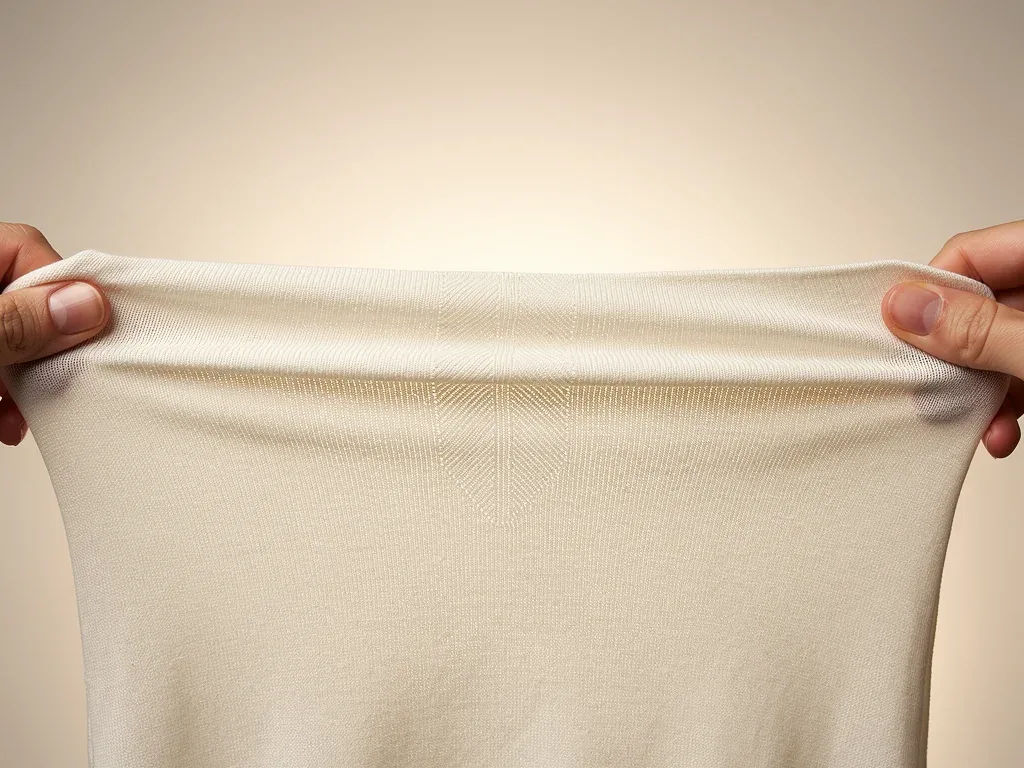
240 GSM fabric durability is determined by a combination of material, construction, finishing, garment engineering and care rather than GSM by itself.
Dense structures can offer excellent stability, but softer or more elastic constructions can also perform well when fibers and finishing are engineered appropriately.
The table below separates useful indicators from claims that cannot be inferred simply from a 240 GSM label.
Use Measured Performance When Available
Standardized testing gives buyers and manufacturers stronger evidence than marketing labels such as heavyweight, premium or long-lasting.
Dimensional change, pilling, colorfastness and seam performance should be evaluated independently when those characteristics matter to the product.
Without test data, the most defensible conclusion is that 240 GSM describes weight while the remaining construction details determine actual performance.
Factor | What It Actually Tells You |
|---|---|
240 GSM | Fabric mass per square meter, not a complete durability rating. |
Knit Structure | Influences stretch, recovery, drape and dimensional stability. |
Fiber and Yarn | Affect strength, surface behavior, recovery and pilling tendency. |
Finishing | Can alter shrinkage, hand feel and dimensional performance. |
ISO 5077 Testing | Provides a standardized way to measure dimensional change after washing and drying. |
ASTM Pilling Testing | Evaluates propensity for pills and related surface changes under defined conditions. |
Frequently Asked Questions About 240 GSM Fabric
What does 240 GSM mean?
It means one square meter of the fabric has a mass of approximately 240 grams under the applicable measurement conditions.
Does 240 GSM mean a T-shirt is durable?
Not automatically. Durability also depends on fiber, yarn, knit structure, finishing, garment construction and care.
Do heavyweight tees always retain shape better?
No universal evidence supports that conclusion; a well-engineered softer knit can outperform a poorly constructed dense fabric.
Was a verified 20-wash study found supporting the original figures?
No identifiable study was provided supporting the specific 2.5% shrinkage, pilling levels or universal heavyweight advantage stated in the original article.
How is shrinkage tested professionally?
Methods such as ISO 5077 determine dimensional change after textiles undergo specified washing and drying procedures.
How is pilling evaluated?
Laboratory methods such as ASTM D3512/D3512M assess pilling and related surface changes under standardized test conditions.
Can two 240 GSM cotton fabrics behave differently?
Yes. Yarn construction, cotton characteristics, knit density and finishing can create substantial performance differences despite identical GSM and fiber labels.
Does elastane improve shape retention?
It can improve stretch recovery in appropriately engineered fabrics, but performance depends on construction, percentage used and laundering conditions.
Does cold washing always prevent shrinkage?
No. Cooler conditions can reduce some stresses, but dimensional change also depends on textile construction and the manufacturer's recommended care procedure.
What should I look for in a durable 240 GSM tee?
Look beyond GSM at composition, knit stability, collar and seam construction, expected shrinkage, finishing and clear care instructions.
Conclusion
240 GSM fabric durability cannot be reduced to a claim that heavyweight tees universally hold their shape better than softer knits after exactly 20 washes.
Standardized textile methods show why dimensional stability and pilling must be tested directly, while fiber, yarn, knit construction and finishing explain why equal-GSM fabrics behave differently.
For consumers and manufacturers, the most reliable approach is to use verified performance data and detailed fabric specifications instead of treating GSM or heavyweight labeling as proof of durability.