5-Minute Morning Routine: Cohesive Casual Outfits with Texture Stacking
Advertisements
The 5-minute morning routine offers a simple way to build cohesive casual outfits by combining familiar garments with complementary textures.
The 5-Minute Morning Routine: How to Assemble Cohesive Casual Outfits Using Texture Stacking focuses on using fabric contrast, layering, and a limited color palette to simplify daily dressing.
Rather than following a strict fashion formula, the method provides a practical framework for creating outfits that feel intentional without requiring a long decision process.
Unlocking Effortless Style with Texture Stacking
Texture stacking outfits use fabrics with different visual and tactile qualities to create depth without relying on bold prints or complicated styling.
A smooth cotton shirt, textured knit, denim jacket, or leather accessory can each contribute a different surface while still belonging to the same casual look.
This approach can make familiar wardrobe pieces feel more varied and may help reduce the need to constantly add new items.
The Foundation: Understanding Fabric Textures
Successful texture stacking outfits begin with recognizing how fabrics differ in surface, weight, drape, and structure.
Materials such as cotton, denim, linen, wool, corduroy, and leather can create very different effects even when they share similar colors.
Understanding those differences can make it easier to combine existing casual wear in more deliberate ways.
Key Fabric Categories for Texture Stacking
Smoother fabrics can create a clean foundation, while rougher or more structured materials add contrast and visual definition.
Soft fabrics introduce warmth and comfort, especially when used in knits, sweaters, scarves, and other layering pieces.
The goal is not to classify every fabric perfectly, but to notice how different surfaces interact when worn together.
Smooth fabrics: Cotton, silk, and some rayon fabrics can create a clean visual base.
Textured fabrics: Denim, linen, and corduroy can add visible surface contrast.
Soft fabrics: Wool, cashmere, and fleece can introduce warmth and softness.
Structured fabrics: Twill, canvas, and some jackets can give an outfit more shape.
The 5-Minute Morning Routine Blueprint
A short routine works best when outfit decisions follow the same sequence instead of starting from scratch every morning.
Begin with one reliable base piece, then add one contrasting texture and an optional outer layer depending on weather and activity.
Keeping accessories limited and intentional can help the process stay quick while still allowing some variation from day to day.
Step-by-Step Guide to Quick Outfit Assembly
Start with a simple garment that is easy to combine, such as a cotton tee, lightweight knit, button-down shirt, or straightforward pair of trousers.
Add a second piece with a noticeably different surface, such as denim, ribbed knitwear, corduroy, suede, or a textured overshirt.
Finish with outerwear or one accessory only if it improves the balance of the outfit rather than adding unnecessary complexity.
Choose a Base Layer: Start with a simple cotton, knit, or other comfortable foundation.
Add a Mid-Layer: Introduce contrast with denim, ribbing, corduroy, or another texture.
Select Outerwear: Add a jacket or coat only when needed for weather or structure.
Accessorize Selectively: Use one or two textured accessories to complete the look.
Strategic Layering for Visual Interest
Strategic layering gives texture stacking outfits more depth by allowing several materials to appear within the same silhouette.
The effect works best when each layer remains visible enough to contribute without making the outfit feel bulky or overly complicated.
Layering can also be functional, allowing pieces to be added or removed as temperature and activity levels change.
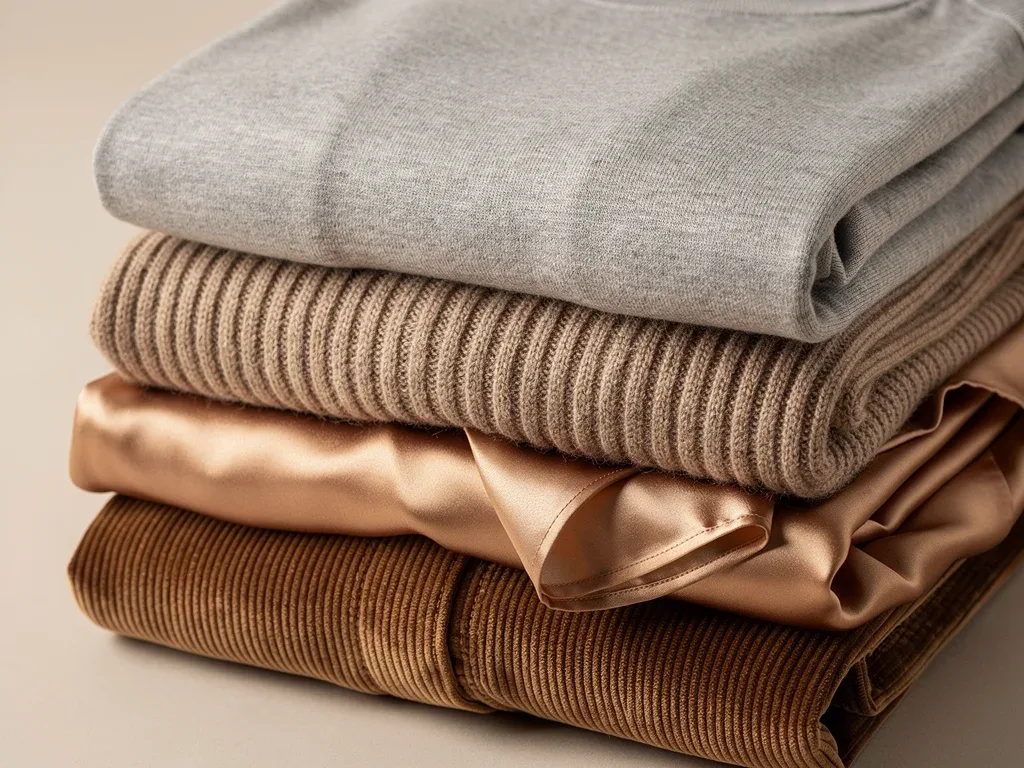
Mixing Textures for Dynamic Looks
A smooth blouse or shirt can pair well with a heavier knit and denim because each piece contributes a distinct visual surface.
Another simple combination is a fine knit with a crisp cotton shirt and a corduroy or twill jacket for additional structure.
For casual style, two or three contrasting textures are often enough to create interest without making the outfit feel overly styled.
Color Palettes and Texture: A Harmonious Blend
Color and texture work together, so a restrained palette can make fabric differences easier to notice.
Neutral, monochromatic, or closely related colors often provide a simple backdrop for knit, denim, leather, linen, or other textured materials.
Brighter colors can still be used, but limiting them to one focal piece can help preserve overall cohesion.
Choosing Colors to Enhance Texture
Neutral colors such as black, gray, beige, navy, and white are flexible because they allow different fabrics to combine easily.
Earth tones can work particularly well with natural-looking textures such as linen, suede, denim, wool, or canvas.
Deeper colors can add visual richness when paired with matte or soft fabrics, especially during cooler seasons.
Neutrals: Black, gray, beige, navy, and white provide an easy foundation.
Earth Tones: Brown, olive, rust, and muted blue pair naturally with textured fabrics.
Deeper Colors: Burgundy, forest green, and navy can add depth without overwhelming the look.
Accessorizing: The Final Touch for Cohesion
Accessories can add another texture without requiring an additional full clothing layer.
Belts, bags, scarves, watches, jewelry, and footwear can introduce leather, woven fibers, metal, or smooth fabric in a controlled way.
The most cohesive outfits usually use accessories to support the main garments rather than compete with them.
Integrating Textured Accessories
A silk scarf can create contrast against denim, wool, or a heavier knit while remaining visually lightweight.
Leather belts or bags can add structure and help connect softer garments with more rugged or tailored pieces.
Jewelry made from metal, stone, wood, or other materials can introduce subtle surface variation without changing the main silhouette.
Maintaining Your Textured Wardrobe
Different fabrics require different care, and proper maintenance helps preserve the appearance and feel that make texture stacking effective.
Garment labels should remain the primary source for washing, drying, ironing, and storage instructions because fabric blends can behave differently.
Consistent care can also extend garment life, supporting a more practical and intentional wardrobe.
Care Tips for Various Textures
Wool and cashmere often benefit from gentle washing and flat drying, but exact instructions vary by garment construction and blend.
Denim and linen are generally durable, though washing temperature and drying method can affect fading, shrinkage, and surface texture.
Silk can be more delicate, so the care label should be followed closely rather than assuming that every silk garment requires the same treatment.
Wool and Cashmere: Follow the care label and avoid unnecessary heat or aggressive agitation.
Denim: Washing inside out can help reduce visible fading.
Silk: Use the garment instructions because some pieces require specialized cleaning.
Linen: Expect natural wrinkling and follow temperature guidance to reduce shrinkage.
Embracing Personal Style with Texture
The 5-minute routine works best as a flexible system rather than a set of rigid styling rules.
Some people may prefer minimal combinations, while others may enjoy more contrast through knitwear, denim, leather, or layered accessories.
The purpose is to make casual wear easier to assemble while keeping the result consistent with personal comfort and taste.
Build Around What You Already Wear
A practical starting point is identifying the garments you already reach for most often and noting their textures.
From there, add contrasting pieces that work with those staples rather than building an entirely separate wardrobe for texture stacking.
This can make daily styling faster and help ensure that new purchases actually complement existing clothing.
Preparing the Night Before
A five-minute routine becomes easier when a few decisions are made before the morning begins.
Checking the weather, expected activities, and any dress requirements can narrow the available options immediately.
Even choosing just the base garment in advance can significantly reduce the number of decisions required after waking up.
Organize for Faster Decisions
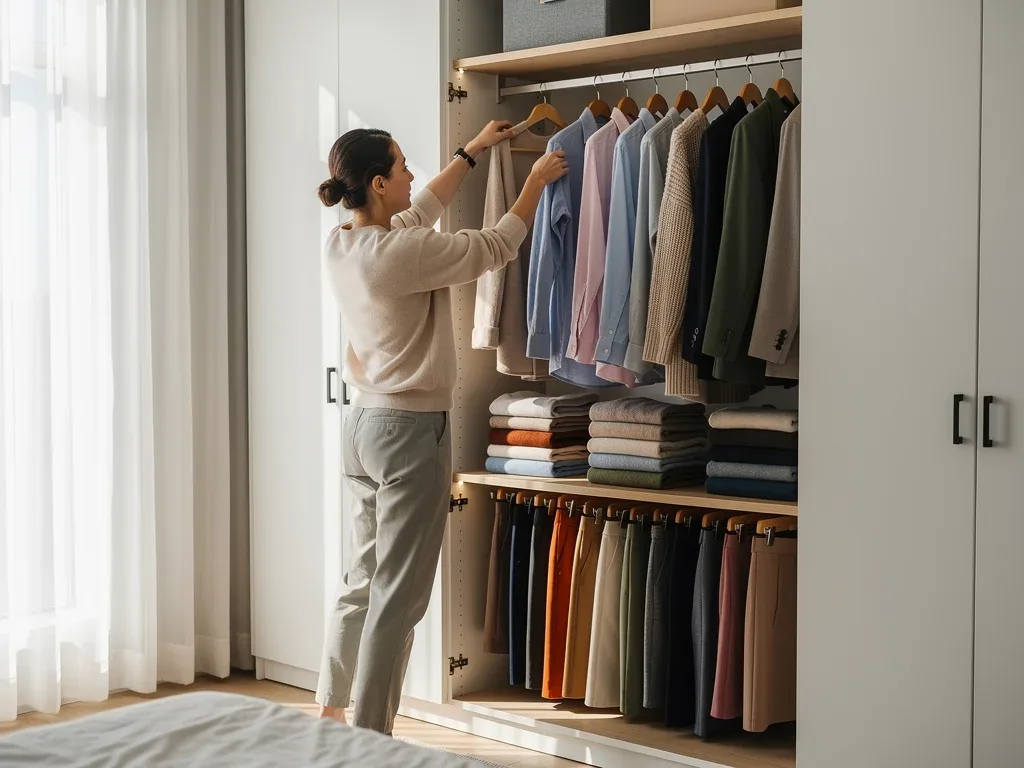
Wardrobes do not need to be organized literally by texture, but keeping frequently paired items near each other can save time.
Visible, accessible basics make it easier to begin with a reliable foundation before adding more distinctive layers.
A small group of dependable combinations can also serve as a backup when there is no time to experiment.
Avoiding Common Texture Stacking Mistakes
Combining too many heavy or highly textured garments can make an outfit feel visually crowded and physically uncomfortable.
Another common issue is adding multiple statement pieces that compete instead of supporting one another.
A simple solution is to choose one dominant texture and use the remaining pieces as quieter supporting elements.
Keep the Silhouette Balanced
Texture should work with proportion, because thick layers can visually add volume even when the colors are understated.
If the top half of an outfit is heavily layered, simpler trousers or a cleaner shoe can help maintain balance.
The same principle works in reverse when textured trousers, skirts, or statement footwear already provide most of the visual interest.
Using Footwear as Part of the Texture Mix
Footwear can reinforce the outfit's texture without requiring another clothing layer.
Canvas sneakers, smooth leather shoes, suede footwear, or textured boots each create a different visual finish.
Choosing shoes that repeat or complement another material can help connect the entire outfit more naturally.
Keep Comfort Part of the Decision
A quick morning routine is more useful when the outfit remains comfortable for the actual activities of the day.
Footwear should therefore be selected for walking, weather, and duration of wear rather than texture alone.
A visually cohesive outfit is more practical when all of its components support both appearance and everyday use.
Key Aspect | Brief Description |
|---|---|
Efficiency | Uses a repeatable sequence to reduce morning outfit decisions. |
Style Depth | Adds visual interest through contrasting fabric surfaces and layers. |
Wardrobe Versatility | Creates new combinations from garments already in regular rotation. |
Personal Expression | Allows different levels of texture based on comfort and individual style. |
Frequently Asked Questions About Texture Stacking Outfits
What is texture stacking in casual outfits? ▼
Texture stacking means combining fabrics with visibly different surfaces, such as cotton, denim, knitwear, leather, or corduroy, to add depth to an otherwise simple outfit.
How can I implement texture stacking into my 5-minute morning routine? ▼
Choose one base garment, add one contrasting texture, and finish with optional outerwear or an accessory. Preparing one or two elements the night before can make the routine faster.
What are good texture combinations for beginners? ▼
Easy combinations include cotton with denim, fine knitwear with corduroy, or a simple shirt with a textured jacket. Two contrasting textures are usually enough to begin.
Does color play a role in texture stacking outfits? ▼
Yes. Neutral or closely related colors can make different textures easier to combine, while one contrasting color can be used as a focal point.
How do accessories fit into texture stacking? ▼
Accessories can introduce leather, woven materials, metal, silk, or other surfaces without adding another full garment, making them useful finishing elements.
Perspectives on Modern Casual Dressing
The emphasis on texture stacking outfits reflects a practical way to make everyday casual dressing feel more intentional without becoming complicated.
Its value comes from combining familiar pieces differently, simplifying decisions, and using texture to create variety within a relatively small wardrobe.
A five-minute routine is most effective when it remains adaptable, comfortable, and aligned with personal style rather than treated as a fixed fashion rule.