Practical Sunglass Care: 4 Steps for 18-Month Longevity
Advertisements
Implementing a simple yet effective 4-step sunglass care routine is crucial for preventing scratches, preserving lens clarity, and significantly extending the lifespan of your favorite eyewear by more than 18 months, ensuring optimal performance and appearance.
Your sunglasses are more than just a fashion statement; they are essential protection for your eyes against harmful UV rays. Adopting a diligent sunglass care routine is key to maintaining their optical clarity, preventing unsightly scratches, and ultimately extending their functional life by 18 months or even longer. This comprehensive guide will walk you through practical solutions to keep your eyewear in pristine condition.
understanding the enemies of your sunglasses
Before diving into specific care techniques, it’s vital to understand what commonly damages sunglasses. Knowing the culprits helps you avoid situations that lead to scratches, smudges, and structural wear. Environmental factors and improper handling are the primary adversaries.
common causes of damage
Many everyday habits and conditions contribute to the deterioration of your sunglasses. From quick fixes to long-term neglect, these factors can significantly impact their performance and appearance.
- Abrasive surfaces: Placing sunglasses lens-down on rough tables, car dashboards, or even in a bag without a case can lead to immediate scratching.
- Improper cleaning materials: Using clothing, paper towels, or tissues to clean lenses can introduce micro-scratches due to their coarse fibers.
- Extreme temperatures: Leaving sunglasses in a hot car or near a heat source can warp plastic frames and damage lens coatings.
- Chemical exposure: Contact with certain chemicals, like bug spray, sunscreen, or household cleaners, can degrade lens coatings and frame materials.
Understanding these common pitfalls is the first step toward effective sunglass care. By being mindful of where and how you handle your eyewear, you can prevent a significant portion of potential damage, setting the stage for a longer lifespan.
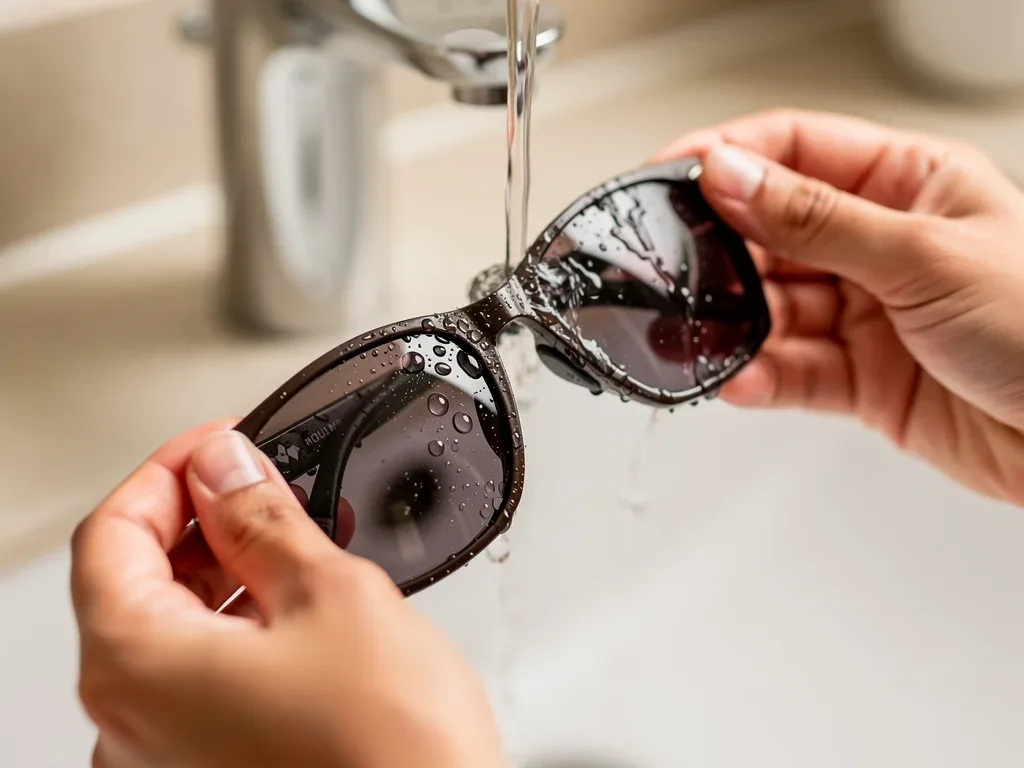
step 1: the gentle rinse – removing loose debris
The very first and often overlooked step in any effective sunglass care routine is a gentle rinse. This crucial action prepares your lenses for cleaning by removing abrasive particles that could cause scratches if wiped directly. Skipping this step is a common mistake that leads to irreversible damage.
When you rinse your sunglasses, you’re not just washing away visible dirt; you’re dislodging microscopic dust, sand, and other airborne debris that act like sandpaper when rubbed against the lens surface. This simple preventative measure is fundamental to maintaining the integrity of your lenses and preserving their optical clarity over time.
how to properly rinse your sunglasses
The rinsing process is straightforward but requires attention to detail to be effective. Using the right water temperature and avoiding harsh chemicals are key components of this initial step.
- Use lukewarm water: Cold water might not be as effective in dislodging oils and grime, while hot water can potentially damage lens coatings or warp plastic frames. Lukewarm water is ideal for a gentle yet thorough rinse.
- Avoid harsh soaps: Do not use dish soap, hand soap, or other household cleaners during this initial rinse, as they can strip away protective coatings or leave residues. The goal here is purely mechanical removal of loose particles with water.
- Rinse thoroughly: Hold your sunglasses under a slow, steady stream of water, ensuring both sides of the lenses and the frame are adequately rinsed. Gently shake off excess water before proceeding to the next step.
By effectively rinsing your sunglasses, you create a safe canvas for the next cleaning stages. This foundational step is not just about cleanliness; it’s about safeguarding your investment and ensuring your vision remains unobstructed by preventable scratches.
step 2: deep cleaning with specialized solutions
Once loose debris is removed, the next step in your sunglass care routine involves a deeper clean to tackle smudges, fingerprints, and oils. This requires a proper cleaning solution designed specifically for eyewear. Using the wrong product can be counterproductive, potentially harming lens coatings or leaving streaks that impair vision.
The market offers various specialized cleaning solutions, from sprays to pre-moistened wipes. The key is to choose products that are alcohol-free and ammonia-free, as these harsh chemicals are known to degrade anti-reflective, anti-scratch, and UV protection coatings. Opting for a gentle, pH-neutral formula ensures a thorough clean without compromising your lenses.
choosing and applying your cleaning solution
Selecting the right solution is only half the battle; proper application is equally important to achieve a streak-free finish and protect your eyewear. Always follow the manufacturer’s instructions for the best results.
- Eyeglass cleaning spray: Apply a small amount of spray to both sides of each lens. Ensure the entire surface is lightly coated.
- Microfiber cloth: Use a clean, soft microfiber cloth specifically designed for lenses. These cloths are made of tiny fibers that trap dirt and oil without scratching. Avoid using rough or dirty cloths.
- Gentle wiping motion: Start wiping from the center of the lens outwards in a circular motion. Apply minimal pressure to avoid pushing dirt around or damaging the frame.
This deep cleaning step removes persistent grime that a simple rinse cannot. It restores the optical clarity of your lenses, allowing you to see the world through them as intended. Regular deep cleaning is a cornerstone of extending the life and performance of your sunglasses.
step 3: drying and polishing for pristine clarity
After a thorough clean, the drying and polishing phase is critical for achieving streak-free clarity and preventing water spots. This step elevates your sunglass care routine from merely clean to impeccably clear, ensuring optimal vision and extending the aesthetic appeal of your eyewear.
Improper drying can leave water marks that are just as distracting as smudges. The goal is to gently remove all moisture and buff the lenses to a brilliant shine without reintroducing any dust or oils. This requires a dedicated, clean material that won’t scratch or leave lint behind.
the art of streak-free drying and polishing
Achieving a perfect finish involves using the right tools and techniques. Patience and gentleness are paramount during this stage to avoid undoing the previous cleaning efforts.
- Dedicated microfiber cloth: Always use a fresh, clean microfiber cloth solely for drying and polishing. Wash these cloths regularly to prevent the accumulation of dirt and oils.
- Light, circular motions: With the microfiber cloth, gently wipe the lenses in small, circular motions. Start from the center and work your way to the edges, ensuring every part of the lens is polished.
- Check for smudges: Hold your sunglasses up to a light source to inspect for any remaining smudges or streaks. If necessary, re-apply a small amount of cleaning solution and repeat the drying process.
This final touch ensures your sunglasses are not only clean but also crystal clear, providing maximum visual comfort and protection. A well-polished lens is a testament to a meticulous care routine and contributes significantly to the longevity of your eyewear.
step 4: proper storage – the ultimate protection
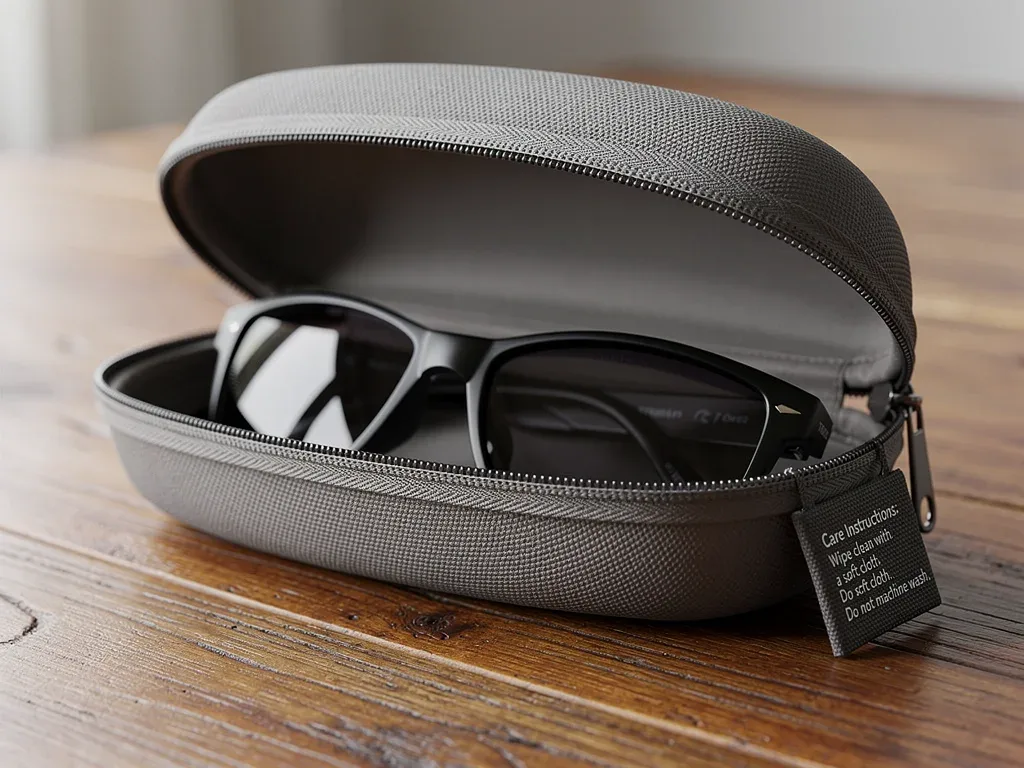
The most effective way to prevent damage between uses is through proper storage. This often-underestimated aspect of a sunglass care routine can make the biggest difference in extending the life of your sunglasses by months, if not years. Protecting them when they’re not on your face is just as important as cleaning them.
Leaving sunglasses loosely in a bag, on a car seat, or simply on a table exposes them to countless risks: scratches from keys or other objects, accidental drops, or even being sat upon. A dedicated storage solution acts as a shield against these everyday hazards, preserving both the lenses and the frame.
choosing and utilizing effective storage options
Various storage options are available, each offering different levels of protection. The best choice depends on your lifestyle and how frequently you use your sunglasses.
- Hard shell case: This is the gold standard for protection. A sturdy hard case prevents crushing, minimizes impact from drops, and keeps dust and debris away from the lenses. Always place your sunglasses inside the case with the lenses facing up.
- Soft pouch/microfiber bag: While not offering crush protection, a soft pouch can prevent scratches when placed inside a larger bag. Many cleaning cloths double as soft pouches, offering a convenient two-in-one solution.
- Avoid leaving them exposed: Never leave your sunglasses on dashboards, car seats, or other open surfaces where they can easily fall, get scratched, or be exposed to extreme temperatures.
By consistently storing your sunglasses in a protective case, you significantly reduce the likelihood of accidental damage, maintaining their pristine condition and extending their lifespan. This simple habit is a cornerstone of responsible sunglass ownership.
advanced tips for extending sunglass longevity
Beyond the fundamental 4-step routine, a few advanced practices can further enhance your sunglass care routine and ensure your eyewear remains in top condition for even longer. These tips focus on preventative measures and understanding the nuances of sunglass materials.
Maintaining the structural integrity of your frames and the specialized coatings on your lenses requires a holistic approach. It’s not just about cleaning, but also about how you handle and treat your sunglasses in various environments. Small adjustments to your habits can yield significant long-term benefits.
proactive measures and material awareness
Being mindful of environmental factors and learning about your specific sunglass materials can help you tailor your care routine more effectively.
- Regular frame inspection: Periodically check screws for tightness and hinges for smooth operation. Loose screws can lead to misaligned frames, while stiff hinges can cause stress on the frame structure.
- Understand lens coatings: Different coatings (anti-reflective, polarized, mirror) require specific care. For example, mirror coatings can be more delicate and prone to scratching, necessitating extra gentle handling.
- Avoid harsh environments: While sunglasses are designed for outdoor use, prolonged exposure to salt water, chlorine, or direct intense sunlight when not being worn can degrade materials. Rinse them thoroughly with fresh water after exposure to corrosive elements.
Incorporating these advanced tips into your routine ensures that every component of your sunglasses, from the lenses to the frames, receives the attention it needs. This detailed approach contributes to maximum durability and performance, allowing you to enjoy your favorite pair for many seasons to come.
the long-term benefits of consistent sunglass care
Adopting and consistently following a comprehensive sunglass care routine offers far more than just aesthetic appeal. The long-term benefits extend to optical performance, economic savings, and environmental responsibility. It transforms your approach to eyewear from a disposable item to a cherished accessory with extended utility.
When you invest in quality sunglasses, you expect them to perform well and last. A proper care regimen ensures that the UV protection remains intact, lens clarity is maintained, and the structural integrity of the frames endures. This proactive approach prevents premature wear and tear, safeguarding your vision and your wallet.
enhanced performance and sustainability
The ripple effects of good sunglass care are evident in various aspects, from personal comfort to broader ecological considerations.
- Optimal vision and eye protection: Clean, scratch-free lenses provide clearer vision and ensure the UV filters continue to protect your eyes effectively. Scratches can distort vision and reduce the efficacy of protective coatings.
- Cost savings: By extending the lifespan of your sunglasses, you reduce the need for frequent replacements, saving money in the long run. Quality eyewear can be a significant investment, and proper care maximizes its return.
- Environmental impact: Choosing to maintain and extend the life of your accessories, rather than constantly replacing them, contributes to reducing waste and promoting more sustainable consumption habits.
Ultimately, a consistent sunglass care routine is an act of responsibility towards your eyes, your finances, and the environment. It ensures that your sunglasses remain a dependable and stylish companion for many adventures, far beyond their typical expected lifespan.
| Key Step | Benefit & Action |
|---|---|
| Gentle Rinse | Removes abrasive particles; prevents scratches during cleaning. Use lukewarm water. |
| Deep Clean | Eliminates smudges and oils; restores clarity. Use specialized, alcohol-free solutions. |
| Dry & Polish | Achieves streak-free finish; prevents water spots. Use a clean, dedicated microfiber cloth. |
| Proper Storage | Protects against physical damage and environmental factors. Always use a hard case. |
frequently asked questions about sunglass care
How often should I clean my sunglasses?▼Ideally, you should clean your sunglasses daily after each use, or whenever you notice smudges, dust, or dirt. A quick rinse and wipe can prevent buildup and protect your lenses from potential damage over time, maintaining optimal clarity.
Can I use my shirt to clean my sunglass lenses?▼No, it is strongly advised against using your shirt or any clothing to clean sunglass lenses. Fabric fibers, especially cotton, can be abrasive and may contain trapped dust particles, which can easily scratch delicate lens coatings, leading to permanent damage.
What kind of cleaning solution is best for sunglasses?▼The best cleaning solutions are those specifically designed for eyewear, typically alcohol-free and ammonia-free. These gentle formulas effectively remove oils and smudges without damaging anti-reflective, UV, or polarized lens coatings, preserving lens integrity and clarity.
Why is a hard case important for sunglass protection?▼A hard case offers superior protection against physical damage such as crushing, bending, or scratching, particularly when sunglasses are stored in bags or vehicles. It acts as a barrier, safeguarding both the lenses and the frame from impacts and pressure, significantly extending their lifespan.
Can extreme temperatures damage my sunglasses?▼Yes, extreme temperatures can severely damage sunglasses. High heat, such as in a hot car, can warp plastic frames and degrade lens coatings, causing them to crack or peel. Similarly, extreme cold can make certain materials brittle. Always store them in mild conditions.
conclusion
Mastering a simple yet effective sunglass care routine is not merely about keeping your shades looking new; it’s about preserving their functionality, protecting your investment, and ensuring optimal eye health. By consistently following the four essential steps—gentle rinsing, deep cleaning with specialized solutions, careful drying and polishing, and diligent storage—you can significantly extend the life of your sunglasses by 18 months or more. This proactive approach not only saves you money on replacements but also ensures your vision remains clear and protected from harmful elements. Embrace these practical solutions, and your favorite pair of sunglasses will continue to serve you well, season after season.