The Anatomy of Perfect Weekend Outerwear: Utility Jacket Comparison
Advertisements
Utility jacket layering combines practical outerwear with flexible styling, making field jackets, chore coats, and work jackets useful for everyday weekend outfits.
Each style offers a different balance of durability, storage, comfort, and structure, allowing wearers to choose according to climate and activity.
Understanding fabrics, fit, pocket design, and seasonal weight makes it easier to build versatile combinations without adding unnecessary bulk.
Understanding the Core of Utility Jackets
Utility jackets are rooted in practical clothing designed to provide protection, storage, and freedom of movement during everyday activities.
Their functional details, including reinforced fabrics and multiple pockets, distinguish them from outerwear designed mainly around visual trends.
These qualities explain why utility jackets remain useful for utility jacket layering across casual, outdoor, and smart-casual wardrobes.
Why Utility Jackets Work for Everyday Wear
Utility jackets generally combine simple silhouettes with functional construction, making them easy to pair with different shirts, sweaters, and trousers.
Their relaxed structure provides enough room for additional layers without creating the excessive volume found in heavier winter outerwear.
This balance makes them particularly practical for weekends when temperature, location, and activity may change throughout the day.
The Essential Elements of Weekend Outerwear
Weekend outerwear should provide comfort and protection while remaining adaptable enough for errands, travel, walks, and informal social plans.
A good layering jacket should accommodate changing temperatures without forcing the wearer to rebuild the entire outfit during the day.
Utility styles are well suited to this role because their practical design combines storage, durability, and relaxed proportions.
Fabric Choices and Durability
Fabric determines how a jacket feels, performs, and responds to repeated wear, making material selection an important part of the decision.
Cotton canvas feels sturdy and traditional, while ripstop nylon generally provides a lighter option with good resistance to tearing.
Heavy twill, denim, and blended fabrics can also work well depending on climate, intended use, and desired level of structure.
Comparing Three Distinct Utility Jackets
Three common options for utility jacket layering are the field jacket, chore coat, and work jacket, each serving a different purpose.
The field jacket emphasizes storage and structure, while the chore coat offers a cleaner silhouette with a more relaxed overall appearance.
The work jacket usually provides the heaviest construction, making it suitable when durability and protection matter more than minimal weight.
The Field Jacket: A Timeless Classic
Field jackets originated from military clothing and typically feature multiple front pockets, durable fabrics, and a moderately structured shape.
Their proportions usually leave enough room for shirts, sweatshirts, or lightweight knitwear without making the overall outfit feel oversized.
This combination of storage and versatility makes the field jacket a dependable choice for practical utility jacket layering.
The Chore Coat: Effortless Style
The chore coat developed from workwear but usually feels softer and less structured than a traditional military-inspired field jacket.
Cotton twill, canvas, and denim are common materials that support its relaxed appearance and easy movement.
Its simple shape works particularly well for casual outfits where comfort and understated styling are more important than technical features.
The Work Jacket: Rugged Resilience
Work jackets prioritize durability through heavier materials, reinforced seams, and straightforward construction intended to tolerate frequent wear.
Modern versions often preserve this rugged character while refining the fit enough to work comfortably in everyday casual wardrobes.
For colder conditions or demanding use, their heavier build can provide more protection than lighter field jackets or chore coats.
Key Features for Optimal Layering
The best utility jacket for layering should provide enough internal space for additional garments without losing its intended overall shape.
A slightly relaxed fit typically works better than a tight cut because it allows sweaters or overshirts to sit comfortably underneath.
Closures, pocket placement, sleeve width, and fabric weight should also match the situations in which the jacket will be worn.
Pockets and Storage Solutions
Pocket design is one of the defining elements of utility jackets and can strongly influence both function and overall appearance.
Field jackets often include several smaller compartments, while chore coats usually rely on larger patch pockets with simpler construction.
Work jackets may add reinforced storage areas designed for repeated use, reflecting their origins in practical occupational clothing.
Material Weight and Seasonal Adaptability
Lightweight fabrics work best during mild weather when the jacket is mainly needed for wind protection and easy layering.
Heavier canvas, denim, or waxed materials offer greater warmth and structure when temperatures fall or weather becomes less predictable.
Choosing the correct weight allows utility jacket layering to remain comfortable across several seasons without creating unnecessary bulk.
Styling Your Utility Jacket for Any Occasion
A utility jacket works naturally with casual fashion because its functional design complements simple everyday clothing.
A basic t-shirt, jeans, and sneakers create an easy combination, while a knit sweater adds warmth without making the outfit complicated.
For a slightly more polished result, pair the jacket with chinos, a collared shirt, and understated boots or leather sneakers.
Building Balanced Layered Outfits
Good layering depends on controlling proportion so that each garment remains visible without making the overall silhouette feel heavy.
Thinner base layers should generally sit underneath heavier mid-layers, allowing the utility jacket to remain the final protective element.
Different textures can add visual interest, especially when cotton, denim, knitwear, or casual wear fabrics are combined carefully.
Maintaining Your Utility Jacket
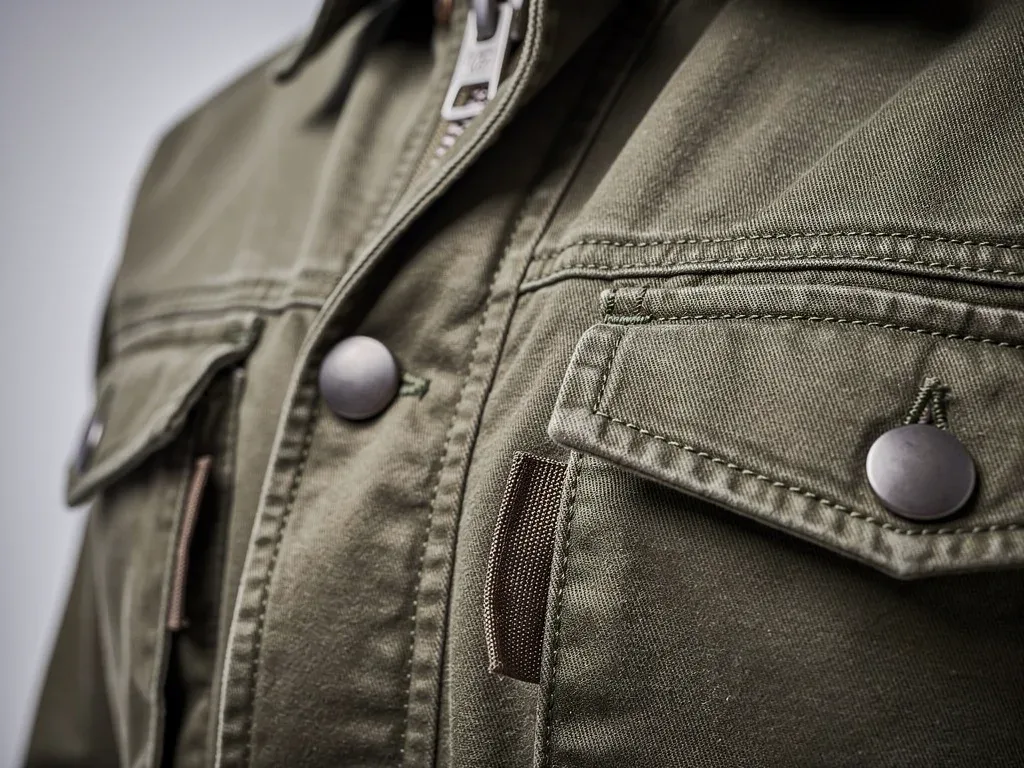
Proper care helps preserve the shape, fabric, and hardware of a utility jacket, especially when it is worn regularly throughout several seasons.
Always check the manufacturer's care instructions because cotton canvas, waxed fabrics, nylon, and denim may require different cleaning methods.
Cleaning only when necessary can also help reduce unnecessary wear while keeping the jacket ready for frequent everyday use.
Cleaning and Storage Tips
Minor stains can often be treated with spot cleaning instead of washing the entire jacket after every period of wear.
When machine washing is permitted, cold water and a gentle cycle can help reduce unnecessary shrinkage or fabric stress.
Allowing the jacket to air dry and storing it on a suitable hanger can help maintain its shape between seasons.
The Long-Term Value of Quality Outerwear
A well-made utility jacket can remain useful for years because its simple design is less dependent on short-lived fashion trends.
Durable fabrics and strong construction also reduce the need for frequent replacement when the jacket is cared for appropriately.
This combination of versatility and longevity can make quality outerwear more practical than repeatedly purchasing lower-durability alternatives.
Why Construction Quality Matters
Seams, zippers, buttons, pocket reinforcement, and fabric density often reveal more about durability than branding or decorative details.
A stronger jacket should maintain its structure after repeated use while allowing natural wear without developing premature structural damage.
Examining these details before purchasing can help identify pieces better suited to long-term utility jacket layering.
Choosing Your Perfect Utility Jacket
The best choice depends on climate, daily activities, preferred fit, storage needs, and the garments already present in your wardrobe.
A field jacket suits structured versatility, while a chore coat favors relaxed styling and a work jacket emphasizes rugged construction.
Evaluating these differences makes it easier to select outerwear that will actually be used rather than simply stored between seasons.
Matching the Jacket to Your Lifestyle
Consider whether you need maximum storage, lightweight adaptability, weather resistance, or heavier protection before comparing individual styles.
Also think about the shirts, sweaters, trousers, and footwear you wear most frequently so the jacket integrates naturally with them.
The right piece should support your casual style while remaining comfortable enough for repeated weekend use.
Field Jacket vs. Chore Coat vs. Work Jacket
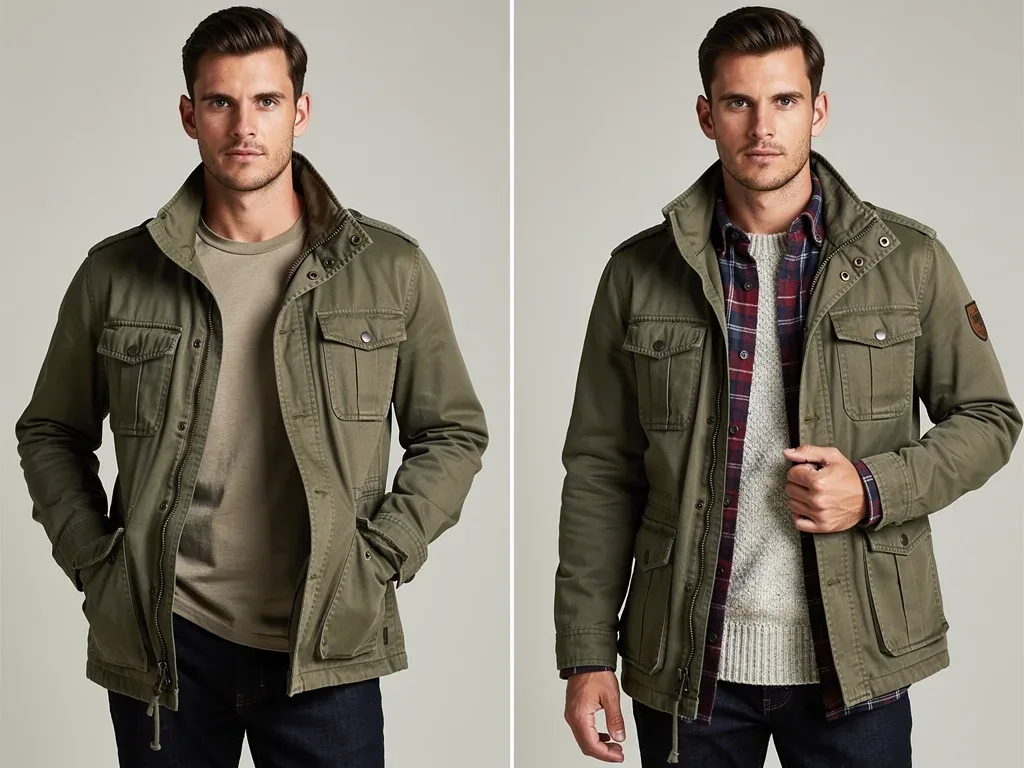
The field jacket provides the strongest combination of traditional utility details, multiple pockets, and adaptable everyday styling.
The chore coat offers a cleaner and softer look, making it particularly effective for relaxed outfits and lightweight seasonal layering.
The work jacket delivers greater toughness and structure, which may appeal most to wearers prioritizing protection and durability.
Which Style Offers the Best Versatility?
A medium-weight field jacket is often the most adaptable option because it balances storage, structure, and room for additional layers.
A chore coat may be preferable for warmer climates or minimalist wardrobes where comfort and visual simplicity take priority.
Work jackets make more sense when durability matters most, particularly for outdoor activities or colder conditions requiring stronger outerwear.
Key Feature | Benefit for Layering |
|---|---|
Durable Fabric | Provides structure and protection during repeated everyday wear. |
Ample Pockets | Keeps small essentials accessible without requiring an additional bag. |
Comfortable Fit | Leaves enough room for shirts, knitwear, or other mid-layers. |
Versatile Style | Works across casual and selected smart-casual outfits. |
Frequently Asked Questions About Utility Jacket Layering
What makes a utility jacket ideal for layering? ▼
Its slightly relaxed fit, durable construction, and functional design usually provide enough space for shirts, sweaters, or lightweight mid-layers.
Which utility jacket works best across several seasons? ▼
A medium-weight field jacket or chore coat can offer useful flexibility because it can be worn alone or layered as temperatures change.
How should I size a utility jacket for layering? ▼
Choose a fit that allows comfortable movement over a light sweater without creating excessive fabric or an unnecessarily oversized silhouette.
Can utility jackets work in formal settings? ▼
They are generally better suited to casual and smart-casual outfits, although cleaner chore coats can work in some relaxed professional environments.
Which fabrics are best for durability? ▼
Cotton canvas, duck canvas, ripstop nylon, heavy twill, denim, and some waxed fabrics can provide strong durability depending on construction.
What This Means
Utility jacket layering works best when fit, material weight, durability, and everyday styling needs are considered together.
Field jackets, chore coats, and work jackets each offer distinct advantages, making the right choice dependent on lifestyle and climate.
A thoughtfully selected jacket can become dependable weekend outerwear that combines practical function with flexible, long-term styling.