Sustainable Jewelry Accessories: New Eco-Certifications for 2026
Advertisements
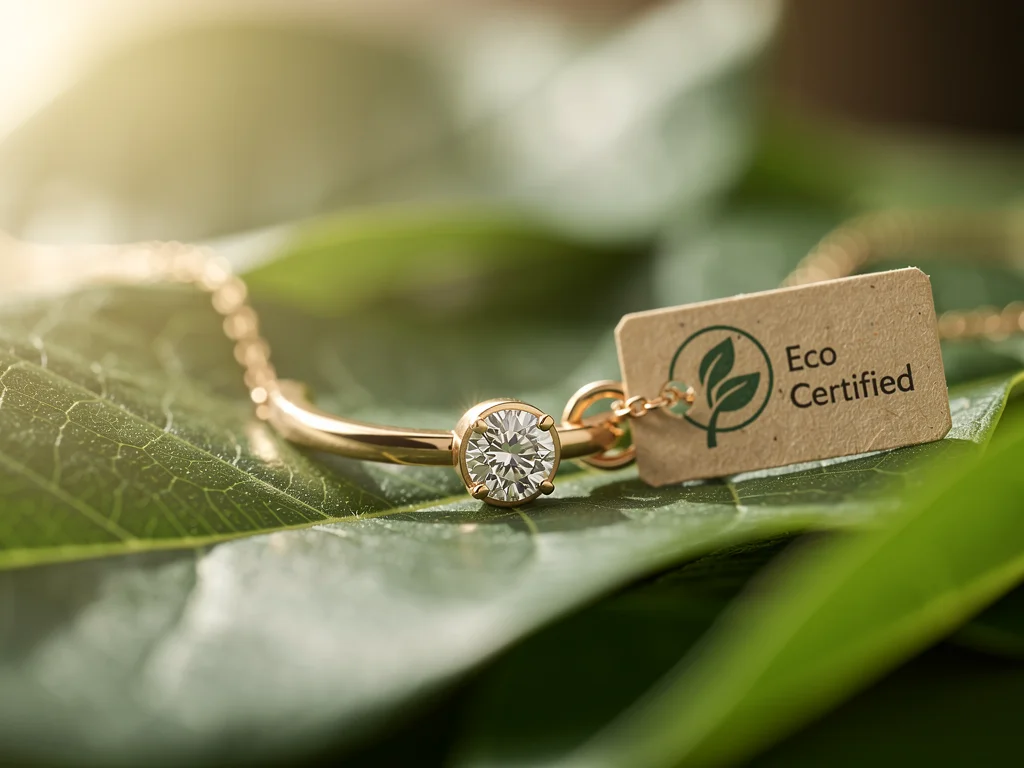
The landscape of sustainable jewelry accessories is evolving rapidly, with new eco-certifications emerging in 2026 that offer greater transparency and assurance for consumers seeking ethical and environmentally responsible options.
Advertisements
The world of fashion is constantly evolving, and with it, consumer awareness regarding ethical and environmental impacts. When it comes to adornments, the demand for truly sustainable jewelry certifications has never been higher, especially as we look towards 2026. This article delves into the recent updates on sustainable jewelry accessories, highlighting the crucial new eco-certifications that conscious consumers should prioritize.
The rise of conscious consumerism in jewelry
Consumers today are more informed and conscientious than ever before, driving a significant shift in the jewelry industry. The allure of a beautiful piece is no longer enough; its provenance, the conditions under which it was made, and its environmental footprint are increasingly scrutinized. This growing demand for transparency and ethical sourcing has spurred innovation and stricter standards within the sector.
This shift isn’t merely a trend; it represents a fundamental change in consumer values. People want to know that their purchases align with their personal ethics, supporting practices that benefit both people and the planet. This means looking beyond traditional aesthetics to understand the entire lifecycle of a jewelry piece, from the mining of raw materials to the manufacturing process and beyond.
Understanding the impact of traditional jewelry production
Traditional jewelry production often carries a heavy environmental and social cost. From destructive mining practices that degrade ecosystems and exploit labor, to the use of harmful chemicals in refining processes, the industry has historically faced significant challenges. Recognizing these issues is the first step towards seeking out more responsible alternatives.
- Environmental Degradation: Mining for precious metals and gemstones can lead to deforestation, soil erosion, water contamination, and habitat destruction.
- Labor Exploitation: Artisanal and small-scale mining (ASM) often involves hazardous working conditions, child labor, and unfair wages, particularly in developing countries.
- Chemical Pollution: The extraction and refinement of metals frequently involve toxic chemicals like mercury and cyanide, which can pollute local water sources and harm communities.
- Carbon Footprint: The energy-intensive processes involved in mining, transportation, and manufacturing contribute significantly to greenhouse gas emissions.
The collective awareness of these impacts has catalyzed the movement towards sustainable jewelry. Brands are now compelled to adopt more ethical practices, and consumers are empowered with information to make choices that reflect their values. This evolving landscape is creating a marketplace where sustainability is not just a niche, but a core expectation.
Evolving landscape of eco-certifications for 2026
As the demand for sustainable jewelry grows, so too does the complexity of navigating the various eco-certifications. For 2026, new and updated certifications are emerging, designed to offer clearer, more stringent guidelines for both manufacturers and consumers. These certifications act as vital third-party verifications, assuring that a product meets specific environmental, social, and ethical standards.
The goal of these evolving certifications is to provide a comprehensive framework that addresses every aspect of the jewelry supply chain. This includes everything from the responsible sourcing of materials to fair labor practices and transparent manufacturing processes. Staying informed about these updates is crucial for anyone committed to making truly sustainable choices.
Key updates in certification standards
Several established certifications are undergoing revisions, while new ones are gaining prominence, each aiming to fill gaps and strengthen accountability. These updates often reflect advancements in technology for traceability, growing scientific understanding of environmental impacts, and evolving social justice standards. Consumers can expect more detailed criteria and broader scopes of assessment in the coming years.
- Enhanced Traceability Requirements: Many certifications are now demanding more robust systems for tracking materials from their origin points to the finished product, often utilizing blockchain technology.
- Broader Environmental Scope: New standards frequently go beyond basic pollution control to include criteria for biodiversity protection, water conservation, and renewable energy use.
- Social Impact Focus: Certifications are increasingly emphasizing fair wages, safe working conditions, community development, and the elimination of child labor across the supply chain.
- Circular Economy Principles: A growing number of certifications are incorporating requirements for recycled materials, repairability, and end-of-life considerations to promote a circular economy.
These developments signify a maturing market where greenwashing is becoming harder to conceal. The new certifications are designed to be more rigorous and comprehensive, offering genuine assurance to consumers who are willing to invest in truly sustainable pieces. Understanding these nuances is key to identifying authentic eco-friendly jewelry.
Spotlight on new eco-certifications for gemstones
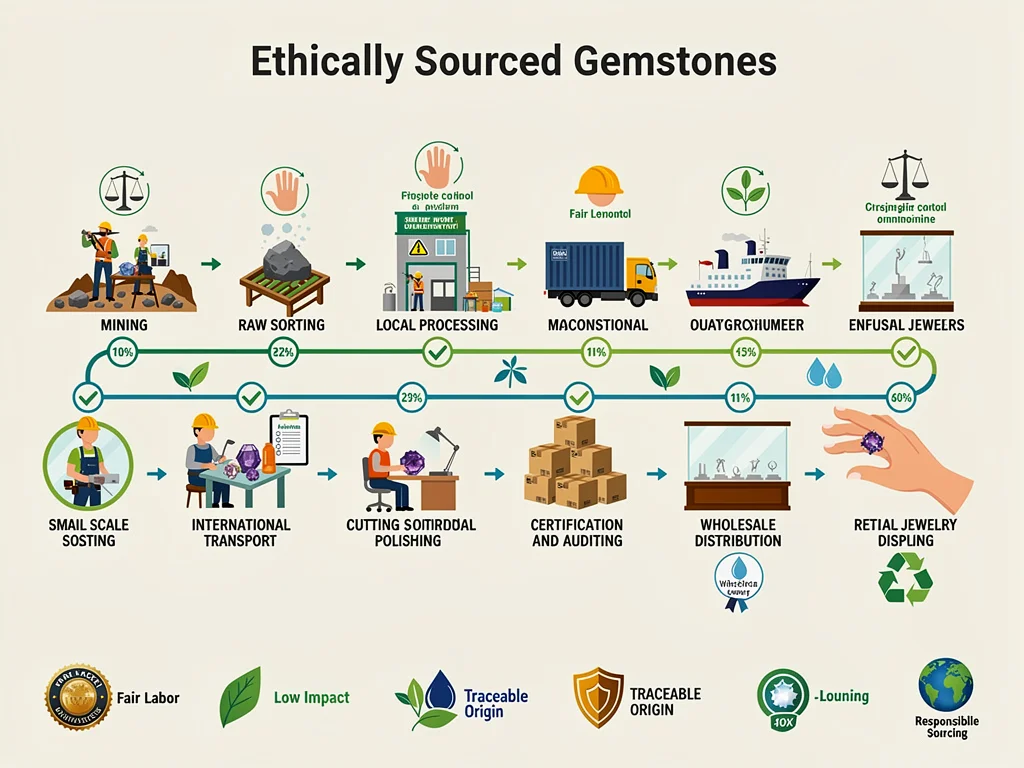
Gemstones, with their diverse origins and often complex supply chains, present unique challenges for sustainability. However, 2026 is seeing the introduction of several promising new eco-certifications specifically tailored to ensure ethical and environmentally responsible sourcing of these precious materials. These certifications aim to bring greater transparency to a traditionally opaque industry.
The focus is not only on preventing conflict minerals but also on ensuring that mining operations respect indigenous rights, minimize environmental damage, and contribute positively to local communities. It’s about moving beyond simply ‘conflict-free’ to ‘fully responsible’ sourcing, covering the entire journey of a gemstone from mine to market.
Emerging standards for responsible gemstone sourcing
New certifications are setting higher benchmarks for gemstone sourcing, often incorporating advanced technologies for verification and traceability. These standards are crucial for ensuring that the beauty of a gemstone isn’t marred by unethical practices. They empower consumers to choose stones that tell a story of responsibility and care.
- Origin Verification through Blockchain: Some new certifications leverage blockchain to create immutable records of a gemstone’s journey, making it virtually impossible to falsify origin or ethical claims.
- Environmental Impact Assessments: Certifications now often require comprehensive environmental impact assessments for mining sites, with ongoing monitoring to ensure adherence to ecological preservation.
- Fair Labor and Community Benefits: Standards are being developed to ensure that mining communities receive fair compensation, safe working conditions, and investments in local infrastructure and education.
- Water Stewardship Programs: Given the water-intensive nature of some mining, new certifications are incorporating strict water management and conservation protocols.
These new certifications represent a significant step forward in making gemstone sourcing truly sustainable. They provide a clear pathway for jewelers to demonstrate their commitment to ethical practices and for consumers to make informed decisions that support a more responsible industry. By prioritizing these certified gemstones, we can collectively drive positive change.
Sustainable metals: verifying recycled and ethically mined materials
Precious metals like gold, silver, and platinum are fundamental to jewelry, but their extraction can have profound environmental and social consequences. The push for sustainable jewelry in 2026 is heavily focused on verifying the origin of these metals, with a strong emphasis on recycled content and responsibly mined alternatives. New certifications are arising to provide robust verification for these claims.
The shift towards recycled metals is particularly impactful, as it significantly reduces the need for new mining, thereby lessening environmental disruption and energy consumption. However, ensuring that recycled claims are legitimate and not merely ‘greenwashing’ requires thorough certification processes. Similarly, for newly mined metals, strict ethical and environmental standards are paramount.
Certifying recycled and artisanal metals
The industry is seeing an increase in certifications that specifically address the provenance and processing of metals. These certifications often distinguish between post-consumer recycled content, which has a higher environmental benefit, and pre-consumer scrap. They also provide frameworks for small-scale artisanal mines to operate responsibly, offering a lifeline to communities while adhering to global standards.
- Certified Recycled Content: New certifications provide audited verification of the percentage of recycled gold, silver, or platinum in a piece, ensuring it meets specific standards for post-consumer material.
- Fairmined and Fairtrade Gold: These certifications continue to be crucial, expanding their reach and refining their standards to support artisanal and small-scale miners by ensuring fair prices, safe conditions, and environmental protection.
- Responsible Jewelry Council (RJC) Updates: The RJC is continually updating its Code of Practices to cover the entire supply chain from mine to retail, including rigorous standards for metal sourcing, human rights, and environmental performance.
- Chemical-Free Processing: Some emerging certifications specifically highlight metals processed without harmful chemicals like mercury or cyanide, promoting safer and cleaner extraction methods.
Verifying the sustainability of metals is a complex but essential part of creating truly ethical jewelry. These new and updated certifications offer consumers the confidence that their purchases contribute to a more responsible and less destructive metal supply chain, whether through recycling or ethical mining practices. Choosing certified metals is a direct way to support these positive changes.
The role of lab-grown diamonds in ethical jewelry
Lab-grown diamonds have emerged as a significant disruptor in the jewelry industry, offering an ethically and environmentally conscious alternative to traditionally mined diamonds. As we approach 2026, new eco-certifications are specifically addressing the production processes of lab-grown diamonds, providing consumers with clear guidance on their sustainability credentials.
These certifications go beyond simply verifying that a diamond was created in a lab. They delve into the energy sources used in their production, the chemical processes involved, and the overall carbon footprint. This ensures that even within the lab-grown segment, there’s a distinction for those produced with the highest environmental and ethical considerations.
Certifying the sustainability of lab-grown diamonds
While all lab-grown diamonds avoid the social and environmental issues associated with traditional mining, their production methods can still vary in terms of sustainability. New certifications aim to differentiate between those produced with renewable energy and minimal environmental impact versus those with a larger carbon footprint. This allows consumers to make an even more nuanced ethical choice.
- Certified Carbon Neutral Production: Some certifications are verifying that the energy used to grow diamonds is offset or comes from renewable sources, resulting in a net-zero carbon footprint.
- Sustainable Laboratory Practices: Certifications now assess the overall environmental management of the laboratory, including waste reduction, water recycling, and responsible chemical handling.
- Traceability and Origin Disclosure: Even for lab-grown diamonds, certifications are providing detailed information about their origin, the specific lab where they were grown, and their unique characteristics.
- Fair Labor in Production Facilities: New standards are also extending to the labor practices within lab-growing facilities, ensuring fair wages and safe working conditions for all employees.
The advent of certifications for lab-grown diamonds marks an important step in the evolution of sustainable jewelry. It provides consumers with greater assurance that their choice of a lab-grown diamond is not only conflict-free but also aligns with the highest environmental standards. These certifications are crucial for driving continuous improvement in the industry.
Beyond materials: ethical manufacturing and supply chain transparency
True sustainability in jewelry extends far beyond the raw materials themselves. The manufacturing processes, labor conditions, and overall transparency of the supply chain are equally critical. In 2026, new eco-certifications are placing a stronger emphasis on these aspects, ensuring that every step of a jewelry piece’s creation adheres to stringent ethical and environmental standards.
Consumers are increasingly looking for brands that can provide a complete narrative of their products, from the initial design to the final polish. This holistic approach to sustainability considers the well-being of artisans, the safety of workshops, and the responsible management of waste and resources throughout the production cycle.
Holistic certifications for responsible production
The latest certifications are moving towards a more comprehensive assessment of jewelry brands, often requiring audits of their entire operational footprint. This includes not just the sourcing of individual components but also the practices within their own manufacturing facilities and those of their partners. Such certifications are vital for building genuine trust with consumers.
- Fair Labor Certifications: Beyond material-specific standards, broader certifications are emerging that audit entire factories for fair wages, safe working environments, reasonable working hours, and the absence of child labor or forced labor.
- Closed-Loop Manufacturing: Certifications are recognizing and promoting brands that implement closed-loop systems, minimizing waste generation and maximizing the reuse and recycling of materials within their own production.
- Chemical Management and Waste Reduction: New standards include strict guidelines for the responsible management of chemicals, reduction of hazardous waste, and proper disposal of byproducts during manufacturing.
- Supply Chain Audits and Transparency: Certifications are demanding greater transparency throughout the entire supply chain, often requiring brands to disclose their suppliers and provide evidence of ethical practices at each stage.
These holistic certifications are crucial for ensuring that a piece of jewelry is not just made from sustainable materials, but is also produced in an ethical and environmentally responsible manner from start to finish. They provide a powerful tool for consumers to identify brands that are genuinely committed to sustainability, fostering a more accountable industry.
How to identify and choose certified sustainable jewelry in 2026
Navigating the expanding world of eco-certifications can seem daunting, but armed with the right knowledge, consumers can confidently identify and choose truly sustainable jewelry in 2026. The key is to look for specific, well-recognized certifications and to understand what each one represents. This empowers you to make purchasing decisions that align with your values.
Beyond simply looking for a logo, it’s beneficial to understand the criteria behind the certification. A little research can go a long way in distinguishing genuine commitment from mere marketing claims. Prioritizing transparency and credible third-party verification will be your best guides in this evolving market.
Tips for making informed sustainable jewelry choices
Making an informed decision about sustainable jewelry involves more than just aesthetics; it’s about understanding the ethical narrative behind each piece. By following a few key tips, you can ensure your purchases contribute to a more responsible and equitable industry. Look for brands that are open about their practices and proud of their certifications.
- Look for Reputable Certifications: Prioritize jewelry carrying well-known and recently updated certifications like Fairmined, Fairtrade Gold, Responsible Jewelry Council (RJC), and new specialized gemstone or lab-grown diamond certifications.
- Research the Certification Body: Understand what each certification truly guarantees. Visit the certification body’s website to learn about their standards, audit processes, and transparency requirements.
- Check for Brand Transparency: Choose brands that are open about their supply chain, manufacturing processes, and the specific certifications they hold. Look for detailed information on their websites.
- Ask Questions: Don’t hesitate to ask jewelers about the origin of their materials, their ethical practices, and the meaning behind any certifications they display. A reputable brand will be happy to provide this information.
By actively seeking out certified sustainable jewelry, you not only acquire a beautiful piece but also support an industry that values environmental protection, fair labor, and ethical sourcing. Your choices as a consumer have a powerful impact, driving the jewelry sector towards a more responsible future. Embrace these new certifications as your guide to conscious luxury.
| Key Update | Brief Description |
|---|---|
| New Gemstone Certifications | Emerging standards with enhanced traceability and environmental impact assessments for responsible gemstone sourcing. |
| Recycled Metal Verification | Rigorously audited certifications ensuring high percentages of post-consumer recycled gold, silver, and platinum. |
| Lab-Grown Diamond Sustainability | Certifications focusing on carbon-neutral production and sustainable laboratory practices for lab-grown diamonds. |
| Holistic Supply Chain Audits | Certifications now encompass fair labor, waste reduction, and full transparency across the entire jewelry manufacturing process. |
Frequently asked questions about sustainable jewelry certifications
The primary benefit is assurance. Certifications provide third-party verification that the jewelry meets specific environmental, social, and ethical standards, ensuring your purchase supports responsible practices and minimizes negative impacts on people and the planet.
New certifications for gemstones often feature more stringent traceability requirements, including blockchain technology, broader environmental impact assessments, and a stronger focus on positive community development, going beyond basic conflict-free claims.
While inherently more ethical than mined diamonds, the sustainability of lab-grown diamonds varies. Look for certifications that verify carbon-neutral production, renewable energy use, and sustainable laboratory practices to ensure the highest environmental standards.
Supply chain transparency is crucial because sustainability encompasses every stage of production, not just raw materials. It ensures fair labor, responsible manufacturing, and ethical practices from the initial sourcing to the final product, preventing hidden abuses.
Consumers play a vital role by demanding certified sustainable products. Their purchasing choices create market pressure, incentivizing brands to adopt ethical and environmentally friendly practices, thus driving positive change across the entire jewelry industry.
Conclusion
The landscape of sustainable jewelry accessories is undergoing a profound transformation, driven by an awakened global consciousness and a collective desire for ethical consumption. As we advance into 2026, the emergence and refinement of new eco-certifications provide an invaluable compass for consumers seeking to make truly responsible choices. These certifications, spanning everything from gemstone sourcing and metal recycling to lab-grown diamond production and holistic manufacturing practices, offer unprecedented levels of transparency and accountability. By prioritizing jewelry adorned with these verified labels, consumers are not merely acquiring beautiful pieces; they are actively investing in a future where luxury and ethics are inextricably linked, fostering an industry that respects both people and the planet. The power to shape a more sustainable jewelry market lies firmly in the hands of informed and discerning buyers.
Related Posts: