Sustainable Casual Fashion: 7 Brands for 2026
Advertisements
The current trends in sustainable casual fashion for 2026 highlight a significant industry shift towards eco-conscious materials, ethical production, and circular economy principles, driven by increasing consumer demand for transparent and responsible clothing choices.
Are you ready to explore the future of your wardrobe? The world of fashion is undergoing a profound transformation, and the current trends in sustainable casual fashion for 2026 are setting new benchmarks for style, ethics, and environmental responsibility. As consumers become more aware of their impact, understanding which brands are truly making a difference is more crucial than ever.
The Evolution of Sustainable Casual Fashion
Sustainable casual fashion has transformed from a niche concept into a mainstream movement, reflecting a collective awakening to environmental and social responsibilities. What once might have been seen as a compromise on style or accessibility is now at the forefront of innovation, offering designs that are both aesthetically pleasing and ethically sound. This evolution is not just about using organic cotton; it encompasses a holistic approach to design, production, and consumption that challenges the very foundations of fast fashion.
For brands and consumers alike, 2026 marks a pivotal moment where sustainable practices are no longer optional but expected. The demand for transparency, fair labor practices, and reduced environmental footprints has reshaped supply chains, encouraging companies to rethink everything from material sourcing to end-of-life garment solutions. This shift is creating a vibrant ecosystem of brands dedicated to positive change.
Defining Sustainable Casual Wear
Defining what truly constitutes sustainable casual wear goes beyond simple labels. It involves a multi-faceted evaluation of a garment’s entire lifecycle. From the farming of raw materials to the manufacturing processes, transportation, consumer use, and eventual disposal, every stage contributes to its overall environmental and social impact.
- Material Sourcing: Prioritizing organic, recycled, or innovative bio-based fabrics.
- Ethical Production: Ensuring fair wages, safe working conditions, and no child labor.
- Resource Efficiency: Minimizing water, energy, and chemical use during manufacturing.
- Durability and Longevity: Designing clothes to last, reducing the need for frequent replacement.
- Circular Economy: Initiatives for repair, resale, recycling, and upcycling garments.
These elements combine to create a product that is not only stylish and comfortable but also aligns with the values of a conscious consumer. The industry’s focus is on creating durable, timeless pieces that resist fleeting trends, thereby combating overconsumption and waste.
Consumer Demand Driving Change
The empowered consumer is arguably the most significant catalyst for change in the fashion industry. With access to more information and a growing awareness of global issues, individuals are increasingly using their purchasing power to support brands that align with their values. Social media and advocacy groups play a crucial role in amplifying these voices, holding brands accountable and fostering a community around sustainable choices.
This heightened demand for ethical and eco-friendly products has forced even traditional fast fashion giants to re-evaluate their practices, albeit sometimes superficially. However, the genuine impact comes from brands that embed sustainability into their core philosophy, not just as a marketing ploy. The collective shift in consumer mindset is pushing for systemic change, making sustainable casual fashion not just a trend, but a necessity for the future.
Ultimately, the evolution of sustainable casual fashion is a testament to shared responsibility. It reflects a growing understanding that our clothing choices have far-reaching consequences, and that true style can and should coexist with ethical and environmental integrity. This movement is fostering a more thoughtful, transparent, and ultimately more resilient fashion industry for 2026 and beyond.
Criteria for Identifying Game-Changing Brands
Identifying truly game-changing brands in the realm of sustainable casual fashion requires a rigorous evaluation beyond mere claims. In an industry increasingly prone to ‘greenwashing,’ discerning genuine commitment from marketing rhetoric is paramount. Our criteria focus on verifiable impact, transparency, innovation, and a holistic approach to sustainability that encompasses the entire lifecycle of a garment.
A brand’s commitment to sustainability should be evident not just in its end product, but in its entire operational ethos. This includes everything from the raw materials chosen, the manufacturing processes employed, the labor conditions in their factories, to their efforts in reducing waste and promoting circularity. The brands highlighted in the current trends in sustainable casual fashion for 2026 excel in these areas, setting a benchmark for others to follow.
Transparency and Certifications
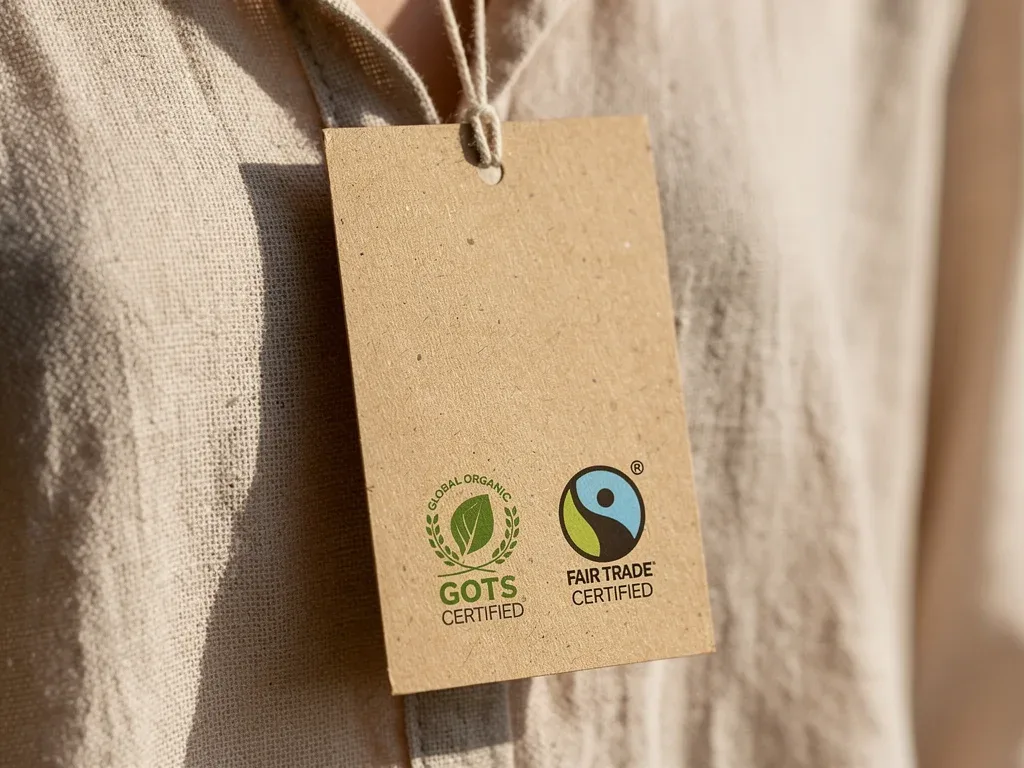
Transparency is the cornerstone of trust in sustainable fashion. Brands that openly share their supply chains, from fiber origin to factory locations and labor practices, demonstrate a genuine commitment to accountability. This openness allows consumers to make informed decisions and verify ethical claims. Certifications from reputable third-party organizations further validate these efforts, providing independent assurance that environmental and social standards are met.
- GOTS (Global Organic Textile Standard): Ensures organic status of textiles from harvesting of raw materials through environmentally and socially responsible manufacturing.
- Fair Trade Certified: Guarantees fair wages, safe working conditions, and community development.
- Bluesign: Eliminates harmful substances from the beginning of the manufacturing process, setting standards for environmentally friendly and safe production.
- OEKO-TEX Standard 100: Certifies that textiles are free from harmful substances.
These certifications are not just badges; they represent rigorous audits and continuous improvement, offering consumers peace of mind that their purchases support responsible practices. Brands that actively seek and maintain these certifications are often leaders in the sustainable movement, pushing for higher industry standards.

Innovative Materials and Production
Innovation in materials and production methods is crucial for reducing fashion’s environmental footprint. Game-changing brands are constantly exploring alternatives to conventional resource-intensive fabrics and processes. This includes developing new bio-based materials, utilizing advanced recycling technologies, and implementing manufacturing techniques that minimize water and energy consumption.
Beyond materials, innovative production also encompasses practices like zero-waste pattern cutting, on-demand manufacturing to reduce overproduction, and investing in renewable energy sources for factories. These advancements not only reduce environmental impact but often lead to higher quality, more durable garments. The brands leading the current trends in sustainable casual fashion are often at the forefront of these material and production breakthroughs, demonstrating that sustainability can drive innovation rather than hinder it.
Ethical Labor Practices and Circularity
A truly sustainable brand prioritizes the well-being of its workers at every stage of the supply chain. This means ensuring fair wages, safe and healthy working conditions, reasonable hours, and respecting the rights of all employees. Ethical labor practices are non-negotiable and reflect a brand’s deep commitment to social responsibility.
Furthermore, an embrace of circularity distinguishes truly forward-thinking brands. The traditional linear ‘take-make-dispose’ model of fashion is inherently unsustainable. Circular practices aim to keep resources in use for as long as possible, extracting maximum value from them while in use, then recovering and regenerating products and materials at the end of each service life. This includes designing for durability, offering repair services, facilitating take-back programs for recycling, and even exploring rental or resale models. Brands that integrate these principles are actively working towards a regenerative fashion economy.
By adhering to these stringent criteria, we can confidently identify brands that are not just participating in sustainable fashion, but are actively shaping its future. Their dedication to transparency, innovation, ethical labor, and circularity makes them true leaders in the casual wear space for 2026.
Brand Spotlight 1: Patagonia – The Outdoor Pioneer
Patagonia has long been a beacon in the sustainable apparel industry, extending its influence far beyond outdoor gear into everyday casual wear. Their commitment to environmental activism and ethical production is deeply embedded in their corporate identity, making them a consistent leader in the current trends in sustainable casual fashion. For decades, Patagonia has demonstrated that environmental responsibility and commercial success are not mutually exclusive but can, in fact, reinforce each other.
Their approach is holistic, encompassing everything from material innovation to supply chain transparency and consumer engagement. Patagonia’s ‘Worn Wear’ program, which encourages repair, reuse, and recycling of their garments, stands as a testament to their dedication to circularity, actively challenging the fast fashion model.
Key Sustainable Innovations
Patagonia’s innovative use of sustainable materials is a cornerstone of their brand. They were pioneers in using recycled polyester from plastic bottles and organic cotton, setting industry standards long before these practices became widespread. Their commitment extends to exploring cutting-edge materials that minimize environmental impact.
- Recycled Materials: Extensive use of recycled polyester, nylon, and wool in their product lines.
- Organic Cotton: A long-standing commitment to 100% organic cotton, supporting healthier ecosystems.
- Fair Trade Certified™ Sewing: A significant portion of their products are made in Fair Trade Certified™ factories, ensuring fair wages and improved working conditions.
- Traceable Down: Guarantees that the down used comes from birds that were not force-fed or live-plucked.
These innovations highlight Patagonia’s continuous effort to reduce its environmental footprint while maintaining high-performance and durable products, a crucial aspect of sustainable casual fashion.
Environmental and Social Impact
Beyond materials, Patagonia’s impact is profound. They donate 1% of their sales to environmental organizations, have invested in renewable energy, and actively campaign for environmental protection. Their transparency reports detail their supply chain and environmental footprint, offering a level of openness rarely seen in the industry.
The brand also champions worker welfare, ensuring fair labor practices across its global supply chain. Their involvement in social justice issues and advocacy for environmental policies further solidifies their position as a brand that genuinely makes a difference. Patagonia’s influence on the current trends in sustainable casual fashion is undeniable, proving that a brand can be both profitable and a powerful force for good in the world.
Patagonia continues to inspire and lead, offering durable, high-quality casual wear that stands the test of time, both in style and sustainability. Their commitment to repairing and extending the life of garments directly combats the throwaway culture, making them a true leader for 2026.
Brand Spotlight 2: Everlane – Radical Transparency
Everlane burst onto the fashion scene with a revolutionary concept: radical transparency. This commitment to showing customers the true cost of their products – from materials and labor to transportation – has resonated deeply with a generation of conscious consumers seeking honesty and ethics in their purchases. Their focus on timeless designs and high-quality basics makes them a prominent player in the current trends in sustainable casual fashion.
Everlane believes that consumers have a right to know what goes into making their clothes, and at what cost. This philosophy has not only earned them a loyal customer base but has also pushed other brands to re-evaluate their own levels of transparency. Their casual wear collections are designed to be staples, emphasizing longevity over fleeting trends.
Transparent Pricing and Ethical Factories
The cornerstone of Everlane’s approach is their transparent pricing model. For every product, they break down the costs associated with materials, labor, transport, and duties, showing the consumer the true cost versus the traditional retail markup. This demystifies pricing and builds trust, allowing customers to understand the value behind their purchase.
Equally important is their rigorous approach to ethical manufacturing. Everlane partners with factories worldwide that demonstrate strong commitments to fair wages, reasonable hours, and environmental practices. They visit these factories regularly, building strong relationships and ensuring compliance with their strict ethical guidelines. Their factory profiles are available on their website, providing unprecedented insight into their supply chain.
Sustainable Materials and Practices
While their initial focus was on transparency, Everlane has steadily increased its commitment to sustainable materials and practices. They have set ambitious goals to eliminate virgin plastic from their supply chain and incorporate more organic and recycled fibers into their collections. This ongoing evolution reflects a brand that listens to its customers and continuously strives for improvement.
- ReNew Collection: Made from recycled plastic bottles, offering outerwear and fleeces.
- Organic Cotton: Increasing the use of certified organic cotton across their denim and casual wear lines.
- Reduced Water Usage: Implementing water-saving techniques in their denim factories.
- Durable Goods: Emphasis on creating high-quality, long-lasting garments to reduce consumption.
Everlane’s dedication to both transparency and tangible sustainable actions positions them as a leading example within the current trends in sustainable casual fashion. They prove that stylish, high-quality casual staples can be produced responsibly, empowering consumers to make informed and ethical choices.
By prioritizing honesty and ethical production, Everlane has carved out a significant niche, demonstrating that a brand can be both financially successful and deeply committed to its social and environmental responsibilities. Their influence continues to grow, inspiring a more accountable fashion industry.
Brand Spotlight 3: Outerknown – Surfing into Sustainability
Founded by professional surfer Kelly Slater, Outerknown embodies a seamless blend of surf culture and unwavering commitment to sustainability, making it a powerful force in the current trends in sustainable casual fashion. Their philosophy is rooted in creating stylish, comfortable, and durable casual wear that respects both people and the planet. Outerknown proves that a laid-back aesthetic can go hand-in-hand with rigorous ethical standards and innovative material choices.
The brand’s origin story is deeply connected to a desire to challenge the conventional practices of the apparel industry, pushing for a more responsible way of doing business. This ethos is reflected in every aspect of their operation, from their fiber choices to their factory partnerships.
Commitment to Circularity and Fair Labor
Outerknown distinguishes itself through its strong emphasis on circularity and its unwavering dedication to fair labor practices. They are one of the few brands that are Fair Trade Certified™ across their entire supply chain, ensuring that every worker involved in making their clothes receives fair wages and works in safe conditions. This commitment extends beyond mere compliance; it’s about fostering community and well-being.
Their approach to circularity is also pioneering. They offer a take-back program for their S.E.A. JEANS, encouraging customers to return worn-out denim for recycling, thus closing the loop on textile waste. This initiative is a testament to their forward-thinking approach in combating fashion’s waste problem.
Innovative Sustainable Materials
Outerknown is a leader in utilizing a diverse range of sustainable and recycled materials, pushing the boundaries of what’s possible in casual apparel. Their material choices are carefully selected to minimize environmental impact without compromising on comfort or style.
- Econyl®: Recycled nylon made from fishing nets and other discarded nylons, used in swimwear and outerwear.
- Organic and Recycled Cotton: Extensive use of both organic cotton and recycled cotton blends in their casual staples.
- Hemp: A highly sustainable fiber requiring less water and pesticides than conventional cotton.
- PFC-Free Water Repellency: Avoiding harmful perfluorinated chemicals in their water-resistant garments.
These material innovations are central to Outerknown’s mission to create desirable casual wear that doesn’t cost the Earth. Their collections feature versatile pieces, from comfortable tees and hoodies to durable denim, all designed with longevity in mind.
Outerknown’s blend of genuine surf-inspired style with deep-seated sustainable practices makes them an inspiring example in the current trends in sustainable casual fashion. They are not just selling clothes; they are selling a lifestyle that values quality, ethics, and environmental stewardship, making a tangible difference in the industry for 2026 and beyond.
Brand Spotlight 4: Tentree – Planting a Greener Future
Tentree stands out in the sustainable casual fashion landscape with a direct and impactful mission: for every item purchased, they plant ten trees. This simple yet powerful initiative has garnered significant attention, making them a key player in the current trends in sustainable casual fashion. Beyond their tree-planting efforts, Tentree is deeply committed to using sustainable materials and ethical manufacturing practices, offering a range of comfortable and stylish everyday wear.
Their brand philosophy is built on the belief that consumers can make a tangible difference with their purchasing choices, and that fashion can be a force for environmental regeneration. By combining stylish design with a clear environmental mission, Tentree connects with a broad audience looking for casual apparel that aligns with their eco-conscious values.
Beyond Tree Planting: Sustainable Materials
While their tree-planting initiative is their most recognizable feature, Tentree’s commitment to sustainability runs much deeper, permeating their choice of materials. They prioritize low-impact fabrics that reduce their environmental footprint significantly.
- TENCEL™ Lyocell: A highly sustainable fiber made from wood pulp, known for its softness and breathability.
- Organic Cotton: Used extensively in their casual wear, ensuring no harmful pesticides or synthetic fertilizers.
- Recycled Polyester: Transforming plastic waste into durable and comfortable fabrics for active and casual wear.
- Hemp: A natural, durable fiber that requires minimal water and land to grow.
These material choices are critical to their mission, ensuring that the production of their garments aligns with their regenerative goals. Each fabric is selected for its environmental benefits, contributing to a more sustainable supply chain.
Ethical Production and Transparency
Tentree is also dedicated to ethical production, partnering with factories that uphold fair labor standards and safe working conditions. They work to ensure transparency throughout their supply chain, providing customers with information about where and how their clothes are made. This commitment to both environmental and social responsibility strengthens their position as a leader.
Their impact reports, which detail the number of trees planted and the environmental benefits achieved, further demonstrate their accountability and commitment. By empowering consumers to contribute to reforestation with every purchase, Tentree offers a unique value proposition that goes beyond just clothing. They are actively demonstrating how fashion can be a vehicle for large-scale ecological restoration, making them an inspiring example within the current trends in sustainable casual fashion for 2026.
Tentree effectively merges environmental action with everyday style, creating a brand that not only looks good but also does good. Their model proves that fashion can be a catalyst for positive change, encouraging a greener future one garment and ten trees at a time.
Brand Spotlight 5: Pangaia – Material Science Innovators
Pangaia is not just a clothing brand; it’s a material science company that designs clothing. Their innovative approach to textiles and commitment to groundbreaking research position them as a vanguard in the current trends in sustainable casual fashion. Pangaia’s mission is to save our environment through smart design and material science, offering vibrant, comfortable casual wear made from revolutionary eco-friendly fabrics.
They operate on the principle that the future of fashion lies in harnessing the power of nature and science to create materials that are both functional and regenerative. This makes them a fascinating case study in how innovation can drive sustainability, pushing the boundaries of what’s possible in apparel manufacturing.
Revolutionary Material Innovations
Pangaia is renowned for its pioneering use of bio-engineered and recycled materials, many of which are exclusive to the brand. Their fabrics are often derived from unexpected sources, showcasing a relentless pursuit of alternatives to conventional textiles.
- FLWRDWN™: A down alternative made from wildflowers, replacing traditional goose down.
- C-Fiber™: A blend of eucalyptus pulp and seaweed, offering a soft, breathable, and sustainable fabric.
- Grape Leather: An innovative leather alternative made from waste products of winemaking.
- Recycled Cotton and Organic Cotton: Used extensively in their popular tracksuits and casual wear.
These material innovations are not just about being eco-friendly; they are about creating superior products that perform well, feel great, and have a significantly lower environmental footprint. Pangaia consistently challenges the status quo, proving that high-tech sustainability can be fashionable.
Sustainable Practices and Future Vision
Beyond their materials, Pangaia integrates sustainable practices throughout its operations. They focus on closed-loop systems, waste reduction, and ensuring their production partners adhere to strict environmental and social standards. Their packaging is biodegradable, and they prioritize transparent communication about their environmental impact.
Pangaia’s vision extends to funding scientific research and development into new sustainable materials, aiming to share these innovations with the wider industry. They are not just creating their own sustainable products but are actively working to accelerate the entire industry’s transition towards a more responsible future. Their radical approach makes them a defining influence on the current trends in sustainable casual fashion, inspiring other brands to invest in similar research and development. Their commitment to material innovation is truly setting a new standard for eco-conscious casual wear in 2026.
Pangaia represents the cutting edge of sustainable fashion, demonstrating that science and creativity can combine to create truly impactful and stylish casual wear. Their dedication to material innovation is not just changing their own brand, but pushing the entire industry forward.
Brand Spotlight 6: Nudie Jeans – Denim Done Differently
Nudie Jeans has carved out a unique niche in the current trends in sustainable casual fashion by focusing exclusively on denim, but doing it in a profoundly responsible way. Their philosophy centers on making jeans that are designed to last, encouraging repair over replacement, and ensuring every pair is made from 100% organic cotton under ethical conditions. For denim lovers, Nudie Jeans offers a compelling alternative to conventional, resource-intensive denim production.
Their commitment to sustainability is woven into the very fabric of their brand, from the raw materials to their unique repair service. They believe that the most sustainable garment is one that is used and loved for a long time, challenging the fast-fashion mentality that often dominates the denim market.

Free Repairs for Life and Organic Cotton
One of Nudie Jeans’ most iconic sustainable initiatives is their offer of free repairs for life on all their jeans. This service directly combats textile waste by extending the lifespan of their products, encouraging a more mindful consumption pattern. Customers can bring their worn-out jeans to any Nudie Jeans repair shop worldwide, or request a free repair kit to mend them at home.
Furthermore, their unwavering commitment to 100% organic cotton is a cornerstone of their environmental strategy. Organic cotton cultivation avoids harmful pesticides and synthetic fertilizers, protecting soil health, biodiversity, and the well-being of farmers. This focus on ethical sourcing from the very beginning of the supply chain sets them apart in the fiercely competitive denim market.
Transparency and Ethical Production
Nudie Jeans is also highly transparent about its production processes and supply chain. They publish annual reports detailing their social and environmental initiatives, including information about their factories and their efforts to ensure fair working conditions. They work closely with their suppliers to promote ethical practices and continuously improve their environmental performance.
- Fair Wear Foundation Membership: Actively engaged with the Fair Wear Foundation to improve labor conditions in garment factories.
- Water-Saving Techniques: Implementing innovative techniques in their denim washing processes to significantly reduce water consumption.
- Chemical Management: Strict control over chemical use in production, adhering to rigorous environmental standards.
- Recycling Initiatives: Encouraging customers to recycle their old denim through take-back programs.
By championing durability, repair, and a fully organic and ethical supply chain, Nudie Jeans exemplifies how a brand can specialize in a single product category while making a profound sustainable impact. Their dedication to creating long-lasting, responsibly made denim makes them an indispensable part of the current trends in sustainable casual fashion for 2026, offering consumers a truly conscious choice for their everyday wear.
Nudie Jeans demonstrates that even a classic like denim can be reimagined through a sustainable lens, proving that quality, style, and environmental responsibility can coexist beautifully. Their commitment to the entire lifecycle of their garments makes them a leader in conscious consumption.
Brand Spotlight 7: Reformation – Sustainable Style for the Modern Woman
Reformation has quickly risen to prominence by proving that sustainable fashion can be effortlessly chic, making them a significant influencer in the current trends in sustainable casual fashion, particularly for women. Their aesthetic combines vintage-inspired designs with a contemporary edge, all while prioritizing eco-friendly materials and transparent manufacturing. Reformation has successfully bridged the gap between high fashion and high environmental standards, appealing to a broad demographic of style-conscious consumers.
The brand’s philosophy revolves around the idea that fashion doesn’t have to be harmful to the planet. They offer a range of casual dresses, tops, and denim that are both fashionable and consciously made, demonstrating that sustainability can be inherently desirable.
Eco-Conscious Materials and Manufacturing
Reformation is meticulous about its material choices, favoring fabrics with a lower environmental footprint. They provide detailed information on the environmental impact of each garment, using their ‘RefScale’ to track water, carbon dioxide, and waste savings compared to conventional clothing production.
- TENCEL™ Lyocell and Modal: Preferred fibers due to their closed-loop production process and minimal environmental impact.
- Viscose: Sourced from sustainably managed forests, ensuring responsible forestry practices.
- Recycled Fibers: Incorporating recycled cotton, linen, and cashmere to reduce waste and resource consumption.
- Deadstock Fabrics: Utilizing leftover fabrics from other brands to prevent textile waste.
Their manufacturing processes also prioritize efficiency, aiming to reduce water and energy consumption. They invest in green building infrastructure for their factories and offices, further minimizing their operational footprint.
Transparency and Circularity Initiatives
Transparency is a core value for Reformation. They provide comprehensive reports on their sustainability efforts, including their supply chain, factory audits, and carbon footprint. This openness allows consumers to trust the brand’s claims and understand the positive impact of their purchases.
Reformation also actively engages in circularity initiatives. They have launched programs to encourage customers to recycle their old clothes, regardless of brand, through partnerships with textile recycling companies. This effort to close the loop on textile waste is crucial for advancing sustainable fashion. By offering stylish, comfortable, and ethically made casual wear, Reformation continues to shape the current trends in sustainable casual fashion, demonstrating that sustainability can be beautiful and accessible, making a clear difference in 2026.
Reformation’s success lies in its ability to make sustainable fashion aspirational and attainable, proving that ethical choices can be at the forefront of contemporary style. Their comprehensive approach to environmental responsibility makes them a powerful example for the industry.
The Future Outlook for Sustainable Casual Fashion
The trajectory for sustainable casual fashion in 2026 and beyond is one of accelerated innovation, increased consumer awareness, and deeper integration of circular economy principles. The brands highlighted are merely a glimpse into a rapidly expanding ecosystem of companies committed to positive change. The industry is moving away from incremental improvements towards transformative shifts, driven by both necessity and opportunity.
Future trends will likely see an even greater emphasis on biotech materials, hyper-local production to reduce transportation emissions, and advanced recycling technologies that can handle complex textile blends. The concept of ‘ownership’ might also evolve, with rental, resale, and repair services becoming more commonplace, further extending the life cycle of garments.
Emerging Technologies and Practices
Several emerging technologies and practices are set to revolutionize sustainable casual fashion. These innovations promise to address some of the most persistent environmental challenges faced by the industry.
- Bio-fabricated Materials: Such as lab-grown leather, silk, and even spider silk, reducing reliance on animal products and resource-intensive farming.
- AI and Blockchain for Transparency: Enhancing supply chain traceability and verifying sustainable claims with greater accuracy.
- Microfiber Filtration: Technologies to prevent microplastic shedding from synthetic garments during washing.
- Waterless Dyeing: Advanced methods that eliminate or drastically reduce water usage in the dyeing process.
These technological advancements are not just theoretical; many are already in various stages of development and implementation, promising a greener and more efficient future for clothing production. The brands that embrace these innovations early will continue to lead the current trends in sustainable casual fashion.
The Role of Policy and Collaboration
While consumer demand and brand innovation are powerful drivers, policy and industry-wide collaboration are essential for systemic change. Governments are increasingly implementing regulations to curb textile waste, promote extended producer responsibility, and encourage sustainable practices. Industry consortia and partnerships are also playing a vital role in sharing knowledge, developing common standards, and driving collective action.
Collaboration across the supply chain, from farmers and material scientists to manufacturers and retailers, is crucial for overcoming complex challenges. This collective effort will accelerate the transition towards a truly circular and regenerative fashion economy. The future of sustainable casual fashion hinges on a synergistic relationship between innovation, consumer choice, and supportive regulatory frameworks, ensuring that the positive changes observed in 2026 continue to expand and deepen.
The outlook is optimistic, with a clear path towards a fashion industry that not only minimizes harm but actively contributes to environmental and social well-being. The continued growth and evolution of sustainable casual fashion promise a more responsible and stylish future for all.
| Key Aspect | Brief Description |
|---|---|
| Material Innovation | Focus on organic, recycled, and bio-based fabrics like TENCEL™, Econyl®, and FLWRDWN™. |
| Transparency & Ethics | Brands are providing full supply chain visibility, fair labor practices, and certifications. |
| Circularity & Longevity | Emphasis on durable designs, repair services, take-back programs, and recycling initiatives. |
| Consumer Demand | Growing consumer awareness is driving brands towards greater sustainability and accountability. |
Frequently Asked Questions About Sustainable Casual Fashion
What defines sustainable casual fashion in 2026?▼In 2026, sustainable casual fashion is defined by the use of eco-friendly and recycled materials, ethical labor practices, supply chain transparency, and a commitment to circularity. It prioritizes durability and timeless design over fast fashion trends, aiming to minimize environmental impact and promote social responsibility throughout a garment’s lifecycle.
How can I identify truly sustainable brands?▼Look for brands with transparent supply chains, third-party certifications like GOTS, Fair Trade, or Bluesign, and clear commitments to ethical labor and environmental practices. Research their material sourcing, waste reduction efforts, and involvement in circular economy initiatives. Avoid brands with vague claims without verifiable evidence.
Are sustainable clothes more expensive?▼Initially, some sustainable items may have a higher upfront cost due to ethical production, quality materials, and fair wages. However, they are often designed for durability and longevity, reducing the need for frequent replacements. Investing in sustainable casual fashion can lead to long-term savings and a reduced environmental footprint.
What are some innovative sustainable materials to look for?▼Keep an eye out for materials such as TENCEL™ Lyocell, organic cotton, recycled polyester (from plastic bottles), hemp, Econyl® (recycled nylon), and bio-based alternatives like FLWRDWN™ or grape leather. These materials significantly reduce environmental impact compared to conventional synthetic or resource-intensive fabrics.
How does consumer choice impact sustainable fashion trends?▼Consumer choices play a critical role in shaping sustainable fashion trends. By demanding transparency, ethical practices, and eco-friendly products, consumers incentivize brands to adopt more responsible manufacturing and sourcing. Supporting sustainable brands with purchasing power directly drives positive change and innovation within the industry.
Conclusion
The journey through the current trends in sustainable casual fashion for 2026 reveals an industry in dynamic transformation, driven by an imperative for environmental stewardship and social accountability. The brands spotlighted—Patagonia, Everlane, Outerknown, Tentree, Pangaia, Nudie Jeans, and Reformation—are not merely participating in this shift; they are actively leading it, setting new precedents for how style and ethics can coexist. Their unwavering commitment to innovative materials, transparent supply chains, ethical labor, and circularity principles offers a compelling vision for a more responsible future in apparel. As consumers continue to demand more from their clothing, these pioneering brands demonstrate that it is indeed possible to dress well while doing good for the planet and its people, making sustainable casual fashion an undeniable force in the global marketplace.