Vintage Jewelry Authentication: 3 Expert Tips for 2026 Collectors
Advertisements
Authenticating vintage jewelry involves meticulous examination of hallmarks, understanding period-specific materials, and verifying provenance to ensure genuine acquisitions for collectors in 2026.
For collectors and enthusiasts alike, understanding vintage jewelry authentication is paramount in today’s dynamic market. The allure of vintage pieces lies not only in their aesthetic appeal but also in their historical significance and potential investment value. However, with an increasing number of reproductions and fakes, distinguishing genuine articles from clever imitations has become a refined art and a crucial skill. This guide delves into insider knowledge, offering essential tips for collectors aiming to confidently authenticate vintage jewelry accessories in 2026 and beyond.
Advertisements
The Importance of Hallmarks and Maker’s Marks
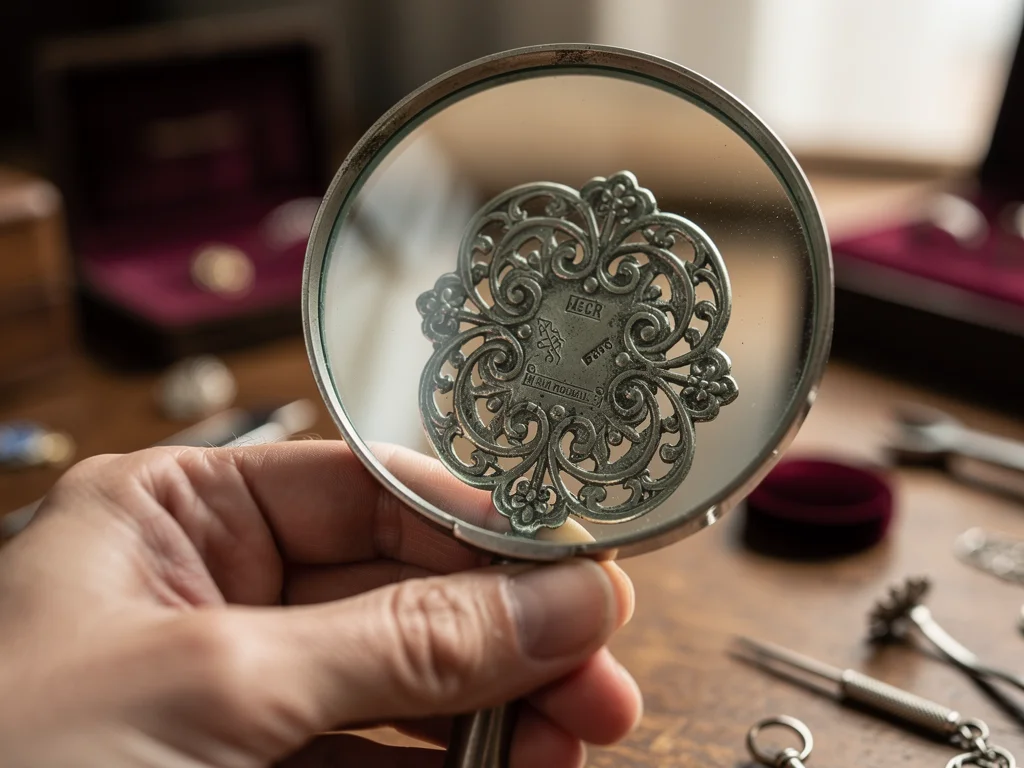
Hallmarks and maker’s marks are often the first line of defense when authenticating vintage jewelry. These tiny, often intricate symbols stamped onto a piece of jewelry provide a wealth of information about its origin, metal purity, and sometimes, the year of manufacture. Understanding how to read and interpret these marks is a foundational skill for any serious collector.
These marks serve as a historical fingerprint, connecting a piece directly to its creator or country of origin. While some marks are straightforward, others require extensive research and familiarity with historical assay offices and individual jewelers’ practices. The absence of a mark doesn’t always signify a fake, especially with older pieces, but its presence can be a powerful indicator of authenticity.
Deciphering Common Hallmarks
Different countries have distinct hallmarking systems. For instance, British hallmarks are among the most comprehensive, often including a standard mark indicating metal purity (e.g., lion passant for sterling silver), a city mark, a duty mark, and a date letter. American jewelry, particularly from the early 20th century, might feature maker’s marks or patent numbers.
- Metal Purity Marks: Look for stamps like ‘925’ for sterling silver, ’14K’ or ‘585’ for 14-karat gold, or ‘PT950’ for platinum. These indicate the precious metal content.
- Maker’s Marks: These are often initials, symbols, or full names identifying the specific jeweler or manufacturing company. Researching these marks can trace a piece back to its original designer.
- Country of Origin Marks: Some pieces will have marks indicating where they were assayed or manufactured, such as a lion for Britain or a specific emblem for French pieces.
- Date Letters: Found primarily on British and some European jewelry, these letters correspond to a specific year, allowing for precise dating of the piece.
Challenges in Hallmark Identification
Identifying hallmarks isn’t always easy. Marks can be tiny, worn down over time, or deliberately obscured. Furthermore, some periods and regions had less stringent hallmarking laws, meaning certain authentic vintage pieces might lack clear identification. It’s also important to be aware of counterfeit marks, which are designed to deceive. Cross-referencing findings with reputable online databases and printed guides is crucial.
When examining hallmarks, a jeweler’s loupe or a strong magnifying glass is indispensable. Patience and a keen eye are also vital, as some marks are barely visible to the naked eye. Documenting all found marks, even partial ones, can assist in later research and verification processes. Understanding the historical context of hallmarking practices can also provide valuable clues.
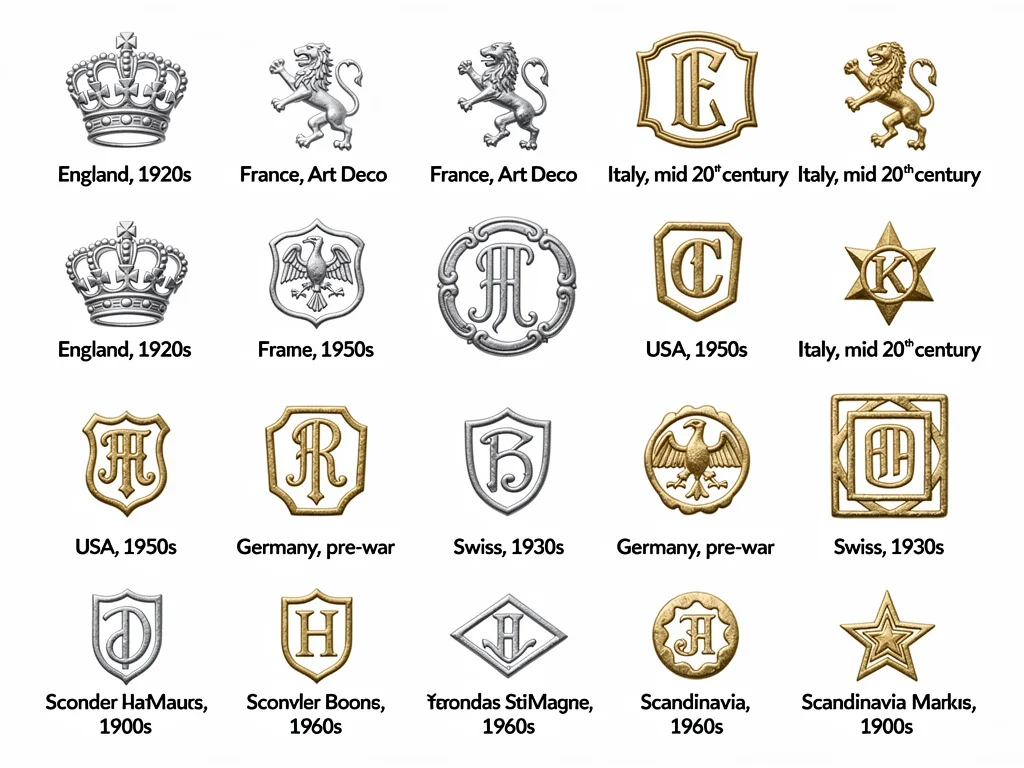
In conclusion, mastering the art of hallmark and maker’s mark identification is a cornerstone of vintage jewelry authentication. It requires diligent research, a good eye, and an understanding of historical context. While it can be challenging, the reward of accurately identifying a genuine piece is immensely satisfying for any collector.
Material Analysis: Gemstones, Metals, and Construction
Beyond external markings, a thorough material analysis provides critical insights into a piece’s authenticity and era. Vintage jewelry often features materials and construction techniques distinct from modern manufacturing. Examining gemstones, precious metals, and the overall craftsmanship can reveal whether a piece truly belongs to a specific historical period.
The evolution of material science and jewelry-making techniques means that the components themselves can tell a story. For example, certain gemstone cuts were popular only during specific decades, and the alloys used for gold or silver have varied over time. Recognizing these nuances is a key aspect of authentication.
Evaluating Gemstones and Their Cuts
The gemstones used in vintage jewelry are often a strong indicator of its age. Early 20th-century pieces might feature hand-cut stones with slight irregularities, whereas later pieces might display more uniform, machine-cut facets. Specific cuts like the Old European cut or Rose cut are hallmarks of earlier periods, differing significantly from modern brilliant cuts.
- Natural vs. Synthetic: Many vintage pieces predate the widespread use of synthetic gemstones. Learning to distinguish natural stones from their lab-created counterparts is crucial. Look for inclusions in natural stones and the absence thereof in synthetics.
- Period-Specific Cuts: Research popular gemstone cuts from different eras. For example, Art Deco jewelry often features geometric cuts, while Victorian pieces might showcase cabochons or rose cuts.
- Mounting Techniques: How a stone is set can also offer clues. Older settings might be less precise than modern ones, or feature specific techniques like bezel settings or elaborate filigree work.
Assessing Precious Metals and Patina
The type and quality of metal are also vital. Early 20th-century gold, for example, often had a slightly different hue due to varying alloy compositions. Silver pieces will typically develop a distinct patina over time, which can be difficult to replicate authentically. Understanding how different metals age and react to environmental factors is part of the authentication process.
Patina, the natural discoloration that forms on metal over time, is a significant indicator of age. An artificially aged piece might have a uniform, unnatural-looking patina, while genuine vintage pieces will show variations consistent with natural wear and exposure. Be wary of overly polished ‘vintage’ pieces that lack any signs of age on the metal surface.
Construction and Craftsmanship
The way a piece is constructed can reveal much about its age and authenticity. Handmade vintage jewelry often exhibits small imperfections, tool marks, and a level of craftsmanship that differs from mass-produced modern items. Examine joints, clasps, pin mechanisms, and overall structural integrity.
For instance, early safety clasps on brooches, or specific types of hinge mechanisms on bracelets, can pinpoint a piece to a particular era. The quality of soldering, the attention to detail in filigree work, and the weight of the piece can all provide valuable information. Modern reproductions often cut corners in these areas, resulting in a less robust or refined finish.
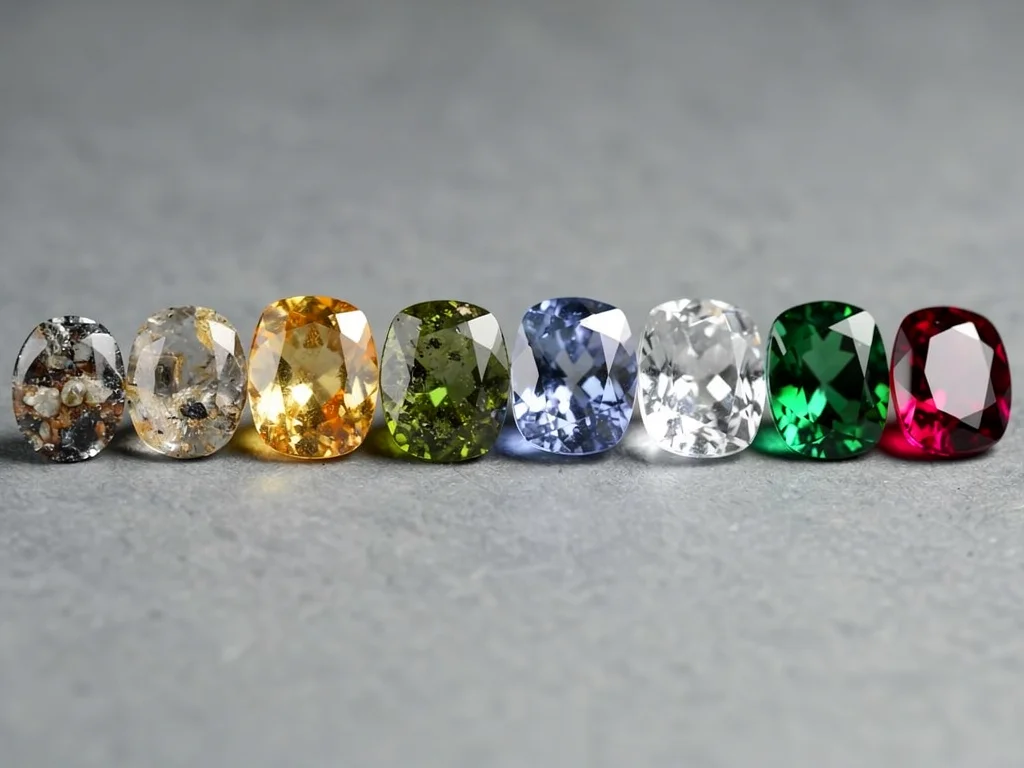
Ultimately, a comprehensive material analysis, spanning gemstones, metals, and construction, provides a strong foundation for authenticating vintage jewelry. By focusing on these details, collectors can develop a discerning eye and avoid common pitfalls in the market.
Provenance and Historical Context Research
Beyond the physical attributes of a piece, its provenance – the documented history of its ownership – and its historical context are invaluable tools for authentication. Understanding where a piece came from, who owned it, and the historical period it represents can significantly bolster its authenticity and value. This research-intensive approach adds a layer of verifiable history to the physical examination.
A well-documented provenance can transform a beautiful piece of jewelry into a historical artifact, increasing its desirability and market price. It also provides a crucial safeguard against fakes, as it’s much harder to forge a detailed history of ownership than to simply create a convincing replica.
Investigating Ownership History
Tracing the ownership history of a vintage piece can be challenging but incredibly rewarding. Auction house records, old appraisal documents, and even family anecdotes can provide valuable clues. While not all pieces will have a clear lineage, any documented history adds significant credibility.
- Auction Records: Check records from reputable auction houses for similar pieces or even the exact piece if it was previously sold. These records often include detailed descriptions and photographs.
- Appraisals and Certificates: If a piece comes with an old appraisal or a certificate of authenticity, verify the credentials of the appraiser or issuing body. These documents can be valuable, but also subject to forgery.
- Family Heirlooms: When acquiring pieces passed down through generations, gather as much oral history as possible. While anecdotal, it can guide further research and provide context.
Understanding Period Styles and Trends
Familiarizing yourself with the distinct styles, motifs, and trends of different historical periods is essential. For example, Art Nouveau jewelry features flowing, organic lines, while Art Deco is characterized by geometric patterns and bold colors. Victorian pieces often incorporate sentimental themes and naturalistic elements.
An authentic vintage piece will invariably align with the prevailing aesthetic and manufacturing capabilities of its purported era. A piece claiming to be Art Deco but featuring a design or material inconsistent with that period should raise immediate red flags. This requires broad knowledge of art history, fashion history, and jewelry design evolution.
Consulting with Experts and Resources
When in doubt, consulting with a reputable vintage jewelry expert or appraiser is always a wise decision. These professionals have years of experience and access to specialized tools and knowledge that individual collectors might lack. They can often spot subtle inconsistencies that escape the untrained eye.
Furthermore, leverage available resources such as specialized books on vintage jewelry, online databases of hallmarks and maker’s marks, and reputable online forums for collectors. These communities can offer advice, share knowledge, and help in identifying challenging pieces. Attend antique shows and exhibitions to gain hands-on experience and network with other collectors and dealers.
In summary, researching the provenance and historical context of a vintage jewelry piece provides a powerful layer of authentication. It goes beyond the physical examination, adding a narrative and verifiable history that is critical for discerning collectors in 2026.
The Role of Wear and Patina in Authentication
The natural wear and patina on a vintage jewelry piece are often overlooked yet crucial indicators of its authenticity and age. Unlike new items, true vintage pieces will bear the subtle marks of time and use. Recognizing the difference between genuine age-related wear and artificially induced distress is a refined skill that can significantly aid in authentication.
Patina, the natural surface discoloration that develops on metals over time, is particularly telling. Silver, for instance, will oxidize and darken in crevices, while gold might show subtle signs of friction on elevated surfaces. These natural signs of aging are incredibly difficult to replicate convincingly in fakes.
Distinguishing Genuine Wear from Artificial Aging
Genuine wear patterns are typically uneven and consistent with how a piece would naturally be handled and worn over decades. For example, the high points of a ring might show slight thinning or smoothing, while protected areas retain more original detail. Artificially aged pieces often have uniform, sometimes harsh, signs of distressing that lack the organic flow of natural wear.
- Surface Scratches: Authentic vintage pieces will have a myriad of tiny, irregular scratches consistent with years of use. Fakes might have fewer, more deliberate-looking scratches.
- Metal Thinning: Areas of high contact, like the underside of a ring band or the edges of a pendant, may exhibit slight thinning or softening of the metal due to prolonged wear.
- Enamel and Gemstone Condition: Examine enamel for minor chips or crazing consistent with age, and gemstones for surface abrasions or nicks that accumulate over time.
Analyzing Patina on Metals
Patina is perhaps the most reliable indicator of age on metal jewelry. On silver, it manifests as a dark, often iridescent film that builds up slowly, particularly in recessed areas. Gold develops a more subtle patina, sometimes appearing as a slight dulling or a very fine, almost invisible film.
When evaluating patina, look for natural variation. Genuine patina will be darker and more pronounced in protected areas, such as between intricate filigree work or around stone settings, where it is less exposed to cleaning or friction. A fake might have a uniformly applied chemical patina that looks unnatural or can be easily wiped away.
Considering the Impact of Repairs and Restoration
It’s important to remember that many vintage pieces have undergone repairs or restoration over their lifetime. These interventions can sometimes alter the original wear patterns or patina. While not necessarily a sign of a fake, understanding if and how a piece has been repaired is part of its overall story and can influence its value.
Look for different color solders, mismatched components, or areas where the metal appears newer or less aged than the rest of the piece. Professional repairs are often done skillfully and can be hard to detect, but a keen eye can sometimes spot subtle differences. Documenting any visible repairs contributes to a comprehensive understanding of the piece.
In conclusion, the authentic character of vintage jewelry is often revealed through its wear and patina. By carefully studying these natural signs of age, collectors can gain confidence in their authentication process, distinguishing genuine historical treasures from modern imitations.
Understanding Market Trends and Value in 2026
For collectors in 2026, understanding current market trends and how they influence the value of vintage jewelry is just as important as authentication. The market for antique and vintage accessories is dynamic, with certain periods, designers, and materials experiencing fluctuations in demand and price. Staying informed ensures smart acquisitions and helps in recognizing potential investments.
The value of a vintage piece is not solely determined by its age or material but also by its rarity, condition, historical significance, and current collector interest. A piece authenticated as genuine might still have varying market value depending on these factors, which can change year by year.
Popular Periods and Styles in 2026
While classic periods like Art Deco and Art Nouveau consistently command high prices, certain other eras or styles might see renewed interest. In 2026, there could be a growing appreciation for mid-century modernist designs or specific regional jewelry traditions. Keeping an eye on auction results, collector forums, and reputable vintage dealer inventories can provide insights into emerging trends.
- Art Deco Resurgence: Expect continued strong demand for authentic Art Deco pieces, especially those featuring geometric designs, platinum, and diamonds.
- Mid-Century Modern: Look for a potential rise in popularity for bold, sculptural designs from the 1950s and 60s, often characterized by unique metals and colorful gemstones.
- Ethical Sourcing: As conscious consumerism grows, pieces with known ethical provenance or those made with recycled materials might gain additional appeal.
Factors Influencing Vintage Jewelry Value
Several factors beyond authenticity contribute to a vintage piece’s market value. Its condition is paramount; a piece in excellent original condition will always fetch a higher price than one with significant damage or extensive repairs. Rarity, the presence of a famous maker’s mark, and the quality of gemstones also play significant roles.
The story behind a piece, its provenance, can also add considerable value, especially if it was owned by a notable figure or played a role in a historical event. Furthermore, the overall aesthetic appeal and current fashion trends can temporarily influence demand and pricing, making it a nuanced field.
Navigating the Online Market and Auctions
The online market for vintage jewelry has boomed, offering a vast array of options but also presenting unique challenges. Reputable online auction houses and specialized vintage jewelry dealers often provide detailed descriptions, high-resolution images, and even authentication reports. However, caution is advised when dealing with unverified sellers.
When purchasing online, always request additional photos, ask for detailed condition reports, and verify the seller’s return policy. For higher-value items, consider having a trusted expert inspect the piece upon receipt. Attending live auctions, both online and in-person, can also be an excellent way to gauge market prices and acquire unique pieces.
In conclusion, successful vintage jewelry collecting in 2026 requires not only authentication skills but also a keen awareness of market dynamics. By staying informed about trends, understanding value drivers, and navigating purchasing channels wisely, collectors can make informed decisions and build truly remarkable collections.
Preservation and Care of Vintage Jewelry
Once a vintage jewelry piece has been authenticated and acquired, its preservation and proper care become paramount. Vintage accessories are often delicate, crafted with materials and techniques that require specific handling to maintain their beauty and integrity for future generations. Proper care not only extends the life of the piece but also helps retain its value.
Neglecting preservation can lead to damage, discoloration, or even loss of components, diminishing both the aesthetic appeal and the historical significance of your cherished acquisitions. Understanding the unique needs of different materials is key to effective care.
Safe Storage Practices
How you store your vintage jewelry significantly impacts its longevity. Exposure to humidity, light, and air can cause damage or accelerate tarnishing. Proper storage involves individual pouches or compartments and controlled environments.
- Individual Pouches: Store each piece separately in soft cloth pouches or lined jewelry boxes to prevent scratching and entanglement.
- Away from Light and Humidity: Keep jewelry boxes in a cool, dry place away from direct sunlight, which can fade certain gemstones or cause materials to degrade.
- Anti-Tarnish Strips: For silver pieces, consider using anti-tarnish strips or storing them in airtight bags to slow down oxidation.
Gentle Cleaning Techniques
Cleaning vintage jewelry requires a delicate touch. Harsh chemicals or ultrasonic cleaners can damage delicate settings, soft gemstones like pearls and opals, or compromise old enameling. Always research the appropriate cleaning method for each specific material.
For most pieces, a soft, damp cloth and mild soap are sufficient. Avoid abrasive cleaners or brushes. For intricate pieces, a soft-bristle toothbrush can carefully reach crevices. Always dry pieces thoroughly before storing them to prevent moisture damage.
Professional Maintenance and Repairs
Regular professional inspection by a trusted jeweler specializing in vintage pieces is highly recommended. They can check settings for looseness, inspect clasps for wear, and address any minor issues before they become significant problems. When repairs are needed, ensure they are carried out by someone experienced in working with vintage techniques and materials to maintain the piece’s authenticity.
Avoid amateur repairs, as they can often cause irreversible damage or decrease the value of the piece. A skilled vintage jeweler will understand how to repair a piece using period-appropriate methods and materials, ensuring its historical integrity is maintained.
In conclusion, the active preservation and careful handling of vintage jewelry are as vital as its initial authentication. By implementing thoughtful storage, gentle cleaning, and professional maintenance, collectors can ensure their treasured pieces endure, continuing to tell their stories for years to come.
Ethical Considerations in Vintage Collecting
As collectors become increasingly discerning, ethical considerations in acquiring vintage jewelry have gained significant prominence. Beyond authenticity, understanding the provenance and ensuring responsible sourcing are crucial for a truly conscientious collection in 2026. This means looking beyond the sparkle and delving into the history and journey of each piece.
Ethical collecting involves a commitment to transparency, sustainability, and respect for cultural heritage. It’s about ensuring that your passion for vintage jewelry doesn’t inadvertently contribute to unethical practices, even if those practices occurred decades ago.
Sourcing and Provenance Transparency
The ideal scenario for ethical collecting involves pieces with clear and verifiable provenance. Knowing the history of ownership, and ideally, the origin of the materials, provides peace of mind. While not always possible for very old items, striving for greater transparency is a valuable goal.
- Reputable Dealers: Purchase from dealers who are transparent about their sourcing and can provide as much information as possible about a piece’s history.
- Auction Houses: Auctions often provide detailed provenance, especially for significant pieces. Review these details carefully.
- Avoid Conflict Materials: While challenging with vintage, be aware of the historical context of materials, especially gemstones, and avoid pieces linked to known periods of conflict or exploitation.
Supporting Sustainable Practices
Collecting vintage jewelry is inherently a sustainable practice, as it promotes reuse and extends the life cycle of existing items, reducing the demand for newly mined materials. However, collectors can further enhance their ethical footprint.
Support jewelers and restorers who use sustainable practices in their work, such as eco-friendly cleaning agents or responsible repair techniques. Consider the environmental impact of shipping and packaging if purchasing online, opting for sellers who use recycled or minimal packaging.
Respect for Cultural Heritage
Some vintage jewelry pieces hold significant cultural or historical importance. Ethical collectors respect this heritage by understanding the context and significance of such items. Avoid pieces that may have been unethically obtained from archaeological sites or through illicit trade.
When encountering pieces with cultural significance, learn about their origins and ensure their acquisition does not disrespect or exploit the culture from which they originated. This often means appreciating them as artifacts rather than purely as decorative items.
In conclusion, ethical considerations are becoming an integral part of vintage jewelry collecting. By prioritizing transparency, supporting sustainable practices, and respecting cultural heritage, collectors in 2026 can build collections that are not only beautiful and authentic but also morally sound and responsible.
| Key Authentication Aspect | Brief Description |
|---|---|
| Hallmarks & Maker’s Marks | Examine stamped symbols for metal purity, origin, and manufacturer identification, crucial for dating and authenticity. |
| Material & Construction | Analyze gemstones (cuts, type), metals (alloys, patina), and craftsmanship techniques specific to historical periods. |
| Provenance & History | Research ownership history and align piece style with known historical periods to verify its background and authenticity. |
| Wear & Patina | Distinguish natural signs of age and discoloration from artificial aging, providing strong evidence of genuine vintage status. |
Frequently Asked Questions About Vintage Jewelry Authentication
The most critical first step is to meticulously examine the piece for hallmarks and maker’s marks. These tiny stamps provide invaluable information about the metal content, origin, and sometimes the manufacturer, offering a direct link to its history and potential authenticity.
Genuine vintage gemstones often exhibit period-specific cuts, such as Old European or Rose cuts, and may contain natural inclusions. Modern reproductions or synthetics typically feature contemporary cuts and often lack the natural imperfections found in older, natural stones. A jeweler’s loupe is essential for this examination.
No, the absence of a hallmark does not automatically mean a piece is fake. Many older vintage items, especially those from certain regions or very early periods, may not have been required to be stamped. However, it necessitates a more thorough examination of materials, construction, and provenance to verify authenticity.
Historical context is crucial because jewelry styles, materials, and manufacturing techniques evolved significantly over time. Knowing the aesthetic trends and technological capabilities of a specific era helps confirm if a piece’s design, construction, and components are consistent with its purported age, preventing misidentification.
It is generally advisable to avoid aggressive cleaning before authentication. Patina and natural wear are key indicators of age and authenticity. Harsh cleaning can remove valuable evidence, potentially decreasing the piece’s value or making it harder to verify its true vintage status. Gentle cleaning with a soft cloth is usually sufficient.
Conclusion
Mastering vintage jewelry authentication is a journey that combines meticulous observation, historical research, and a keen understanding of materials and craftsmanship. For collectors in 2026, equipping oneself with insider knowledge about hallmarks, material analysis, and provenance research is not just a hobby but a vital skill for making informed and valuable acquisitions. By embracing these expert tips, collectors can confidently navigate the enchanting world of vintage accessories, ensuring each cherished piece tells an authentic story and holds its true historical and intrinsic value.