Maximize Casual Wear Investment: Extend Garment Life by 12 Months
Extending the life of your casual wear by 12 months or more is achievable with strategic care and conscious consumption. This guide provides four essential strategies to maximize your clothing investment and promote sustainable style.
Por: Maria Eduarda em 6 de fevereiro de 2026
Última atualização em: 26 de junho de 2026
Advertisements
Extending the life of your casual wear by 12 months or more is achievable with strategic care and conscious consumption. This guide provides four essential strategies to maximize your clothing investment and promote sustainable style.
Advertisements
Are you looking to make your wardrobe budget go further? Learning how to make your favorite pieces last longer is not just about saving money; it’s about embracing a more sustainable lifestyle. This article delves into four key strategies for maximizing your casual wear investment: 4 key strategies to extend garment life by 12 months, ensuring your clothes remain in prime condition for longer.
Understanding the Impact of Fabric Care
The foundation of extending garment life lies in understanding the specific needs of different fabrics. Each material, from robust denim to delicate silk, requires a unique approach to washing, drying, and storage. Neglecting these nuances can lead to premature wear, fading, and structural damage, significantly shortening the lifespan of your casual wear.
Proper fabric care goes beyond just reading labels; it involves understanding the science behind textile maintenance. For instance, high heat can damage elastic fibers in synthetic blends, while harsh detergents can strip natural oils from cotton, making it brittle. Developing a mindful approach to laundry can transform your clothing care routine from a chore into an investment strategy.
Decoding care labels for longevity
Care labels are not merely suggestions; they are precise instructions from manufacturers designed to preserve the integrity of your garments. Often overlooked, these small tags provide a wealth of information crucial for extending the life of your clothes.
Symbols and their meanings: Familiarize yourself with common laundry symbols for washing, bleaching, drying, ironing, and dry cleaning.
Temperature guidelines: Adhering to recommended water temperatures prevents shrinking, fading, and damage to fabric fibers.
Special instructions: Pay attention to phrases like “wash with like colors” or “lay flat to dry” to avoid common clothing mishaps.
By taking the time to understand these symbols, you empower yourself to make informed decisions that protect your clothing investment. It’s a simple step that yields significant returns in garment longevity.
Beyond the label, consider the environmental impact of your washing habits. Using cold water whenever possible not only saves energy but also tends to be gentler on most fabrics, reducing the risk of color bleed and shrinkage. Opting for eco-friendly detergents can also minimize harsh chemical exposure, which can degrade fabric over time. This holistic approach to fabric care contributes to both your wardrobe’s lifespan and planetary well-being.
In conclusion, a deep understanding of fabric care, starting with decoding care labels and embracing eco-conscious practices, is paramount. This foundational knowledge ensures that your casual wear receives the optimal treatment it needs to last well beyond expectations, making your investment truly worthwhile.
Mastering Washing and Drying Techniques
The way you wash and dry your clothes significantly impacts their lifespan. Aggressive washing cycles, incorrect water temperatures, and harsh drying methods can cause irreversible damage, from stretching and shrinking to fading and pilling. Mastering gentle techniques is essential for preserving the quality and appearance of your casual wear.
Think of your washing machine and dryer as tools that, if used incorrectly, can be detrimental to your garments. Adjusting settings to match fabric types and choosing appropriate detergents are critical steps. This section will guide you through the best practices for washing and drying to ensure your clothes stay looking new for longer.
Gentle washing for delicate fabrics
Delicate items like silk blouses, wool sweaters, or embellished tops require a gentle touch. Machine washing on a delicate cycle with cold water is often suitable, but hand washing is always the safest option for truly fragile pieces.
Separate by fabric type: Wash similar fabrics together to prevent friction damage and color transfer.
Use mesh laundry bags: Protect delicate items from snagging or stretching during the wash cycle.
Choose mild detergents: Harsh chemicals can break down delicate fibers; opt for pH-neutral or wool-specific cleansers.
By implementing these gentle washing practices, you can prevent common issues like pilling, snags, and loss of shape, extending the life of your most cherished casual garments.
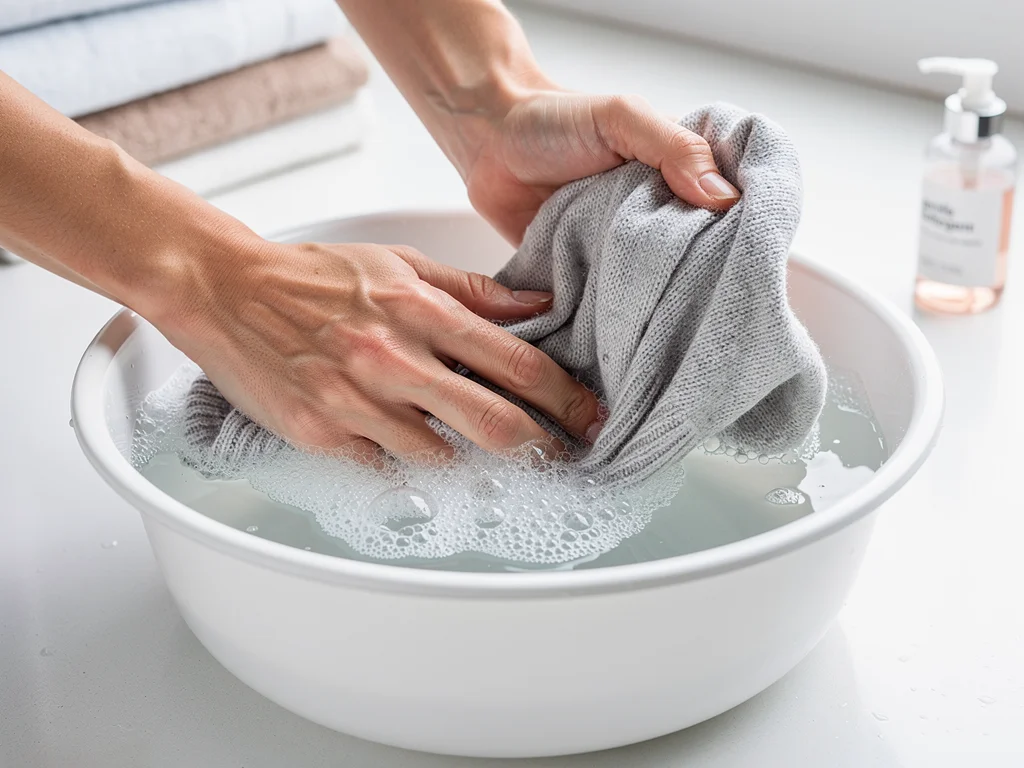
For items that require hand washing, fill a clean basin with cool or lukewarm water and a small amount of mild detergent. Submerge the garment, gently agitate the water, and let it soak for no more than 30 minutes. Rinse thoroughly with cool water until all soap is gone, avoiding twisting or wringing which can damage fibers. This method is particularly effective for preserving the elasticity and drape of sensitive materials.
Optimizing drying methods
Drying is another crucial stage where garments can sustain damage. High heat from tumble dryers can cause shrinking, fading, and weakening of fibers. Air drying, though slower, is often the most garment-friendly approach.
Air dry whenever possible: Hang clothes on a line or lay them flat on a clean surface to retain their shape and prevent heat damage.
Use low heat for tumble drying: If you must use a dryer, select the lowest heat setting and remove clothes while slightly damp to minimize wrinkles and over-drying.
Avoid direct sunlight for dark colors: Sunlight can cause dark fabrics to fade, so dry them in the shade or indoors.
Careful drying techniques not only extend the life of your clothes but also help maintain their original fit and color vibrancy. This attention to detail can add significant months to your garment’s wearability.
Beyond the basic methods, consider investing in a drying rack for sweaters and other items that might stretch if hung. For denim, hanging by the waistband can help maintain its structure and prevent creasing. The goal is to minimize stress on the fabric during the drying process, ensuring that your casual wear retains its shape and texture for an extended period.
In summary, mastering your washing and drying techniques is not just about cleanliness; it’s a vital component of garment longevity. By adopting gentle washing practices and optimizing your drying methods, you actively contribute to extending the life of your casual clothing by many months.
Strategic Storage and Organization
Even the most meticulously cared-for garments can suffer if not stored properly. The way you organize your wardrobe plays a significant role in preventing damage, maintaining shape, and keeping your clothes fresh. Strategic storage extends the life of your casual wear by protecting it from dust, pests, and structural distortion.
An organized closet is more than just aesthetically pleasing; it’s a functional space designed to preserve your investment. From choosing the right hangers to understanding seasonal storage needs, every detail contributes to the longevity of your clothing. This section explores how to create a storage system that works for your wardrobe.
Choosing the right hangers and folding techniques
The type of hanger you use can make a big difference in preserving the shape of your garments. Thin wire hangers, for instance, can stretch out shoulders or leave unsightly marks.
Padded or wooden hangers for delicate tops: These provide better support and prevent creasing.
Flocked hangers for slippery fabrics: Their non-slip surface keeps silk and satin from falling off.
Proper folding for knits and heavy items: Folding prevents stretching and distortion that can occur when heavy items are hung.
By investing in appropriate hangers and mastering folding techniques, you can avoid common storage-related damage, ensuring your casual wear retains its original form and appeal.
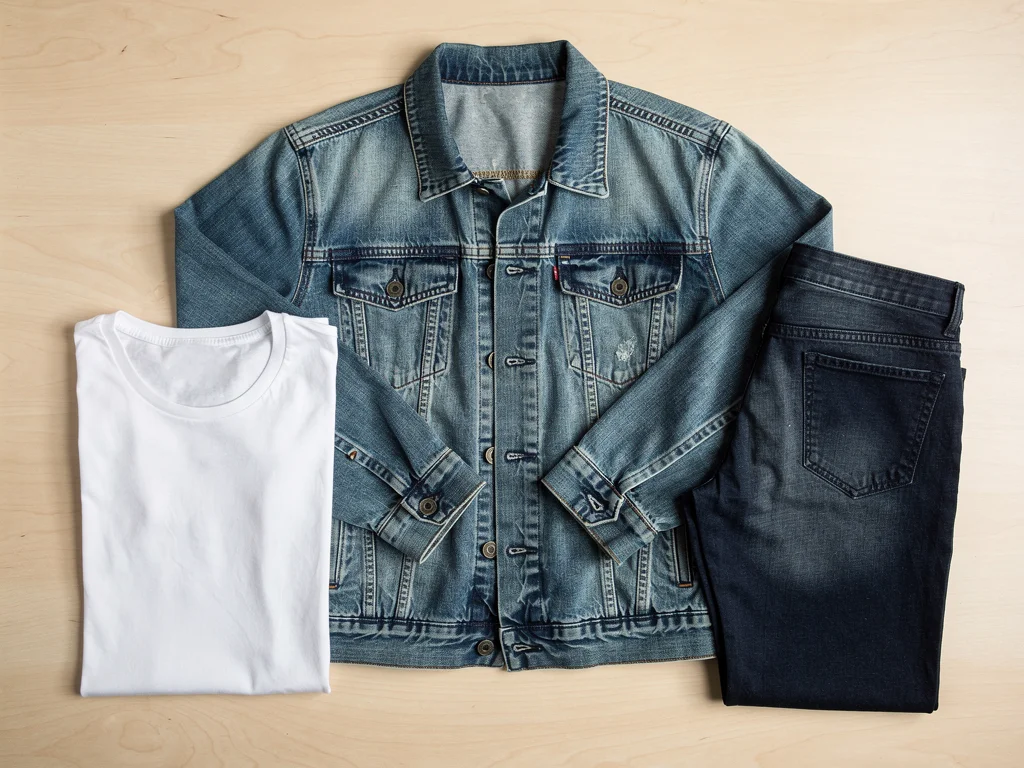
For items like jeans and t-shirts, proper folding not only saves space but also minimizes wrinkles, reducing the need for frequent ironing which can wear down fabric. Consider using drawer dividers or shelf organizers to keep folded items neat and easily accessible. This systematic approach to organization helps you quickly find what you need without rummaging, which can also cause wear and tear.
Seasonal and long-term storage solutions
Storing seasonal clothing correctly is vital for its preservation. Items packed away for months need protection from humidity, pests, and dust to emerge fresh and ready to wear.
Clean before storing: Always wash or dry clean garments before putting them into long-term storage to prevent stains from setting and attracting pests.
Use breathable storage bags: Cotton garment bags or breathable bins protect clothes from dust while allowing air circulation.
Avoid plastic dry cleaning bags: These can trap moisture and chemicals, leading to fabric damage over time.
Implementing these seasonal storage strategies ensures that your off-season casual wear remains in pristine condition, ready for its next appearance and extending its overall lifespan.
For more robust long-term storage, consider vacuum-sealed bags for bulky items like winter coats or blankets. These can save significant space while protecting garments from moisture and insects. Ensure the items are thoroughly clean and dry before sealing. Adding cedar blocks or lavender sachets can also deter pests naturally, providing an additional layer of protection for your stored clothing.
Ultimately, strategic storage and organization are not just about tidiness; they are fundamental to garment longevity. By choosing the right tools and techniques for both daily and seasonal storage, you actively contribute to extending the life of your casual wear, ensuring each piece remains a valuable part of your wardrobe.
Mending and Repairing for Extended Use
The instinct to discard a garment at the first sign of damage is common, but it’s often a missed opportunity to significantly extend its life. Mending and repairing are not just practical skills; they are acts of sustainability that breathe new life into your casual wear. Addressing minor issues promptly can prevent them from escalating into irreversible damage.
From a small tear to a loose button, many common clothing imperfections can be easily fixed with basic sewing skills or the help of a professional. Embracing repairs not only saves money but also fosters a deeper connection with your clothes, turning them into cherished pieces with a story. This section explores the importance of mending and how to approach common repairs.
Basic repairs you can do at home
Many common clothing issues are simple to fix, even for beginners. Learning a few basic mending techniques can save you countless garments from the landfill.
Sewing on a loose button: A simple needle and thread can reattach a button, preventing the garment from becoming unwearable.
Mending a small tear or seam: A quick hand stitch can close minor rips, stopping them from growing larger.
Fixing a dropped hem: A few stitches can restore a hem, making trousers or skirts wearable again.
These simple repairs are quick to learn and incredibly effective in extending the life and usability of your casual clothes. They represent a direct way to maximize your casual wear investment.
Beyond these, consider learning how to patch small holes in denim or other sturdy fabrics. Iron-on patches offer a quick fix, while a more elaborate visible mending technique can add a unique, personalized touch to your garments. There are numerous online tutorials and workshops available that can equip you with these valuable skills, transforming you from a consumer into a conserver.
When to seek professional help
While many repairs can be handled at home, some issues require the expertise of a professional tailor or seamstress. Knowing when to seek help can save a beloved garment from permanent damage.
Complex alterations: Resizing garments, adjusting intricate designs, or tailoring suits often require professional skill.
Zipper replacements: Replacing a broken zipper can be challenging and is best left to experts for a seamless finish.
Delicate fabric repairs: Materials like silk, lace, or heavily embellished items often need specialized handling to repair without further damage.
Investing in professional repairs for more complex issues is a smart choice, often costing less than replacing the entire garment and significantly extending its functional life. This ensures that even challenging repairs contribute to maximizing your casual wear investment.
A good tailor can also offer advice on preventative measures or suggest ways to reinforce areas prone to wear, such as elbow patches on sweaters or reinforced knees on trousers. Building a relationship with a local seamstress or tailor can be an invaluable asset in your journey to extend garment life, providing expert care and insights that go beyond simple fixes.
In conclusion, embracing mending and repairing, whether through DIY efforts or professional assistance, is a powerful strategy for extending the life of your casual wear. It transforms a disposable mindset into one of preservation, ensuring your clothes remain a valuable part of your wardrobe for years to come.
Mindful Consumption and Wardrobe Planning
The most effective way to extend garment life begins long before a piece enters your closet. Mindful consumption, coupled with thoughtful wardrobe planning, involves making conscious choices about what you buy and how it fits into your lifestyle. This approach minimizes impulse purchases and focuses on quality, versatility, and longevity, ultimately maximizing your casual wear investment.
Instead of chasing fleeting trends, a mindful consumer invests in timeless pieces that can be mixed and matched, forming a cohesive and durable wardrobe. This strategy not only reduces waste but also simplifies daily dressing, leading to a more sustainable and satisfying fashion experience. This section explores how to cultivate a more intentional approach to your clothing choices.
Investing in quality over quantity
The allure of fast fashion, with its low prices and constant new arrivals, can be tempting. However, these garments are often made with lower-quality materials and construction, leading to a significantly shorter lifespan.
Prioritize durable fabrics: Look for natural fibers like organic cotton, linen, and wool, or high-quality synthetics designed for longevity.
Examine construction: Check seams, stitching, and button attachments for signs of sturdy craftsmanship.
Consider cost per wear: A higher-priced, well-made item that lasts for years is often more economical than several cheap items that quickly fall apart.
By consciously choosing quality over quantity, you create a wardrobe of resilient pieces that stand the test of time, directly contributing to extending garment life and making your investment truly worthwhile.
Think about the overall lifecycle of a garment. A high-quality basic t-shirt, for example, might cost more upfront but will endure dozens of washes and wears without losing its shape or color, unlike its cheaper counterparts. This long-term perspective shifts the focus from immediate gratification to sustainable satisfaction, aligning your wardrobe with your values.
Building a versatile capsule wardrobe
A capsule wardrobe consists of a limited number of interchangeable clothing items that complement each other. This approach simplifies dressing, reduces decision fatigue, and encourages more intentional purchasing habits.
Identify your core style: Focus on colors, silhouettes, and fabrics that truly reflect your personal aesthetic and lifestyle.
Choose versatile pieces: Select items that can be dressed up or down, suitable for multiple occasions.
Regularly assess your needs: Periodically review your wardrobe to identify gaps and avoid redundant purchases.
A well-curated capsule wardrobe minimizes waste and maximizes the utility of each item, making it easier to extend the life of your casual wear through consistent use and careful maintenance. It’s a strategic way to ensure every piece earns its place.
Furthermore, a capsule wardrobe encourages creativity in styling. With fewer items, you’re prompted to experiment with different combinations and accessories, giving each piece a fresh look without needing new purchases. This iterative process of styling and re-styling helps you get the most out of every garment, reinforcing its value and justifying your initial investment.
In essence, mindful consumption and strategic wardrobe planning are proactive steps in garment longevity. By prioritizing quality, versatility, and conscious purchasing, you lay the groundwork for a wardrobe that not only lasts longer but also truly serves your style and sustainability goals.
The Role of Timely Stain Removal
Stains are an inevitable part of wearing casual clothes, but their timely and correct removal is crucial for extending garment life. Allowing a stain to set can permanently damage fabric fibers, leading to discoloration or weakening that makes a garment unwearable. Proactive stain treatment can save countless items from early retirement.
Understanding the different types of stains and the most effective methods for treating them is a valuable skill for any wardrobe owner. A quick response, combined with the right approach, can often make a stain disappear without a trace, preserving the integrity and appearance of your clothing. This section will guide you through effective stain removal techniques.
Identifying and treating common stains
Different stains require different treatments. A universal approach often proves ineffective or, worse, can set the stain further. Knowing what you’re dealing with is the first step to successful removal.
Grease stains: Blot excess grease, then apply dish soap directly to the stain before washing.
Coffee/tea stains: Rinse immediately with cold water, then treat with a mixture of vinegar and water or a specialized stain remover.
Ink stains: Apply rubbing alcohol or hand sanitizer, blot, and then wash.
Acting quickly and using the appropriate method for each stain type significantly increases the chances of complete removal, thus extending the life of your casual wear and maintaining its pristine condition.
For tougher stains, a pre-soak in an enzyme-based cleaner can break down organic matter effectively. Always test any stain remover on an inconspicuous area of the garment first to ensure it doesn’t cause discoloration or damage. Patience is key; sometimes, multiple treatments are necessary to fully lift a stubborn stain.
Preventative measures against discoloration
Beyond immediate stain removal, there are preventative measures you can take to protect your garments from general discoloration and fading over time. These practices contribute to the overall vibrancy and longevity of your casual wardrobe.
Wash with like colors: This prevents dye transfer, especially from new dark garments to lighter ones.
Turn dark clothes inside out: Washing and drying dark items inside out reduces friction on the outer surface, minimizing fading.
Avoid over-exposure to sunlight: Direct sunlight can bleach colors, so store clothes in shaded areas and air dry away from harsh sun.
Incorporating these preventative steps into your routine helps maintain the original color and vibrancy of your clothing, ensuring that your casual wear remains visually appealing for a longer duration. This proactive approach is a cornerstone of maximizing your casual wear investment.
Consider also the quality of the water you use for washing. Hard water, rich in minerals, can leave deposits that dull colors over time. If you have hard water, using a water softener or a detergent formulated for hard water can make a noticeable difference in preserving garment brightness. These subtle considerations collectively add up to significantly extend the aesthetic and functional life of your clothes.
In conclusion, timely and appropriate stain removal, combined with effective preventative measures against discoloration, forms a critical pillar in extending garment life. By mastering these techniques, you ensure your casual wear not only lasts longer but also continues to look its best, reflecting a well-cared-for and sustainable wardrobe.
Embracing Sustainable Fashion Practices
Extending the life of your casual wear is inherently a sustainable practice, but there are broader fashion choices that further amplify this impact. Embracing sustainable fashion goes beyond caring for individual garments; it involves a commitment to ethical production, reduced environmental footprint, and a circular economy. This holistic approach ensures that your wardrobe choices contribute positively to both your personal style and the planet.
From supporting brands with transparent supply chains to participating in clothing swaps, sustainable fashion offers numerous avenues for conscious engagement. This section explores how integrating these practices can further enhance your efforts to extend garment life and foster a more responsible relationship with clothing.
Supporting ethical and eco-friendly brands
Choosing to buy from brands committed to ethical labor practices and environmental stewardship sends a powerful message. These brands often prioritize quality and durability, which naturally aligns with the goal of extending garment life.
Research brand values: Look for certifications like Fair Trade, GOTS (Global Organic Textile Standard), or B Corp status.
Prioritize transparent supply chains: Brands that openly share their manufacturing processes often have better standards.
Invest in timeless designs: Ethical brands often focus on classic styles that transcend trends, promoting longevity.
By consciously supporting eco-friendly and ethical brands, you’re not just purchasing a garment; you’re investing in a system that values quality, durability, and responsible production, all of which contribute to maximizing your casual wear investment.
Furthermore, many sustainable brands are innovating with materials, utilizing recycled fabrics, or developing biodegradable alternatives. These advancements not only reduce environmental impact but often lead to more durable and long-lasting garments. Your purchasing power can drive demand for these positive changes, making a tangible difference in the fashion industry.
The circular economy: repair, reuse, recycle
The concept of a circular economy in fashion encourages a shift from a linear ‘take-make-dispose’ model to one where resources are kept in use for as long as possible. This directly supports the goal of extending garment life.
Repair over replace: As discussed, mending small damages keeps clothes in circulation longer.
Donate or sell used clothing: Give unworn items a second life through consignment stores, charities, or online marketplaces.
Recycle textiles responsibly: For garments beyond repair or donation, seek out textile recycling programs to prevent them from ending up in landfills.
Embracing the principles of the circular economy ensures that every piece of casual wear is utilized to its fullest potential, significantly extending its overall lifespan and reducing fashion’s environmental footprint. This holistic approach is key to truly maximizing your casual wear investment.
Participating in clothing swaps with friends or local communities is another excellent way to engage with the circular economy. It allows you to refresh your wardrobe without new purchases, reducing consumption and extending the life of garments for others. These community-based initiatives foster a sense of shared responsibility and creativity in fashion.
In conclusion, embracing sustainable fashion practices, from supporting ethical brands to actively participating in the circular economy, is a powerful extension of caring for your clothes. These choices not only help extend the life of your casual wear but also contribute to a more responsible and environmentally friendly fashion industry, making your investment a truly impactful one.
Seasonal Wardrobe Rotation and Maintenance
Beyond daily care, a well-executed seasonal wardrobe rotation is a potent strategy for preserving your casual wear. Storing clothes that are out of season properly prevents premature wear, fading, and damage, ensuring they are fresh and ready when their time comes. This systematic approach contributes significantly to extending garment life by protecting items from unnecessary exposure and environmental factors.
A thoughtful rotation also allows for a periodic assessment of your wardrobe, helping you identify items that need mending, cleaning, or are simply no longer serving their purpose. This proactive maintenance ensures that every piece in your collection remains in optimal condition, ready to be enjoyed for many seasons to come.
Preparing clothes for off-season storage
Before packing away your seasonal clothes, a few preparatory steps can make all the difference in their longevity. Skipping these can lead to unpleasant surprises when you retrieve them.
Thorough cleaning: Always wash or dry clean garments before storing them. Invisible stains can set over time and attract pests.
Ensure complete dryness: Storing damp clothes can lead to mildew, odor, and fabric degradation.
Perform minor repairs: Fix any loose buttons, small tears, or detached seams before storage to prevent further damage.
These crucial preparatory steps safeguard your casual wear from common storage issues, ensuring that your investment is protected and your clothes emerge in excellent condition for the next season.
For delicate items, consider wrapping them in acid-free tissue paper before placing them in breathable storage containers. This provides an extra layer of protection against environmental factors and helps maintain their shape. Avoiding plastic bags for long-term storage is essential, as they can trap moisture and harmful chemicals, accelerating fabric deterioration.
Regular wardrobe assessment and decluttering
A periodic review of your wardrobe, especially during seasonal transitions, is an excellent habit for extending garment life and maintaining a functional closet. This process helps you manage your clothing inventory effectively.
Identify items needing repair: Use this opportunity to spot and mend any minor damages before they worsen.
Evaluate fit and style: Determine if items still fit well and align with your current personal style.
Donate or repurpose unworn clothes: Decluttering frees up space and ensures that clothes you no longer wear can still serve a purpose for others.
Regular assessment and decluttering not only keep your wardrobe fresh and organized but also ensure that every piece you own is cherished and well-maintained, contributing to the overall goal of maximizing your casual wear investment.
Consider creating a “maybe” pile for items you’re unsure about. If you haven’t worn them in six months to a year, it’s probably time to let them go. This systematic approach prevents your closet from becoming overwhelmed with unused items, making it easier to care for the clothes you truly love and wear. It also helps you be more intentional about future purchases, reinforcing the principles of mindful consumption.
In conclusion, implementing a strategic seasonal wardrobe rotation and engaging in regular maintenance and decluttering are vital for extending the life of your casual wear. These practices protect your garments from seasonal wear and tear and ensure that your wardrobe remains a curated collection of well-loved and long-lasting pieces.
The Importance of Proper Fit and Alterations
The fit of a garment plays a surprisingly significant role in its longevity. Clothes that are too tight can experience excessive strain on seams and fabric, leading to premature tearing or stretching. Conversely, overly loose clothing can snag more easily or develop wear patterns in areas where the fabric bunches. Ensuring a proper fit through mindful purchasing and timely alterations is key to extending garment life.
A well-fitting garment not only looks better but also lasts longer because it’s subjected to less stress during wear. This section explores how paying attention to fit, and utilizing alterations, can be a powerful strategy in maximizing your casual wear investment, ensuring comfort and durability.
Choosing the right size and fit
While size tags provide a general guide, understanding how different cuts and styles fit your body is essential. Don’t be afraid to try on clothes or consult size guides that include measurements.
Understand your measurements: Knowing your bust, waist, hip, and inseam measurements can help you choose the right size more accurately.
Consider fabric stretch: For items with stretch, a snugger fit might be acceptable, but avoid anything that pulls tightly at the seams.
Prioritize comfort and movement: Clothes should allow for a full range of motion without restriction or excessive bagging.
By making informed decisions about size and fit at the point of purchase, you prevent unnecessary stress on the fabric and construction, directly contributing to extending the life of your casual wear.
Remember that sizing can vary significantly between brands. Instead of relying solely on the number on the tag, focus on how the garment feels and looks on your body. A good fit means the fabric drapes well, seams lie flat, and there’s no excessive pulling or gapping. This attention to detail during shopping is a foundational step in building a long-lasting wardrobe.
Utilizing alterations for extended wear
Alterations are not just for formal wear; they are an invaluable tool for extending the life of your casual garments. A simple alteration can transform an ill-fitting item into a perfectly tailored piece, encouraging more frequent wear and better preservation.
Hemming trousers or skirts: Preventing hems from dragging on the ground avoids fraying and wear.
Taking in waistbands: A properly fitting waistband prevents sagging and reduces stress on the fabric.
Adjusting sleeve lengths: Sleeves that are too long can get caught or soiled more easily, leading to premature wear.
Investing in minor alterations can significantly improve the wearability and longevity of your casual clothes. It’s a cost-effective way to ensure your garments fit perfectly, look great, and last longer, thereby maximizing your casual wear investment.
Beyond basic adjustments, a skilled tailor can also perform more complex alterations, such as tapering trouser legs or adjusting the fit of a jacket. These modifications can update the style of an older garment, making it feel new again and extending its relevance in your wardrobe. Don’t underestimate the power of a professional alteration to breathe new life into a beloved piece.
In conclusion, paying close attention to proper fit and being willing to utilize alterations are crucial for extending garment life. Clothes that fit well are more comfortable, look better, and are less prone to damage from wear and tear, making them a valuable part of your long-term casual wardrobe strategy.
Key Strategy
Benefit for Garment Life
Understand Fabric Care
Prevents damage, fading, and structural weakening.
Master Washing/Drying
Maintains shape, color, and fabric integrity.
Strategic Storage
Protects from dust, pests, and physical distortion.
Mend and Repair
Prevents minor damage from becoming irreversible.
Frequently asked questions about garment longevity
How often should I wash my casual clothes to extend their life?▼
It’s best to wash casual clothes only when necessary. Over-washing can degrade fibers and colors. For items like jeans, wash every 5-10 wears; for t-shirts, after 1-2 wears. Always check for visible dirt or odors before deciding to wash, thereby reducing unnecessary wear.
Are expensive detergents better for extending garment life?▼
Not necessarily. The key is to choose a detergent appropriate for the fabric type and water temperature. Mild, pH-neutral, or eco-friendly detergents are often gentler on clothes, regardless of price. Harsh chemicals can be more damaging than the cost-effective alternative.
Can I use a clothes dryer for all my casual wear?▼
While convenient, tumble drying on high heat can damage many fabrics, causing shrinking, fading, and weakening. It’s best to air dry delicate items, knits, and dark colors. For other items, use the lowest heat setting and remove them while slightly damp to prevent over-drying.
What’s the best way to store seasonal casual clothes?▼
Always clean garments thoroughly before storing them. Use breathable cotton garment bags or bins, not plastic dry cleaning bags, to prevent moisture and chemical buildup. Store in a cool, dry, dark place to protect from dust, pests, and environmental damage, ensuring freshness.
How does mindful consumption contribute to extending garment life?▼
Mindful consumption means buying fewer, higher-quality items that fit well and are versatile. This reduces the need for frequent replacements due to wear or changing trends. Investing in durable fabrics and classic styles inherently leads to a longer-lasting wardrobe, maximizing your overall investment.
Conclusion
Maximizing your casual wear investment: 4 key strategies to extend garment life by 12 months is not just a goal; it’s an achievable reality through a combination of conscious decisions and diligent practices. By understanding specific fabric care needs, mastering washing and drying techniques, implementing strategic storage, embracing timely repairs, and adopting mindful consumption habits, you can significantly prolong the life of your favorite casual pieces. These strategies not only save you money in the long run but also contribute to a more sustainable and environmentally responsible approach to fashion. Embrace these insights to transform your wardrobe into a collection of long-lasting, cherished garments that reflect both your style and your commitment to sustainability.