Fabric Choice for Casual Comfort: Cotton vs. Blends in 2026
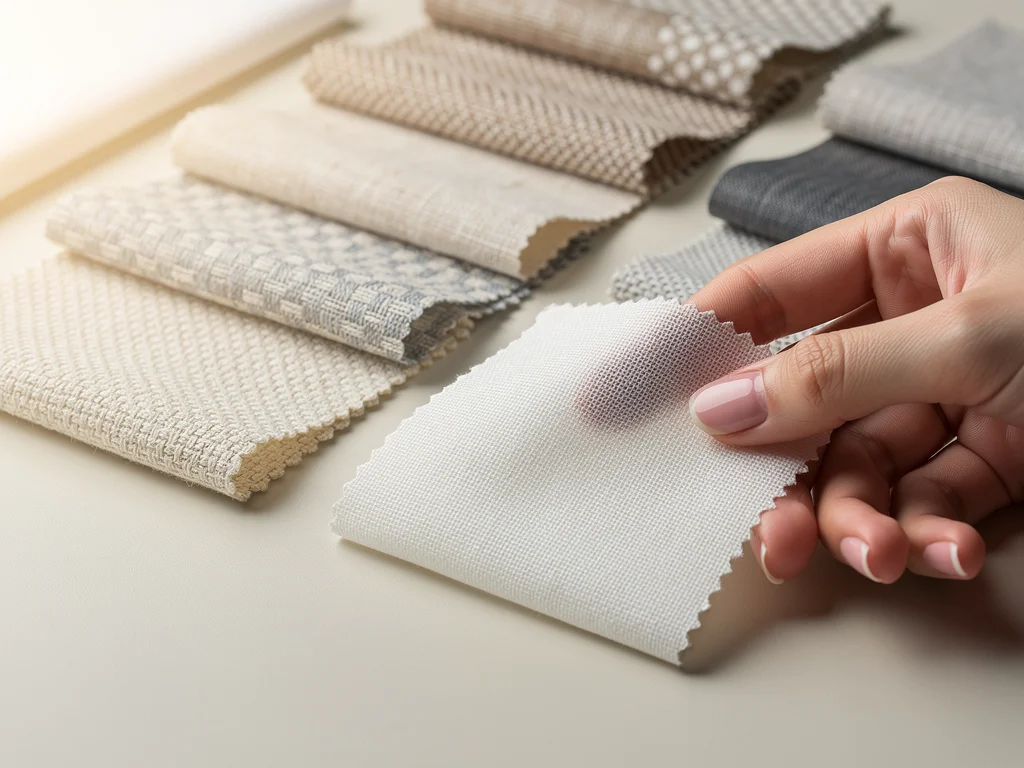
The impact of fabric choice on casual comfort in 2026 reveals a nuanced debate between traditional cotton and innovative blends, influencing breathability, durability, and overall wearability for everyday styles.
Por: Maria Eduarda em 30 de março de 2026
Última atualização em: 26 de junho de 2026
Advertisements
The significant impact of fabric choice on casual comfort in 2026 is determined by a garment’s material composition, with cotton offering natural breathability and blends providing enhanced durability, stretch, and specialized performance characteristics.
Understanding the impact of fabric choice on casual comfort: a 2026 analysis of cotton vs. blends is more critical than ever in an era where personal style meets practical living. As we navigate the complexities of modern life, the clothes we choose for everyday wear significantly influence our well-being and how we interact with our environment. This deep dive explores the evolving landscape of casual fabrics, comparing the enduring appeal of natural cotton with the innovative advancements in blended materials.
Advertisements
The enduring appeal of cotton in casual wear
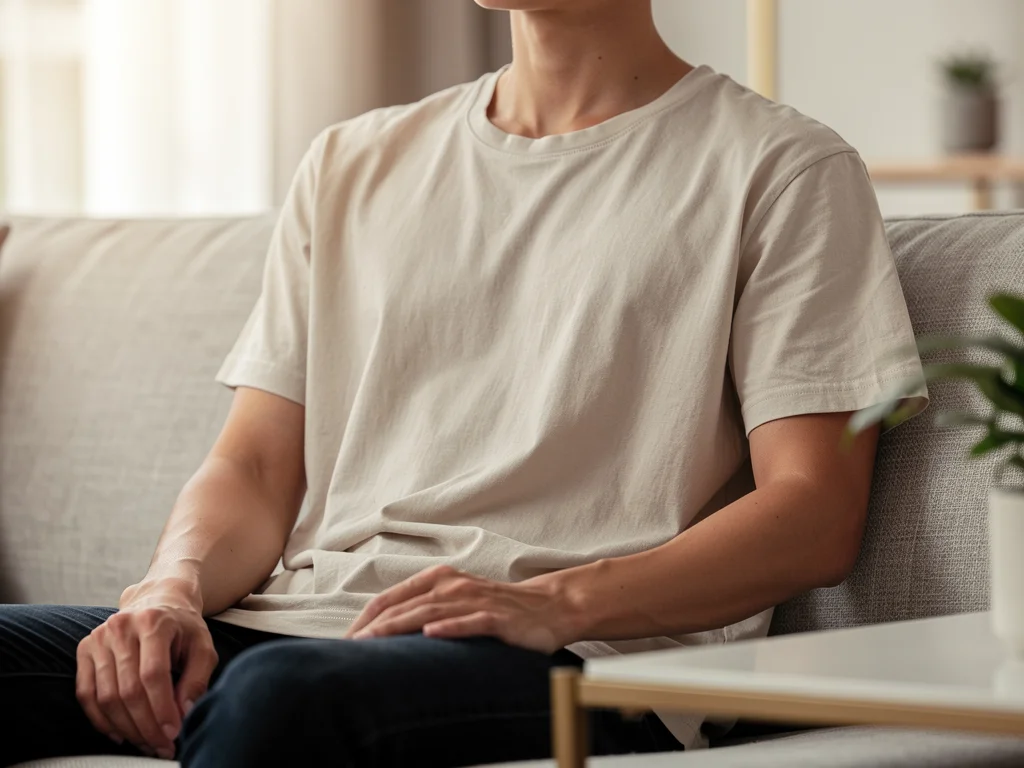
Cotton has long been the gold standard for casual comfort, cherished for its natural softness and breathability. Its ubiquity in t-shirts, jeans, and everyday essentials speaks volumes about its inherent qualities that resonate with consumers seeking ease and familiarity.
This natural fiber is derived from the cotton plant, offering a hypoallergenic and gentle touch against the skin. Its ability to absorb moisture makes it ideal for warmer climates or active days, allowing the skin to breathe and preventing that clammy feeling often associated with less breathable materials. The comfort factor of cotton extends beyond just its feel; it’s also relatively easy to care for, standing up to frequent washing without significant degradation, though it can be prone to wrinkling.
Natural breathability and softness
One of cotton’s most celebrated attributes is its exceptional breathability. The structure of cotton fibers allows air to circulate freely through the fabric, aiding in temperature regulation. This natural ventilation helps to keep the wearer cool in heat and comfortably warm in cooler conditions, making it a versatile choice for various seasons.
Moisture absorption: It effectively wicks sweat away from the body, enhancing comfort.
Soft hand-feel: The natural fibers are inherently soft, minimizing skin irritation.
The softness of cotton also contributes significantly to its comfort profile. Unlike some synthetic fibers that can feel coarse or stiff, cotton drapes smoothly and feels pleasant against the skin, making it a preferred choice for items worn directly on the body.
Durability and environmental considerations
While often perceived as delicate due to its softness, cotton is surprisingly durable. It can withstand repeated washing and wear, maintaining its integrity over time. However, its production does have environmental implications concerning water usage and pesticide application, which has led to increased interest in organic cotton and sustainable farming practices.
Consumers are increasingly aware of the environmental footprint of their clothing choices, prompting brands to innovate. Organic cotton, grown without harmful chemicals, presents a more eco-friendly alternative, yet it often comes with a higher price point. The balance between comfort, durability, and environmental responsibility remains a key consideration for both manufacturers and consumers.
The rise of blended fabrics: innovation meets versatility
In contrast to cotton’s traditional appeal, blended fabrics represent a dynamic frontier in textile innovation. These materials combine two or more different fibers, natural or synthetic, to create textiles with enhanced properties that often outperform single-fiber fabrics in specific areas.
The primary motivation behind creating blends is to leverage the best characteristics of each component fiber while mitigating their individual weaknesses. For instance, combining cotton with polyester can result in a fabric that offers cotton’s softness and breathability with polyester’s wrinkle resistance and quick-drying capabilities. This strategic mixing allows for a broad spectrum of performance characteristics tailored to specific needs in casual wear.
Enhanced performance and specialized properties
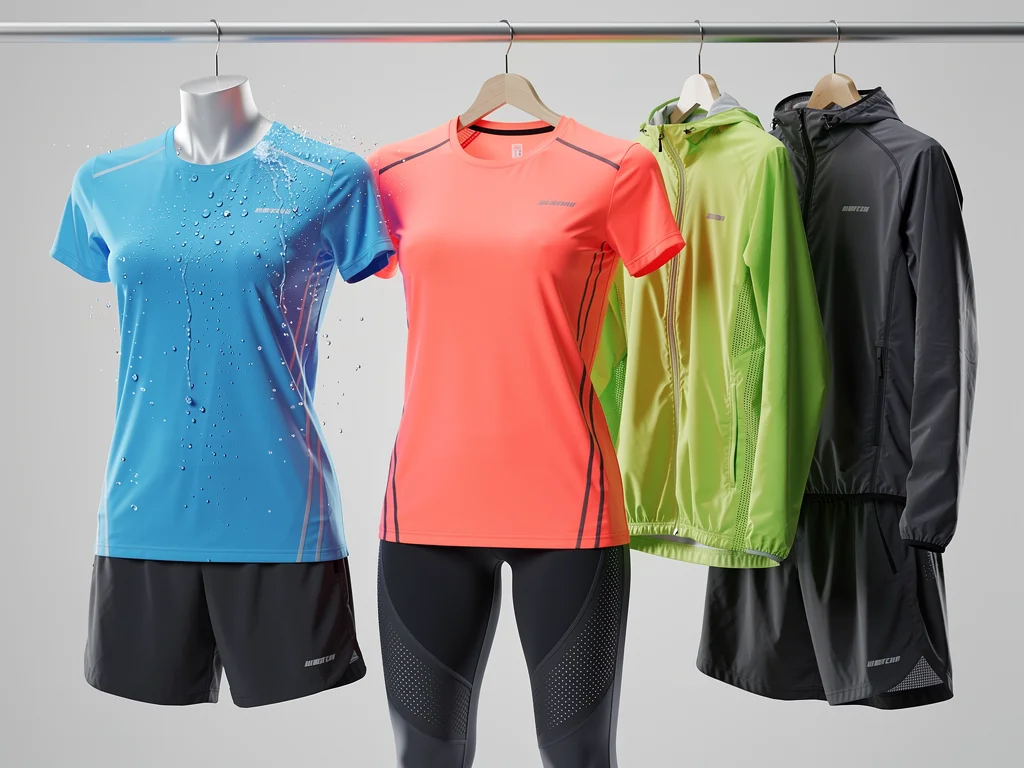
Modern fabric blends are engineered to provide specialized benefits that cater to an active, diverse lifestyle. These blends can offer superior stretch, moisture-wicking, durability, and shape retention, making them ideal for everything from activewear to everyday casual garments. The innovation in this sector is driven by consumer demand for clothing that can keep up with their busy schedules without sacrificing comfort or style.
Moisture management: Blends often excel at wicking sweat away, crucial for active casual wear.
Increased elasticity: Spandex or elastane blends offer unparalleled freedom of movement.
Wrinkle resistance: Synthetic components like polyester reduce the need for ironing.
Improved durability: Blends can resist tearing and abrasion better than some natural fibers alone.
The ability to fine-tune fabric properties through blending means that designers can create garments that are not only comfortable but also highly functional. This versatility makes blended fabrics a staple in contemporary casual wardrobes, offering solutions for a variety of weather conditions and activities.
Cotton-polyester blends: the best of both worlds?
Perhaps one of the most common and successful fabric blends is the combination of cotton and polyester. This blend aims to capture the natural comfort of cotton while integrating the performance advantages of polyester, creating a versatile material widely used in casual apparel.
The ratio of cotton to polyester can vary significantly, influencing the final characteristics of the fabric. A higher cotton content typically emphasizes softness and breathability, whereas a higher polyester content enhances durability, wrinkle resistance, and moisture-wicking properties. This adaptability makes cotton-polyester blends a popular choice for t-shirts, hoodies, and casual trousers, offering a balanced approach to comfort and practicality.
Balancing comfort with practicality
The appeal of cotton-polyester blends lies in their ability to offer a middle ground between pure cotton and pure synthetics. They provide a softer feel than 100% polyester, yet are more resilient and less prone to wrinkling than 100% cotton. This balance makes them highly practical for daily wear, requiring less maintenance and holding their shape better over time.
From a consumer perspective, these blends often represent excellent value, combining desirable attributes without the higher cost sometimes associated with premium natural fibers or highly specialized synthetics. The ease of care, coupled with a comfortable feel, solidifies their position in the casual wear market.
Other popular blends and their unique benefits
Beyond cotton-polyester, a myriad of other fabric blends offers unique benefits tailored to specific comfort and performance needs. These innovations reflect an ongoing quest to optimize casual wear for diverse lifestyles and environmental conditions.
From luxurious natural fiber blends to high-tech synthetic combinations, the options are expanding rapidly. Understanding the characteristics of these different blends empowers consumers to make informed choices that align with their personal preferences and daily activities. The evolution of textile technology continues to introduce materials that redefine what’s possible in casual comfort.
Cotton-modal and cotton-rayon blends
Modal and rayon are regenerated cellulosic fibers, often blended with cotton to enhance its drape, softness, and luster. These blends are known for their incredibly silky feel and excellent breathability, making them ideal for elevated casual wear.
Enhanced drape: Modal and rayon add a fluid, elegant flow to garments.
Increased softness: The blend results in a fabric that feels exceptionally smooth.
Vibrant colors: These fibers hold dye well, producing rich and lasting colors.
Garments made from cotton-modal or cotton-rayon blends often possess a more luxurious feel than pure cotton, offering a step up in perceived quality and comfort for items like sophisticated t-shirts and loungewear.
Performance blends with spandex/elastane
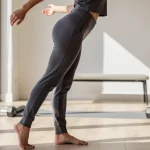
The inclusion of spandex (or elastane) in blends is revolutionary for casual comfort, introducing significant stretch and recovery properties. This allows garments to move with the body, providing unparalleled freedom and maintaining shape throughout the day.
Commonly found in blends with cotton, polyester, or rayon, spandex transforms ordinary fabrics into highly functional materials suitable for active casual wear, travel, and everyday flexibility. Even a small percentage of spandex can dramatically improve a garment’s comfort and fit.
Environmental impact and sustainability in fabric choices
As consumers become more environmentally conscious, the sustainability of fabric choices plays an increasingly significant role in purchasing decisions. This extends beyond the initial production of fibers to the entire lifecycle of a garment, from manufacturing processes to end-of-life disposal.
Both cotton and blended fabrics present unique challenges and opportunities in the realm of sustainability. The industry is responding with innovations in organic farming, recycling technologies, and responsible manufacturing practices, all aimed at reducing the ecological footprint of casual wear.
Sustainable cotton initiatives
While conventional cotton production can be resource-intensive, significant efforts are underway to make it more sustainable. Organic cotton, BCI (Better Cotton Initiative) cotton, and recycled cotton are gaining traction, offering more eco-friendly alternatives without compromising comfort.
These initiatives focus on reducing water usage, eliminating harmful pesticides, and promoting fair labor practices. Choosing sustainably sourced cotton allows consumers to enjoy the natural benefits of the fiber with a clearer conscience regarding its environmental and social impact.
Recycled and innovative blended materials
The development of recycled polyester, nylon, and other synthetic fibers from post-consumer waste is a game-changer for blended fabrics. This reduces reliance on virgin resources and diverts waste from landfills.
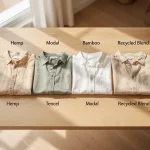
Furthermore, new bio-based synthetics and innovative blends incorporating materials like hemp or Tencel (lyocell) are emerging, offering performance benefits with a reduced environmental footprint. These advancements point towards a future where high-performance casual wear can also be highly sustainable.
Making informed choices for casual comfort in 2026
Navigating the vast array of fabric options for casual wear in 2026 requires understanding personal needs and prioritizing specific attributes. Whether the preference leans towards the natural feel of cotton or the enhanced performance of blends, an informed decision leads to greater satisfaction and comfort.
Consider the climate, your typical activities, and your personal values regarding sustainability when selecting garments. The ideal fabric choice is a personal one, but armed with knowledge, consumers can confidently choose materials that best support their lifestyle and comfort preferences.
Considering personal lifestyle and climate
Your daily routine and local climate are crucial factors in fabric selection. For hot, humid environments or active lifestyles, moisture-wicking blends or lightweight cotton might be preferable. In contrast, for cooler climates or less active days, heavier cotton or blends designed for insulation could be more suitable.
Climate compatibility: Match fabric properties to local weather conditions.
Activity level: Choose performance blends for active use, natural fibers for relaxation.
Skin sensitivities: Hypoallergenic cotton might be better for sensitive skin.
Understanding how different fabrics interact with your body and environment ensures that your casual wear truly enhances your comfort throughout the day, rather than becoming a source of discomfort.
The future of casual fabrics: trends and innovations
The future of casual fabrics is dynamic, with ongoing research and development focusing on smart textiles, enhanced sustainability, and further performance optimization. Expect to see more fabrics with integrated technologies, self-cleaning properties, and advanced temperature regulation.
The trend towards circular fashion will also drive innovation in recycling and upcycling, making both cotton and blended fabrics more sustainable throughout their entire lifecycle. Consumers in 2026 will have access to an even broader range of choices, allowing for highly personalized and responsible casual comfort.
Key Fabric Type
Primary Benefits for Casual Comfort
100% Cotton
Natural softness, excellent breathability, hypoallergenic, ideal for everyday wear in moderate climates.
Cotton-Polyester Blends
Combines cotton’s comfort with polyester’s durability, wrinkle resistance, and quick-drying properties; very versatile.
Cotton-Modal/Rayon Blends
Luxurious softness, enhanced drape, and vibrant color retention, offering a premium feel for casual items.
Performance Blends (with Spandex)
Superior stretch and shape retention, excellent for active lifestyles, ensuring freedom of movement and lasting fit.
Frequently asked questions about casual fabric choices
Why is cotton often considered the benchmark for casual comfort?▼
Cotton is widely regarded as the benchmark due to its natural softness, excellent breathability, and hypoallergenic properties. It feels gentle against the skin and allows for good air circulation, making it comfortable for extended wear in various conditions, especially in moderate climates.
What are the main advantages of blended fabrics over 100% cotton?▼
Blended fabrics often offer enhanced durability, wrinkle resistance, faster drying times, and improved stretch. By combining different fibers, blends can mitigate the weaknesses of single-fiber fabrics, providing specialized performance characteristics like moisture-wicking for active wear.
How do cotton-polyester blends balance comfort and practicality?▼
Cotton-polyester blends strike a balance by offering the softness and breathability of cotton with the strength, wrinkle resistance, and shape retention of polyester. This combination makes them highly practical for everyday casual wear, requiring less maintenance and offering greater longevity.
Are sustainable fabric choices becoming more important in casual wear?▼
Yes, sustainability is increasingly crucial. Consumers are seeking eco-friendly options like organic cotton, recycled synthetics, and innovative bio-based blends. Brands are responding by adopting sustainable production practices to reduce environmental impact, reflecting a growing consumer demand for ethical fashion.
What should I consider when choosing between cotton and blends for casual clothing?▼
When choosing, consider your lifestyle, local climate, and personal preferences. Cotton is great for breathability and softness, while blends excel in durability, stretch, and specific performance needs. Your activities and desired level of maintenance should guide your decision for optimal comfort.
Conclusion
The choice between cotton and blended fabrics for casual comfort in 2026 is not a matter of one being inherently superior, but rather about understanding the nuanced benefits each offers. Cotton continues to be a beloved staple due to its natural breathability and softness, providing a timeless sense of ease. However, the continuous innovation in blended fabrics presents compelling alternatives, offering enhanced durability, stretch, and specialized performance features that cater to the dynamic demands of modern life. As sustainability becomes an ever-present consideration, both categories are evolving with more eco-conscious options. Ultimately, making an informed decision involves weighing personal comfort preferences, lifestyle requirements, and environmental values, ensuring that your casual wardrobe truly supports your well-being and aligns with a conscious approach to fashion.