Comfort Core Trend: Why Relaxed Silhouettes Dominate 2026 Casual Wear
Advertisements
The ‘comfort core’ trend is defining 2026 casual fashion by prioritizing relaxed silhouettes in 90% of new collections, driven by evolving consumer demands for comfort, versatility, and conscious consumption.
The fashion landscape is perpetually shifting, yet some movements leave an indelible mark. In 2026, the rise of the ‘comfort core’ trend has become undeniable, with an astonishing 90% of new casual collections prioritizing relaxed silhouettes. This isn’t just a fleeting fad; it’s a fundamental recalibration of what consumers value in their everyday attire. We’re witnessing a profound shift towards clothing that marries effortless style with unparalleled ease, transforming how we perceive and interact with our wardrobes.
Advertisements
The genesis of ‘comfort core’: a post-pandemic evolution
The roots of the ‘comfort core’ trend are deeply intertwined with global shifts experienced in recent years. The prolonged periods spent at home fostered a newfound appreciation for comfort, blurring the lines between loungewear and everyday clothing. This experience fundamentally altered consumer expectations, making restrictive or overly formal attire feel increasingly anachronistic.
As life resumed a more public pace, the desire for comfort didn’t dissipate; instead, it evolved. People sought garments that offered the same feeling of ease as their loungewear but were polished enough for various social and professional settings. This evolution gave birth to ‘comfort core,’ a philosophy that places well-being and practicality at the heart of design.
From loungewear to lifestyle wear
- Hybrid functionality: Garments designed for both relaxation and public appearance.
- Material innovation: Focus on soft, breathable, and durable fabrics.
- Versatile styling: Pieces that can be dressed up or down with minimal effort.
This transition signifies more than just a preference for loose clothing; it reflects a broader lifestyle change. Consumers are investing in wardrobes that support their dynamic lives, offering adaptability without sacrificing personal style. The focus is now on clothing that moves with you, not against you, reflecting a holistic approach to well-being.
Defining relaxed silhouettes: more than just oversized
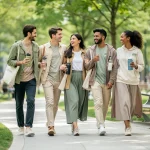
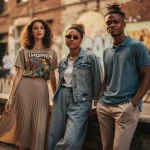
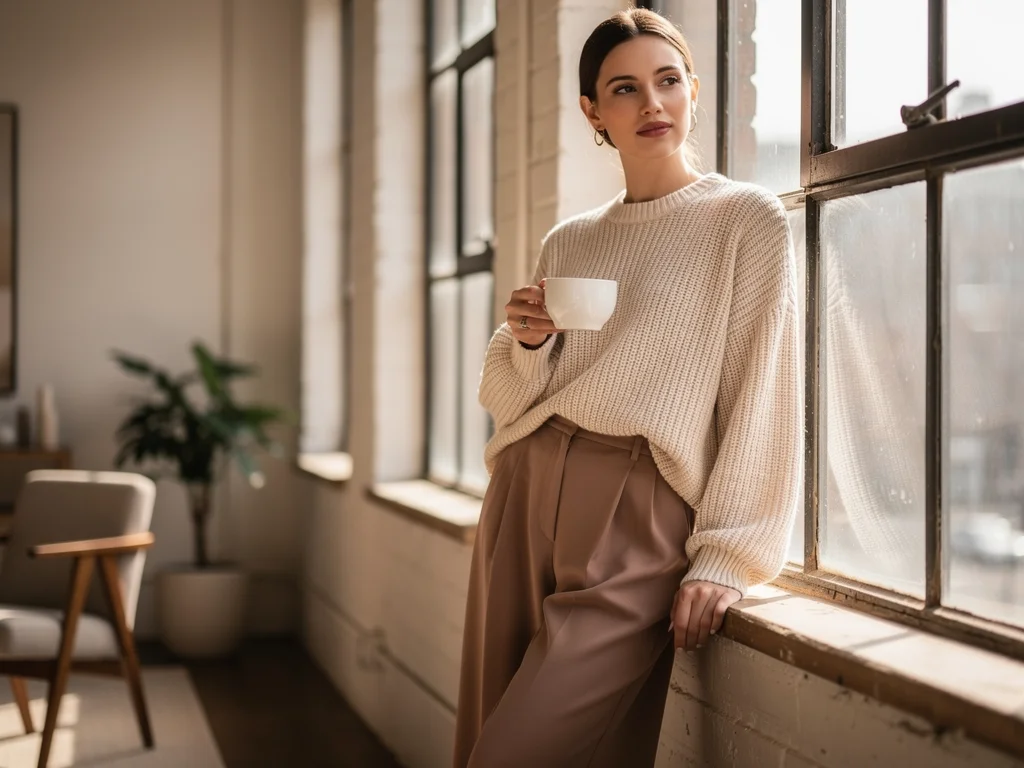
When we talk about relaxed silhouettes, it’s crucial to understand that this goes far beyond simply sizing up. It’s about intentional design, thoughtful draping, and a mastery of proportion that creates an aesthetic of effortless elegance rather than sloppiness. These garments are constructed to offer freedom of movement and a flattering fit for diverse body types.
Designers are meticulously crafting pieces with strategic volume, soft shoulders, wider leg openings, and flowing fabrics. The aim is to create an air of understated sophistication, where comfort is an inherent quality of the garment, not an afterthought. This nuanced approach ensures that relaxed does not equate to shapeless, but rather to a refined sense of ease.
Key characteristics of relaxed designs
- Fluid fabrics: Materials like Tencel, modal, linen blends, and soft cottons that drape beautifully.
- Strategic volume: Carefully placed pleats, gathers, and cuts that add comfort without bulk.
- Unstructured tailoring: Blazers and coats with softer shoulders and less rigid construction.
The beauty of these silhouettes lies in their versatility. A well-designed relaxed piece can transition seamlessly from a casual daytime outing to a more formal evening event with the right accessories. This adaptability is a cornerstone of the ‘comfort core’ trend, meeting the demands of a modern consumer who values efficiency and multi-functionality in their wardrobe choices.
The psychological impact: comfort as a form of empowerment
The embrace of ‘comfort core’ extends beyond mere aesthetics; it taps into a deeper psychological need for well-being and authenticity. Wearing comfortable clothing can positively influence mood, reduce stress, and foster a sense of calm. When we feel physically at ease, our mental state often follows suit, leading to increased confidence and focus.
This trend empowers individuals to prioritize their comfort without compromising their style. It’s a rejection of the notion that fashion must be restrictive or uncomfortable to be chic. Instead, ‘comfort core’ suggests that true elegance stems from feeling good in what you wear, allowing your personality to shine through uninhibitedly. It fosters a sense of self-acceptance and genuine expression.
Redefining professional and social attire
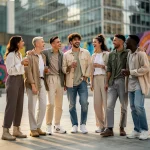
The boundaries of what is considered appropriate for various settings are continually being redefined. Offices are increasingly adopting more flexible dress codes, and social gatherings often lean towards a relaxed elegance. The ‘comfort core’ trend perfectly aligns with these shifts, offering stylish solutions that fit a broader spectrum of occasions.
- Workplace adaptability: Blending professional polish with ergonomic comfort.
- Social ease: Clothing that encourages relaxation and genuine interaction.
- Personal expression: Freedom to choose comfort without sacrificing individuality.
This widespread acceptance of relaxed silhouettes in both professional and social spheres underscores a collective desire for a more authentic and less performative way of dressing. It’s about feeling confident and comfortable in your own skin, which ultimately translates into a more positive and productive presence in any environment.
Sustainability and ethical considerations driving the trend
The ‘comfort core’ trend is not merely about personal comfort; it also strongly resonates with growing consumer awareness regarding sustainability and ethical production. Relaxed silhouettes often imply less complicated construction, potentially leading to reduced waste in the manufacturing process. Furthermore, the emphasis on quality, durable fabrics encourages a move away from fast fashion’s disposable mentality.
Consumers are increasingly scrutinizing where and how their clothes are made, favoring brands that demonstrate transparency and a commitment to environmental and social responsibility. Garments that are designed to last, are versatile, and made from sustainable materials align perfectly with the ‘comfort core’ ethos. This trend supports a more mindful approach to consumption, where each purchase is considered an investment.
The role of conscious consumption
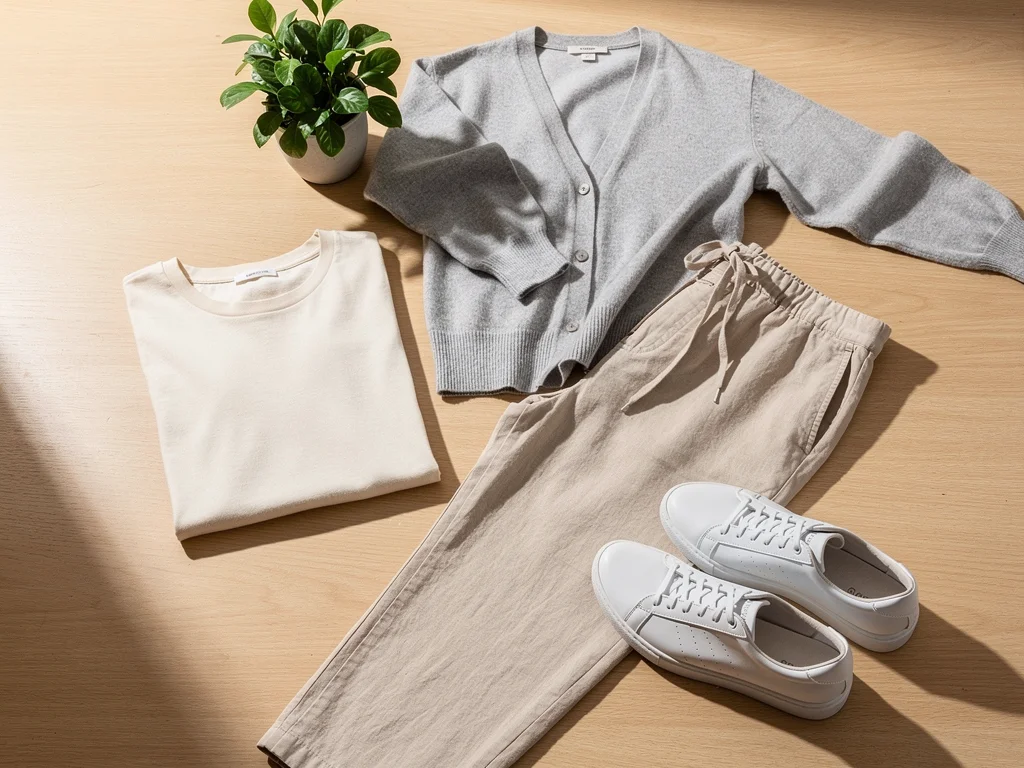
The demand for eco-friendly fabrics and ethical labor practices is pushing brands to innovate. Organic cotton, recycled materials, linen, hemp, and Tencel are becoming staples in ‘comfort core’ collections, chosen for their environmental benefits and luxurious feel. This shift reflects a desire for products that not only feel good to wear but also align with personal values.
- Eco-friendly materials: Prioritizing organic, recycled, and sustainably sourced fabrics.
- Longevity and durability: Investing in well-made pieces that stand the test of time.
- Ethical production: Supporting brands with transparent supply chains and fair labor practices.
By choosing ‘comfort core’ pieces, consumers are actively participating in a movement towards a more sustainable fashion industry. They are opting for quality over quantity, versatility over fleeting trends, and conscious choices over impulsive purchases. This trend signifies a deeper commitment to a wardrobe that reflects both personal comfort and global responsibility.
Key pieces and how to embrace the ‘comfort core’ aesthetic
Embracing the ‘comfort core’ trend doesn’t require a complete wardrobe overhaul; it’s about integrating key pieces that embody its principles. The foundation lies in selecting garments that offer both comfort and style, focusing on quality fabrics and versatile designs. The goal is to build a cohesive wardrobe that feels luxurious, yet effortless, for any casual occasion.
Think about pieces that allow for layering and can be mixed and matched easily. Neutral color palettes often dominate ‘comfort core’ collections, as they enhance versatility and create a serene, sophisticated aesthetic. However, pops of color or subtle patterns can be introduced to express individuality without compromising the overall relaxed vibe.
Essential ‘comfort core’ garments
- Wide-leg trousers: Offering freedom of movement and a chic, flowing silhouette.
- Oversized knitwear: Soft sweaters and cardigans that provide warmth and comfort without bulk.
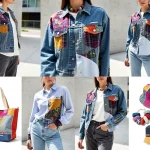
- Relaxed fit denim: Jeans that prioritize comfort with a looser cut, moving away from skinny styles.
- Flowy dresses and skirts: Made from breathable fabrics, perfect for effortless elegance.
- Soft structured blazers: Unlined or lightly lined blazers that add polish without rigidity.
When styling ‘comfort core’ looks, the emphasis is on balance. Pair an oversized top with more fitted (but still comfortable) bottoms, or a relaxed dress with minimalist accessories. The key is to achieve a harmonious look that feels put-together yet utterly comfortable, reflecting the ease and confidence that the trend champions.
The future of casual wear: ‘comfort core’ as a lasting influence
The sheer dominance of ‘comfort core’ in 2026 casual collections suggests this is more than just a passing trend; it’s a fundamental shift in fashion’s trajectory. Its principles of comfort, versatility, sustainability, and psychological well-being resonate deeply with modern consumers, ensuring its lasting influence on how we dress. This trend marks a maturation of casual wear, elevating it from mere informality to a sophisticated and intentional lifestyle choice.
As designers continue to innovate with fabrics, cuts, and sustainable practices, the ‘comfort core’ aesthetic will likely evolve, but its core tenets will remain. It represents a collective desire for clothing that supports our lives, rather than dictates them, fostering a more authentic and comfortable approach to personal style. The future of fashion, it seems, is undeniably comfortable.
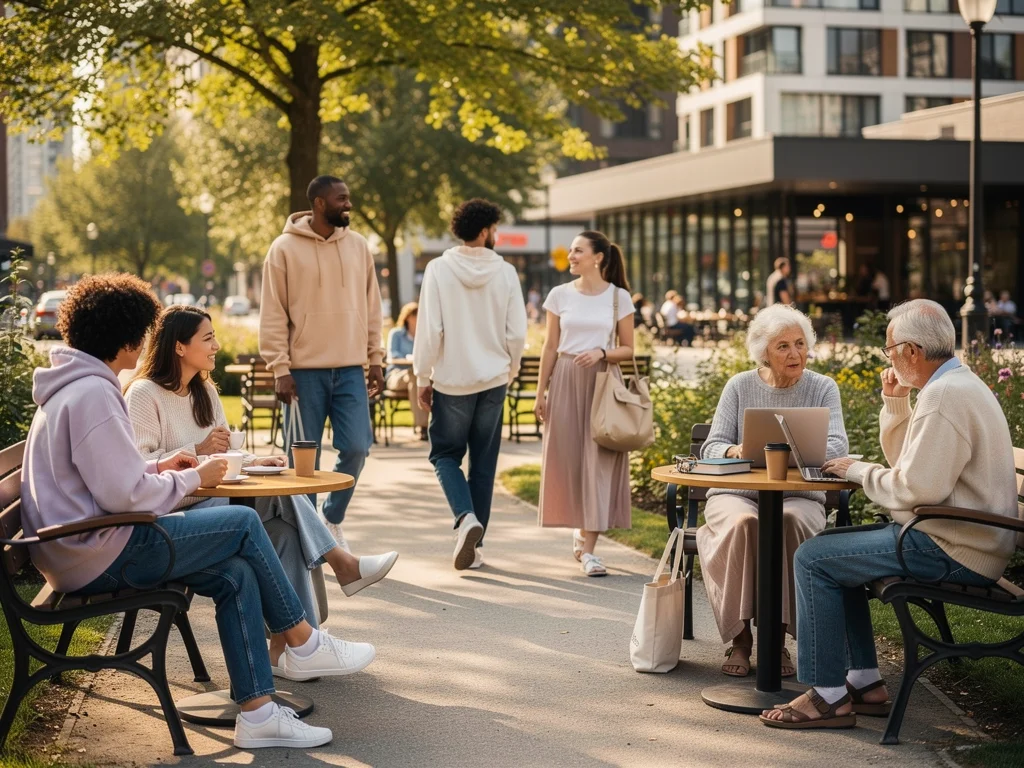
Anticipating further developments
We can expect to see further integration of smart fabrics that offer temperature regulation, moisture-wicking properties, and enhanced durability. The blend of technology and natural fibers will likely become more prevalent, pushing the boundaries of what comfortable clothing can achieve. Furthermore, the trend will continue to inspire gender-neutral designs and inclusive sizing, reflecting a more diverse and accepting fashion landscape.
The ‘comfort core’ trend is a powerful indicator of changing priorities. It signifies a move towards a more human-centric design philosophy, where clothing serves to enhance, rather than hinder, our daily experiences. Its enduring appeal lies in its ability to deliver both practical benefits and emotional satisfaction, making it a cornerstone of contemporary style for years to come.
| Key Aspect | Brief Description |
|---|---|
| Trend Dominance | 90% of 2026 casual collections feature relaxed silhouettes, marking a significant shift. |
| Core Principle | Prioritizes comfort, ease, and versatility without sacrificing style or sophistication. |
| Driving Factors | Post-pandemic lifestyle changes, psychological well-being, and demand for sustainability. |
| Impact on Fashion | Redefining casual and even professional dress codes, fostering conscious consumption. |
Frequently asked questions about the ‘comfort core’ trend
The ‘comfort core’ trend is a fashion philosophy prioritizing relaxed, easy-to-wear silhouettes and comfortable fabrics. It blends loungewear’s ease with everyday style, focusing on versatility and well-being. It’s about intentional design that offers freedom of movement and a sophisticated, effortless look, rather than just oversized clothing.
Its prevalence stems from post-pandemic shifts in consumer priorities, emphasizing comfort and practicality. This trend aligns with a desire for versatile clothing suitable for various settings, from remote work to social outings. It also reflects a growing demand for sustainable and ethically produced fashion that feels good to wear.
Unlike merely oversized garments, ‘comfort core’ silhouettes are meticulously designed with strategic volume and thoughtful draping. They aim for an aesthetic of refined ease, ensuring a flattering fit and elegant flow, not just extra fabric. The focus is on intentional construction that provides comfort without appearing sloppy or unkempt.
Key pieces include wide-leg trousers, oversized knitwear, relaxed-fit denim, and flowing dresses made from soft, breathable fabrics. Soft-structured blazers also fit the aesthetic by offering polish without rigidity. The emphasis is on versatile items that can be easily mixed, matched, and layered for various comfortable yet stylish looks.
Yes, ‘comfort core’ strongly aligns with sustainability by promoting durable, quality garments made from eco-friendly materials like organic cotton, linen, and Tencel. It encourages conscious consumption, moving away from fast fashion towards investment pieces. This focus on longevity and ethical production reduces waste and supports responsible practices.
Conclusion
The ‘comfort core’ trend represents a significant and enduring evolution in fashion, deeply rooted in a collective desire for authenticity, well-being, and mindful consumption. Its dominance in 2026 casual collections is a clear indicator that comfort and style are no longer mutually exclusive but are, in fact, integral components of modern dressing. This trend not only reshapes our wardrobes with relaxed silhouettes and versatile pieces but also encourages a more considered approach to fashion, where personal comfort and ethical choices go hand in hand. As we move forward, the principles of ‘comfort core’ are poised to continue influencing design, fabric innovation, and consumer behavior, solidifying its place as a cornerstone of contemporary style.
Related Posts: