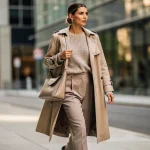
Mastering Casual Layering for Winter 2026: Warmth & Style
Mastering casual layering for Winter 2026 involves strategic fabric choices, smart silhouette combinations, and mindful accessory integration to achieve both optimal warmth and effortless style in your everyday ensembles.
Por: Maria Eduarda em 15 de abril de 2026
Última atualização em: 26 de junho de 2026
Advertisements
Mastering casual layering for Winter 2026 involves strategic fabric choices, smart silhouette combinations, and mindful accessory integration to achieve both optimal warmth and effortless style in your everyday ensembles.
As the chill of Winter 2026 settles in, the art of dressing warmly without sacrificing style becomes paramount. This season, mastering casual layering for Winter 2026: 3 key techniques for warmth and style is not just about piling on clothes; it’s a thoughtful process of combining textures, silhouettes, and functions to create cohesive, comfortable, and fashion-forward looks.
Advertisements
Understanding the Foundation: The Base Layer’s Crucial Role
The journey to effective casual layering begins with a strong foundation: the base layer. Often overlooked, this initial layer directly against your skin is critical for regulating body temperature and wicking away moisture. Selecting the right base layer can make or break your comfort throughout the day, especially when transitioning between indoor and outdoor environments.
For Winter 2026, advancements in fabric technology mean base layers are more efficient and comfortable than ever. Gone are the days of itchy wool; modern innovations offer incredible performance without stiffness or bulk. Focusing on quality in this foundational piece ensures that your entire layered outfit functions optimally.
Choosing the Right Materials for Optimal Warmth
When it comes to base layers, material selection is key. Natural fibers like merino wool continue to be a top choice due to their exceptional thermal regulation properties and natural odor resistance. Synthetic options, such as polyester blends, also offer excellent moisture-wicking capabilities, making them ideal for more active days.
Merino Wool: Known for its softness, breathability, and ability to insulate even when damp.
Synthetic Blends: Lightweight, quick-drying, and often more durable, perfect for high-energy activities.
Silk: A luxurious option, offering lightweight warmth and a smooth feel, best for less strenuous occasions.
The thickness of your base layer should also be considered. Lightweight options are suitable for mild winter days or as a first layer under multiple pieces, while mid-weight versions provide more substantial warmth for colder conditions. Heavyweight base layers are reserved for extreme cold, offering maximum insulation.
Ultimately, the base layer sets the stage for comfort and warmth. Investing in high-quality, performance-oriented materials will ensure that you stay dry, warm, and comfortable, no matter what the winter day brings. This strategic choice is the first step in truly mastering casual layering for Winter 2026.
The Mid-Layer: Adding Insulation and Defining Your Silhouette
Once your base layer is in place, the mid-layer steps in to provide crucial insulation and begin to define the aesthetic of your casual outfit. This is where you can truly start to play with textures, colors, and varying levels of warmth. The mid-layer is perhaps the most versatile component of your layered ensemble, allowing for significant personalization and adaptation to changing temperatures.
In Winter 2026, the trend leans towards functional yet stylish mid-layers that can stand alone indoors or integrate seamlessly under an outer shell. Think about pieces that offer both comfort and a touch of sartorial flair, moving beyond purely utilitarian considerations.
Popular Mid-Layer Choices for 2026
The options for mid-layers are extensive, each offering distinct advantages. The key is to select pieces that complement your base layer and outer shell while providing the necessary warmth without adding excessive bulk.
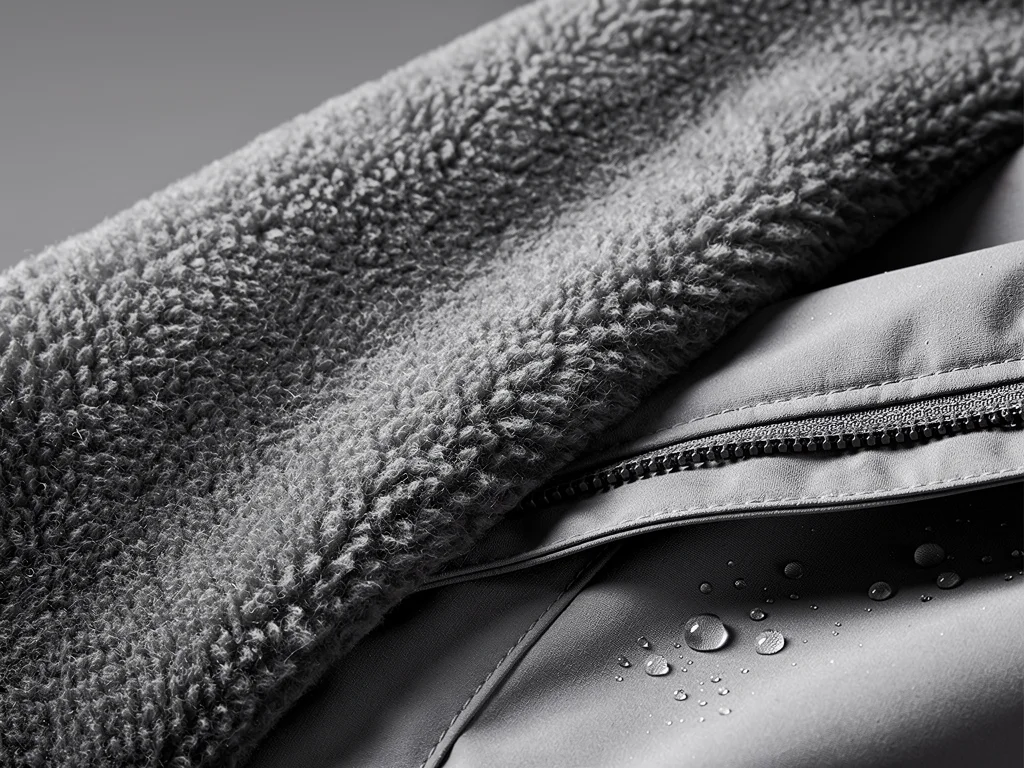
Fleece Jackets/Pullover: Excellent for warmth-to-weight ratio, quick-drying, and comfortable.
Knit Sweaters: Ranging from fine-gauge merino to chunky cable knits, they add texture and classic style.
Cardigans: Offer easy adjustability, perfect for transitional periods or fluctuating indoor temperatures.
Lightweight Down Vests: Provide core warmth without restricting arm movement, ideal for active wear.
Consider how different textures interact. A smooth base layer under a textured knit sweater creates visual interest, while a fleece mid-layer offers a cozy contrast to a more structured outer jacket. Don’t shy away from mixing and matching materials to achieve a dynamic look.
The mid-layer is also your opportunity to introduce color and pattern into your outfit. While base layers are often neutral, your mid-layer can be a statement piece that reflects your personal style. By carefully selecting your mid-layers, you not only enhance warmth but also elevate the overall aesthetic of your casual winter ensemble.
The Outer Shell: Protection, Style, and Weather Resistance
The outermost layer, or outer shell, serves as your primary defense against the elements while also being the most visible component of your layered look. For Winter 2026, the outer shell is expected to be both highly functional and fashion-forward, offering protection from wind, snow, and rain without compromising on style. Its role is to encapsulate the warmth generated by your base and mid-layers, creating a protective barrier against the harsh winter environment.
Choosing the right outer shell involves balancing practical needs with aesthetic preferences. This piece often represents the largest investment in your winter wardrobe, so durability, versatility, and timeless appeal are crucial considerations.
Key Features of an Effective Outer Shell
Modern outer shells come equipped with a range of features designed to enhance comfort and performance. Understanding these can help you select a jacket that perfectly suits your winter activities and style.
Waterproof/Water-Resistant: Essential for keeping you dry in snow or rain. Look for materials with GORE-TEX or similar technologies.
Windproof: Critical for preventing heat loss in blustery conditions.
Breathability: Allows moisture vapor to escape, preventing you from feeling clammy during exertion.
Insulation: Some outer shells come with built-in insulation (e.g., down, synthetic fill), while others are purely shells designed to be layered over warm mid-layers.
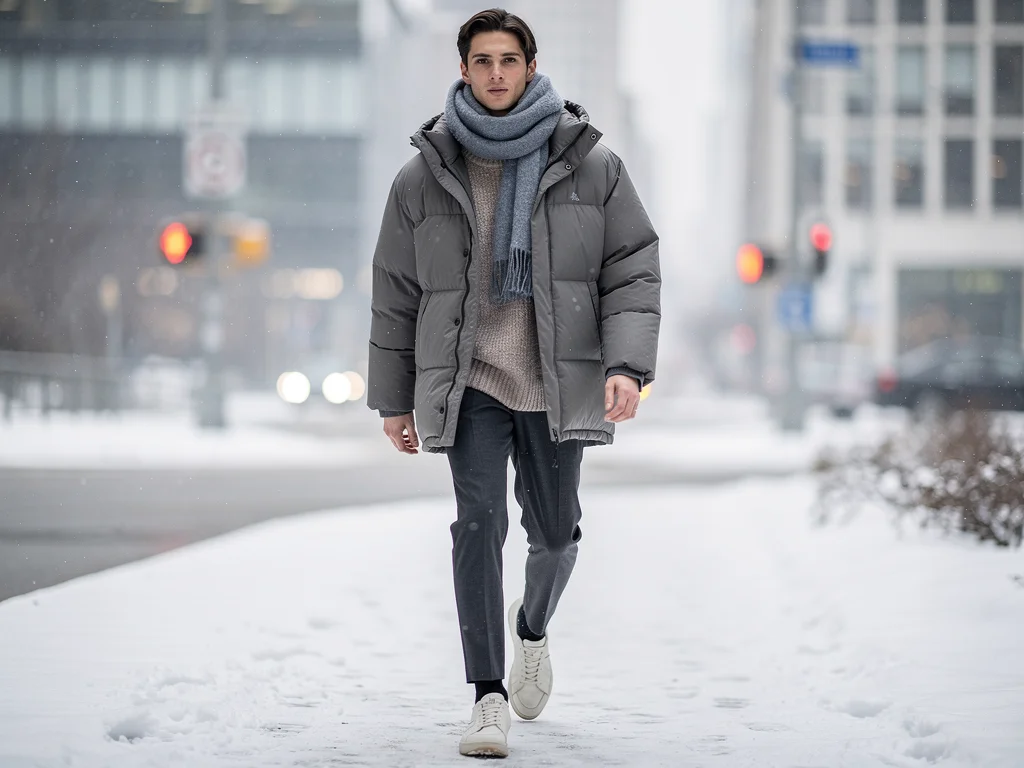
Beyond technical specifications, the silhouette and design of your outer shell contribute significantly to your overall casual look. Puffer jackets remain a strong trend, offering excellent warmth and a contemporary aesthetic. Parkas provide extended coverage and often feature fur-lined hoods for added protection and style. For a more streamlined look, consider a technical shell jacket that can be dressed up or down.
The outer shell is your ultimate shield against winter’s bite. By prioritizing both its protective qualities and its aesthetic contribution, you ensure that your layered outfit is not only warm and comfortable but also stylish and appropriate for any casual occasion in Winter 2026.
Strategic Silhouette Play: Balancing Proportions in Layers
One of the most sophisticated aspects of mastering casual layering for Winter 2026 is understanding how to manipulate silhouettes and proportions. Simply stacking clothes can lead to a bulky, shapeless look. The goal is to create visual interest and a flattering profile, even with multiple layers. This involves thoughtful consideration of the fit and length of each garment, ensuring they work harmoniously rather than competing.
Achieving a balanced silhouette often means playing with contrasts: pairing a fitted base layer with a slightly looser mid-layer, or a voluminous outer coat with more streamlined pieces underneath. This interplay prevents your outfit from appearing overly heavy or cumbersome.
Creating Visual Interest with Varying Lengths and Fits
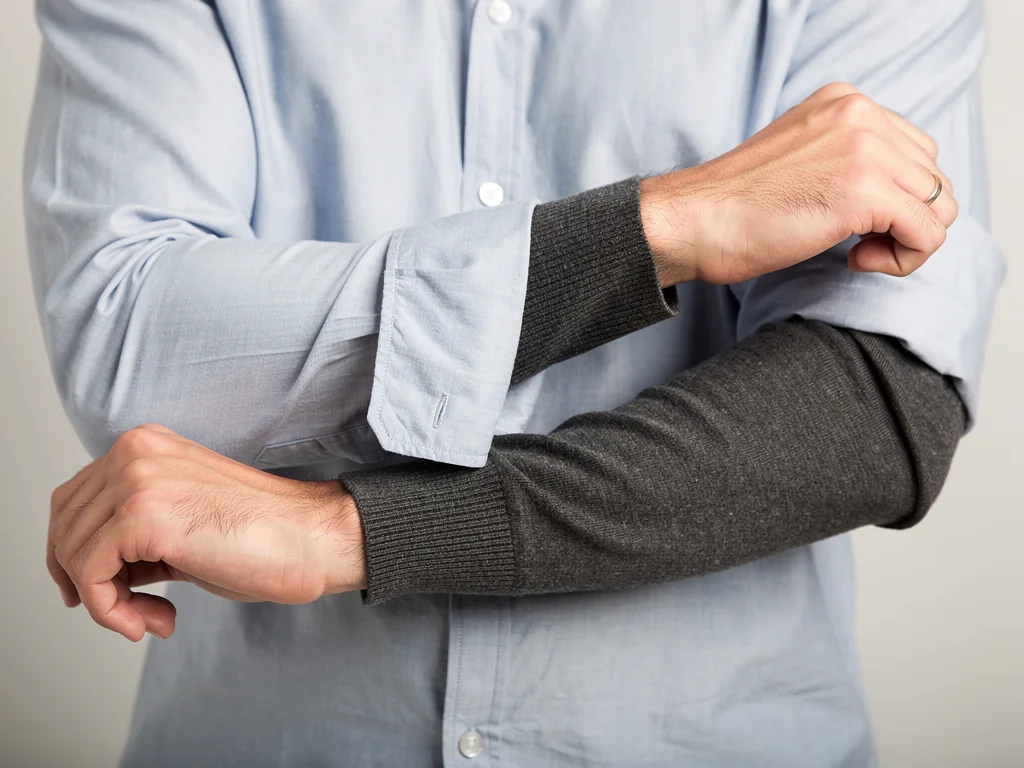
The key to dynamic layering lies in varying the lengths and fits of your garments. This technique adds depth and avoids a monolithic appearance. For instance, a longer tunic-style base layer peeking out from under a shorter sweater and jacket creates an intentional, stylish line.
Fitted Base, Looser Mid: Start with a snug base layer for warmth, then add a more relaxed-fit sweater or flannel shirt.
Varying Hemlines: Allow different layers to show at the hem, creating visual breaks and adding dimension.
Structured vs. Draped: Combine structured pieces (like a denim jacket as a mid-layer) with softer, draped fabrics (like a cashmere sweater) for textural contrast.
Don’t forget the power of a well-chosen belt. Even over a chunky knit, a belt can cinch the waist, defining your figure and preventing a boxy look. This small detail can significantly impact the overall silhouette of your layered outfit, especially when wearing longer cardigans or oversized sweaters.
Mastering silhouette play ensures that your layered ensembles are not only warm but also aesthetically pleasing and flattering. It’s about creating a cohesive look where each piece contributes to the overall shape and flow, elevating your casual winter style.
Accessorizing for Warmth and Personal Flair
No casual winter layered look is complete without the right accessories. Beyond their practical function of providing additional warmth, accessories are powerful tools for injecting personal style, adding pops of color, and completing an outfit. For Winter 2026, accessories are an integral part of the layering strategy, offering both functional benefits and aesthetic enhancements.
From chunky scarves to stylish beanies and durable gloves, each accessory plays a role in both your comfort and your overall look. Thoughtful selection of these smaller pieces can dramatically elevate an otherwise simple layered outfit, making it uniquely yours.
Essential Winter Accessories and How to Style Them
Choosing accessories that complement your layered ensemble is crucial. Consider the colors, textures, and overall vibe of your outfit when making your selections. Accessories should enhance, not detract from, your main pieces.
Scarves: A versatile accessory, offering warmth for the neck and face. Opt for oversized, chunky knits for a cozy look or a fine wool scarf for a more polished touch.
Hats/Beanies: Essential for retaining body heat. Choose a beanie in a complementary color or a statement piece with a unique texture.
Gloves/Mittens: Protect your hands from the cold. Leather gloves add a touch of sophistication, while knit mittens offer a more casual, playful feel.
Socks: Often overlooked, but crucial for foot warmth. Patterned or textured socks can peek out from boots, adding a subtle detail.
Don’t be afraid to mix and match textures and patterns with your accessories. A solid-colored outfit can be instantly brightened with a patterned scarf, or a neutral beanie can ground a more colorful ensemble. The goal is to create a cohesive yet interesting look that feels authentic to your personal style.
Accessories are the finishing touches that bring your casual layered outfit together. They offer an easy way to experiment with trends, add warmth, and express your individuality, making them an indispensable part of mastering casual layering for Winter 2026.
Practical Tips for All-Day Comfort and Adaptability
While understanding the components of layering is essential, knowing how to practically apply these techniques for all-day comfort and adaptability is what truly sets apart a well-dressed individual. Winter weather in 2026 can be unpredictable, with temperatures fluctuating throughout the day, requiring your outfits to be versatile enough to handle various conditions.
The ability to easily add or remove layers, as well as choosing pieces that transition seamlessly between different environments, is key to staying comfortable and stylish. This practical approach to layering ensures that your outfits are not just fashionable but also highly functional.
Making Your Layers Work Throughout the Day
The best layered outfits are those that can be easily adjusted. Think about how each piece can function independently or as part of the whole, allowing you to adapt to temperature changes without a complete wardrobe overhaul.
Easy Removal: Choose outer layers and mid-layers that are easy to take off and carry or store if you get too warm indoors.
Breathable Fabrics: Even in cold weather, breathability is crucial to prevent overheating and sweating, which can lead to a chill later.
Versatile Pieces: Select items that can be worn in multiple scenarios – a cardigan that works under a coat but also looks great on its own.
Consider the weight and bulk of your layers. While warmth is important, an overly bulky outfit can restrict movement and feel uncomfortable. Opt for thinner, high-performance fabrics that offer excellent insulation without excessive volume. This smart selection allows for more layers without feeling cumbersome.
Finally, remember that comfort is paramount. No matter how stylish an outfit is, if it’s not comfortable, you won’t feel confident wearing it. Prioritize pieces that feel good against your skin and allow you to move freely. These practical considerations are vital for truly mastering casual layering for Winter 2026, ensuring you remain both warm and effortlessly chic.
Key Layering Component
Brief Description and Purpose
Base Layer
Directly against skin; wicks moisture and regulates temperature. Essential for initial warmth and comfort.
Mid-Layer
Adds primary insulation over the base layer. Key for warmth and defining the outfit’s aesthetic.
Outer Shell
Protects from elements (wind, snow, rain) and completes the visual style of the layered look.
Accessories
Enhance warmth and add personal flair, completing the outfit with scarves, hats, and gloves.
Frequently Asked Questions About Winter Layering
What are the best fabrics for a base layer in Winter 2026?▼
For Winter 2026, merino wool remains a top choice due to its natural warmth, breathability, and odor resistance. Synthetic blends like polyester are also excellent for moisture-wicking and quick-drying properties, especially for active wear. Silk is a comfortable, lightweight option for less rigorous activities.
How do I avoid looking bulky when layering for winter?▼
To avoid bulk, focus on varying fits and textures. Start with a fitted base, add a slightly looser mid-layer, and finish with an outer shell that has a complementary silhouette. Utilize different hemlines and consider adding a belt over chunkier layers to define your waist. Choose thinner, high-performance fabrics.
Can I use denim as a mid-layer in a casual winter outfit?▼
Yes, a denim jacket or shirt can serve as an excellent mid-layer, especially in milder winter conditions or for adding a touch of casual ruggedness. It provides a structured element and can be worn over a base layer and under a heavier outer coat for added warmth and style. It’s a versatile piece.
What is the role of accessories in a layered winter ensemble?▼
Accessories are crucial for both warmth and style. Scarves, hats, and gloves provide essential protection against the cold, while also allowing you to introduce color, texture, and personal flair to your outfit. They can complete a look and make it unique, transforming a simple layered outfit into a statement.
How do I ensure my layered outfit is adaptable for changing temperatures?▼
Ensure adaptability by choosing layers that can be easily added or removed, such as cardigans or zip-up fleeces. Opt for breathable fabrics to prevent overheating, and select versatile pieces that look good both as part of a layered ensemble and on their own. This allows you to adjust to fluctuating temperatures seamlessly.
Conclusion
As we navigate the demands of Winter 2026, the art of casual layering stands out as a fundamental skill for maintaining both comfort and style. By meticulously selecting base layers for thermal regulation, strategically employing mid-layers for insulation and aesthetic depth, and choosing outer shells that offer robust protection and visual impact, you craft an ensemble that is far more than just warm. Integrating thoughtful silhouette play and accessorizing with intention further refines these looks, ensuring that every outfit is a harmonious blend of practicality and personal expression. Embracing these techniques means stepping out confidently, prepared for any weather, and always looking your best.