Gender-Fluid Collections: Major Shifts in Casual Fashion by 2026
Advertisements
By 2026, gender-fluid collections will revolutionize casual fashion through inclusive design, innovative marketing, and a consumer-driven shift towards authenticity, redefining traditional apparel categories for a broader audience.
The fashion landscape is undergoing a profound transformation, with the rise of gender-fluid casual fashion leading the charge. This isn’t merely a fleeting trend; it’s a fundamental recalibration of how we perceive, design, and market clothing. By 2026, we anticipate three major shifts that will solidify gender-fluid collections as a cornerstone of the casual wear industry. These changes reflect a deeper societal movement towards inclusivity and personal expression, challenging established norms and paving the way for a more diverse and authentic sartorial future.
redefining design aesthetics: beyond binary boundaries
The first significant shift in gender-fluid casual fashion by 2026 will be a complete re-evaluation of design aesthetics, moving decisively beyond traditional binary boundaries. This involves more than just offering traditionally masculine styles to women or vice-versa; it’s about crafting garments that inherently transcend gendered associations, focusing instead on universal appeal, comfort, and adaptable functionality.
Designers are increasingly embracing silhouettes that are neither overtly masculine nor feminine. This approach prioritizes relaxed fits, versatile cuts, and a fluidity that allows individuals to interpret and wear pieces in a way that aligns with their personal style, irrespective of gender. The emphasis shifts from conforming to an external ideal to empowering individual expression.
the rise of universal silhouettes
Universal silhouettes are becoming the bedrock of gender-fluid design. These designs often feature clean lines, oversized or relaxed fits, and adaptable elements that can be styled in multiple ways. The focus is on comfort and freedom of movement, recognizing that these qualities are desired by all.
- Relaxed-fit trousers: Moving away from restrictive tailoring, embracing comfort.
- Oversized knitwear: Providing warmth and style for all body types.
- Unstructured jackets: Versatile layering pieces that defy traditional gendered tailoring.
- Convertible garments: Pieces that can be worn in multiple ways, increasing adaptability.
The color palettes and fabric choices also play a crucial role in this aesthetic shift. While traditional gendered fashion often relies on distinct color associations (e.g., blue for boys, pink for girls), gender-fluid collections embrace a broader spectrum. Neutral tones like grays, beiges, whites, and blacks remain popular for their versatility, but they are increasingly complemented by rich, earthy tones, muted pastels, and even vibrant, non-gendered hues. Fabric innovation also contributes, with an emphasis on soft, durable, and comfortable materials that feel good against the skin for anyone wearing them.
This redefinition of design aesthetics is not just about broader appeal; it’s about a deeper understanding of human diversity. It acknowledges that fashion should serve the individual, not the other way around. The industry is learning to listen to consumer demands for clothing that feels authentic and allows for genuine self-expression, fostering a more inclusive and less restrictive approach to casual wear.
innovative marketing strategies: authentic representation
The second major shift in gender-fluid casual fashion by 2026 will manifest in profoundly innovative marketing strategies, moving towards authentic representation that resonates deeply with a diverse consumer base. Gone are the days of rigid, gender-specific advertising; brands are now embracing campaigns that celebrate individuality and challenge traditional norms, recognizing that authenticity drives engagement.
This shift involves a conscious move away from stereotypical portrayals of masculinity and femininity. Instead, marketing efforts will focus on showcasing individuals from all walks of life, expressing themselves freely through their clothing. The narratives will center on comfort, versatility, and personal style, rather than prescriptive gender roles. This approach not only broadens appeal but also builds stronger, more loyal connections with consumers who feel seen and understood.
inclusive campaign imagery
Campaign imagery is at the forefront of this revolution. Brands are actively casting diverse models who represent a wide spectrum of gender identities, body types, and ethnicities. The goal is to create visuals that reflect the real world, where gender expression is fluid and varied.
- Non-binary models: Featuring individuals who identify outside the traditional gender binary.
- Diverse body types: Showcasing clothing on various shapes and sizes to emphasize universal fit.
- Real-life scenarios: Depicting people wearing the clothes in everyday, authentic situations.
- Collaborations with LGBTQ+ influencers: Partnering with voices that genuinely embody gender fluidity.
Beyond imagery, the language used in marketing is also evolving. Terms like “unisex” are being replaced or augmented by more nuanced phrases like “gender-neutral,” “gender-expansive,” or simply descriptions that focus on the garment’s features rather than its intended wearer. This careful choice of language helps to dismantle preconceived notions and invite everyone to explore the collections without feeling constrained by labels.
Digital platforms and social media are pivotal in disseminating these new marketing messages. Brands are leveraging platforms like Instagram, TikTok, and YouTube to create engaging, interactive content that encourages dialogue and community building around gender-fluid fashion. User-generated content, where individuals share their unique styling of gender-fluid pieces, becomes a powerful testament to the authenticity and versatility of these collections. This participatory approach not only amplifies reach but also reinforces the idea that fashion is a tool for self-expression, not conformity.
supply chain and sizing innovation: universal fit for all
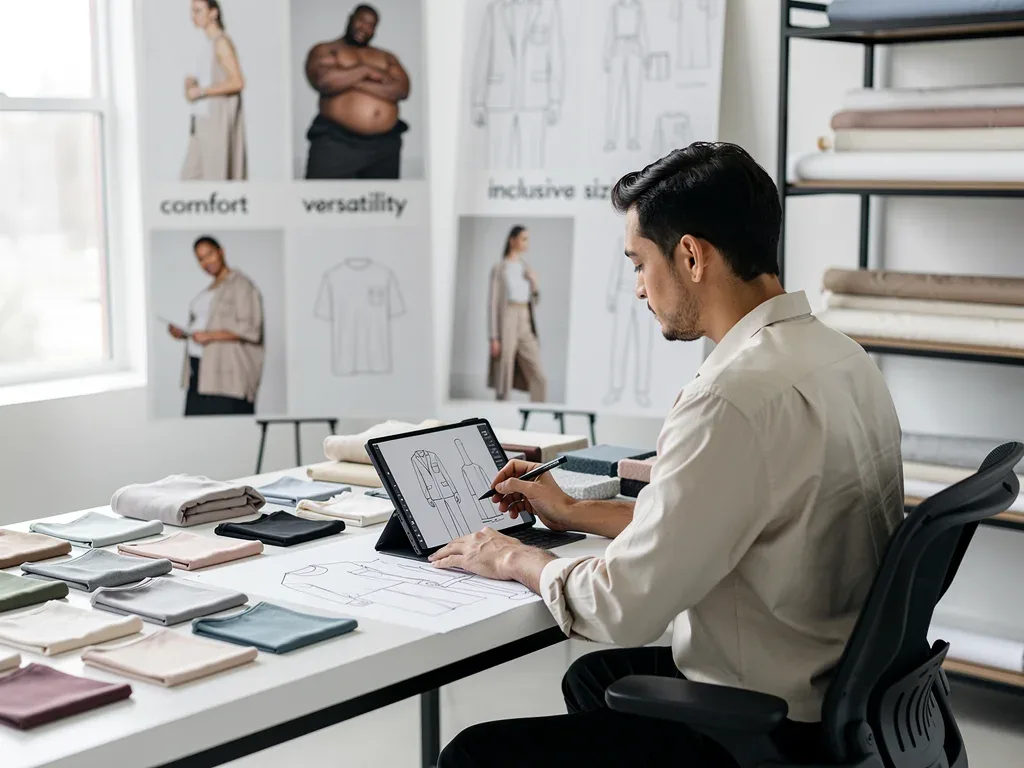
The third fundamental shift impacting gender-fluid casual fashion by 2026 will be the profound innovation within supply chains and sizing, aimed at achieving a truly universal fit for all. The traditional fashion industry’s reliance on separate men’s and women’s sizing charts is becoming obsolete in the face of demand for inclusive apparel. Brands are now investing in research and development to create sizing systems that accommodate a broader range of body types and preferences, ensuring that gender-fluid garments are accessible and comfortable for everyone.
This shift requires a rethinking of pattern making, garment construction, and even fabric sourcing. The goal is to minimize the need for gender-specific alterations, providing a more streamlined and satisfying experience for consumers. It’s about creating clothes that drape well on diverse physiques, allowing individuals to choose sizes based on their actual body measurements and desired fit, rather than arbitrary gendered labels.
modular design and adaptable components
Modular design principles are gaining traction, allowing for garments to have adaptable components. This means features like adjustable waistbands, customizable sleeve lengths, or convertible elements that can be modified to suit individual needs and preferences. Such innovations empower wearers to personalize their fit and style.
- Adjustable waistbands: Ensuring comfort across different hip-to-waist ratios.
- Drawstrings and toggles: Allowing for personalized fit adjustments.
- Stretch fabrics: Accommodating a wider range of body shapes within a single size.
- Proportional sizing: Developing size charts that consider various body dimensions, not just a single measurement.
Furthermore, the supply chain itself is evolving to support these changes. Manufacturers are adapting their production lines to handle more varied patterns and fewer gender-specific distinctions. This can lead to greater efficiency and reduced waste, as the focus shifts from producing two distinct lines (men’s and women’s) to a single, more versatile collection. The emphasis on sustainable and ethical sourcing also aligns with the values of many consumers drawn to gender-fluid fashion, who often prioritize conscious consumption.
Technological advancements, such as 3D body scanning and virtual try-on tools, are also playing a significant role in this innovation. These technologies allow brands to gather more precise data on body diversity and to offer personalized recommendations, helping consumers find their ideal fit in gender-fluid garments more easily. This data-driven approach is crucial for developing truly universal sizing systems that move beyond the limitations of traditional models, ensuring that inclusivity is built into the very foundation of the product.
consumer demand and cultural impact: driving the change
The burgeoning consumer demand and profound cultural impact are undeniably driving these transformations in gender-fluid casual fashion. A new generation of consumers, particularly Gen Z and younger millennials, are less bound by traditional gender norms and are actively seeking brands that reflect their values of inclusivity, authenticity, and self-expression. This demographic is not just purchasing clothes; they are making statements about who they are and the world they want to live in.
This shift in consumer mindset is fueled by broader societal conversations around gender identity and fluidity. As these discussions become more prevalent and accepted, so too does the desire for fashion that acknowledges and celebrates this diversity. Consumers are increasingly rejecting products that force them into outdated categories, opting instead for clothing that allows them to move freely between expressions of style without judgment or limitation.
the power of personal expression
Personal expression is paramount for today’s consumers. They view clothing not just as a necessity, but as a powerful tool for identity exploration and communication. Gender-fluid collections provide the perfect canvas for this, offering versatility that allows individuals to curate looks that genuinely represent their inner selves, regardless of societal expectations.
- Identity affirmation: Clothing that aligns with an individual’s internal sense of self.
- Versatile styling: Garments that can be dressed up or down, layered, or combined in unconventional ways.
- Challenging stereotypes: Using fashion to push back against restrictive gender roles.
- Community building: Connecting with others who share similar values through fashion choices.
The cultural impact extends beyond individual choices. Gender-fluid fashion is contributing to a broader deconstruction of gendered marketing and retail spaces. We are beginning to see retailers experiment with non-gendered sections or even entire stores, blurring the lines between traditionally separate departments. This physical manifestation of gender fluidity in retail environments further normalizes and validates the movement, making it more accessible to a wider audience.
Furthermore, social media amplifies this cultural shift. Platforms provide a space for individuals to share their gender-fluid style, inspire others, and build communities. Influencers and everyday users alike contribute to a rich tapestry of diverse fashion expressions, demonstrating the practical application and aesthetic appeal of gender-fluid clothing. This organic, peer-driven endorsement is incredibly powerful, reinforcing the idea that these collections are not just for a niche market but are becoming a mainstream expectation for casual wear.
sustainability and ethics: aligning with conscious consumers
The integration of sustainability and ethical practices is becoming an inseparable component of the gender-fluid casual fashion movement, aligning perfectly with the values of conscious consumers. By 2026, brands that successfully navigate the gender-fluid space will also be those demonstrating a strong commitment to environmental responsibility and fair labor practices. This connection is not coincidental; consumers who embrace fluidity in gender expression often extend that ethos to their consumption habits, prioritizing products that reflect a holistic approach to social and environmental well-being.
The very nature of gender-fluid design, which often emphasizes versatility and timelessness over fleeting trends, inherently supports a more sustainable model. By creating garments that can be worn by anyone, regardless of gender, and styled in multiple ways, brands encourage consumers to invest in fewer, higher-quality pieces that have a longer lifespan. This directly combats the fast fashion cycle, reducing waste and overconsumption.
eco-conscious material choices
Eco-conscious material choices are paramount. Brands are increasingly opting for fabrics that have a lower environmental footprint, from organic cotton and recycled synthetics to innovative bio-based materials. Transparency in sourcing and production processes is also becoming a key differentiator, allowing consumers to make informed choices.
- Organic cotton: Reducing pesticide use and water consumption.
- Recycled polyester: Diverting plastic waste from landfills and oceans.
- Tencel/Lyocell: Sustainable fibers derived from wood pulp with closed-loop processes.
- Upcycled materials: Giving new life to pre-existing textiles and garments.
Ethical labor practices are equally crucial. Consumers interested in gender-fluid fashion are often highly attuned to social justice issues, making fair wages, safe working conditions, and transparent supply chains non-negotiable. Brands are responding by implementing stricter codes of conduct for their manufacturers, conducting regular audits, and even bringing more production in-house to ensure greater oversight. This commitment to ethical production builds trust and credibility, especially with a demographic that values integrity.
Furthermore, the move towards gender-fluid collections can also lead to more efficient production. By designing for a broader, less segmented market, brands can potentially streamline their inventory, reducing the risk of excess stock for gender-specific lines that might not sell well. This efficiency not only benefits the bottom line but also minimizes textile waste, aligning with both economic and environmental sustainability goals. The synergy between gender fluidity and sustainable practices creates a powerful narrative that resonates with the modern, conscious consumer.
the future retail experience: breaking down barriers
By 2026, the retail experience for gender-fluid casual fashion will undergo a significant transformation, actively breaking down traditional barriers and creating more inclusive and welcoming spaces for all shoppers. This evolution will span both physical and digital storefronts, designed to reflect the fluidity and diversity that these collections embody. The aim is to remove any friction or discomfort associated with traditional gendered shopping, making the act of discovery and purchase a truly empowering one.
In physical retail, this means a move away from distinct “men’s” and “women’s” departments. Instead, stores will feature integrated displays where gender-fluid collections are presented cohesively, often organized by style, color, or garment type rather than by an assumed wearer. Dressing rooms will become truly universal, and staff will be trained to offer styling advice that is inclusive and non-prescriptive, focusing on personal fit and preference.
digital innovation for seamless shopping
Digital platforms will lead the charge in creating seamless and barrier-free shopping experiences. E-commerce sites will feature advanced filtering options that allow customers to search by fit, style, or specific garment features, rather than being forced to select a gender category. Virtual try-on technologies will become more sophisticated, offering realistic visualizations of how clothes look on diverse body types.
- Non-gendered search filters: Allowing users to browse by style, fabric, or occasion.
- AI-powered sizing tools: Recommending sizes based on individual measurements and desired fit.
- Virtual try-on: Visualizing garments on diverse digital avatars.
- Personalized style guides: Offering recommendations based on past purchases and expressed preferences, free from gender stereotypes.
The language used on websites and in product descriptions will also be carefully curated to be inclusive and inviting. Product photography will continue to feature diverse models, showcasing how the same garment can be styled differently by various individuals. This visual representation helps customers envision themselves in the clothing, regardless of their gender identity, fostering a sense of belonging and accessibility.
Beyond the transactional aspect, the future retail experience will also focus on community building. Online forums, social media groups, and in-store events will create spaces for individuals to connect, share styling tips, and celebrate their unique expressions through gender-fluid fashion. This emphasis on community transforms shopping from a solitary act into a shared experience, reinforcing the values of inclusivity and mutual support that are central to the gender-fluid movement. The retail environment will evolve from a place of segregation to a hub of shared style and identity.
the impact on traditional fashion categories
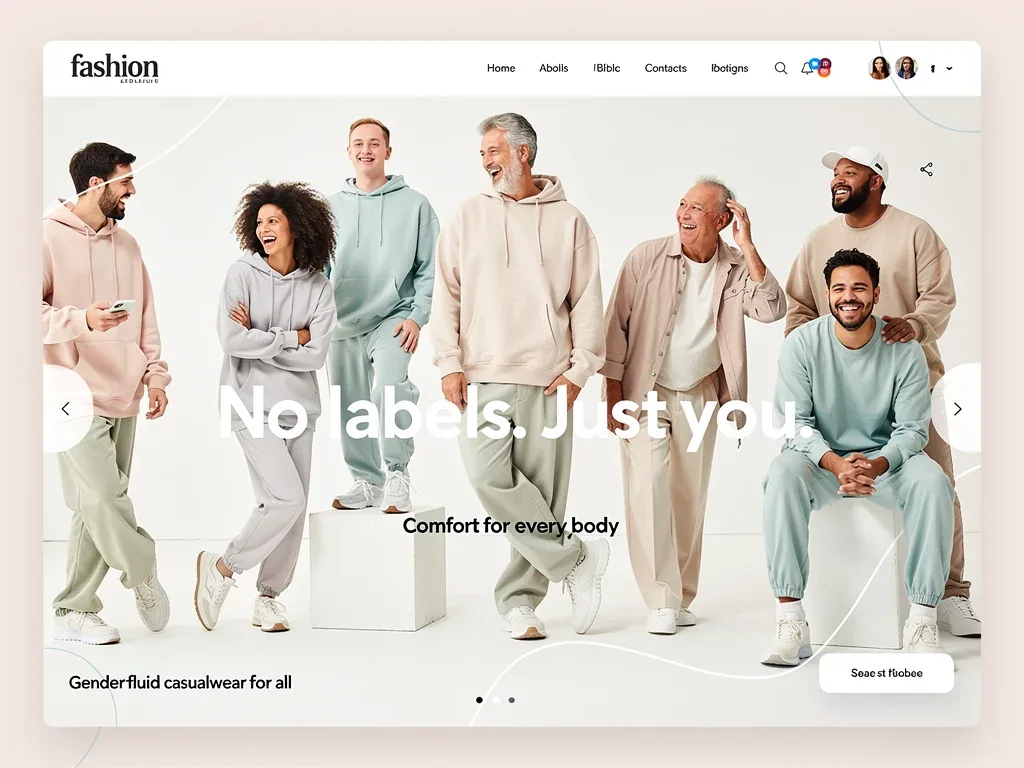
The ascendancy of gender-fluid casual fashion is poised to exert a significant and transformative impact on traditional fashion categories by 2026. This isn’t about the complete eradication of established menswear or womenswear lines, but rather a fundamental re-evaluation of their boundaries, definitions, and market relevance. As gender-fluid collections gain prominence, they will inevitably challenge the long-held assumptions that underpin the entire fashion industry, prompting a broader paradigm shift.
One of the most immediate impacts will be the blurring of lines between what constitutes “masculine” and “feminine” apparel. Items traditionally confined to one category will increasingly appear in the other, or more commonly, be absorbed into a new, more expansive style lexicon. This means that elements like soft draping, once considered feminine, may become commonplace in garments designed for all genders, while utilitarian details, historically masculine, will find their way into broader collections.
re-evaluating product segmentation
Brands will be forced to re-evaluate how they segment their products. Instead of relying solely on gender, they will increasingly consider other factors such as lifestyle, function, occasion, and personal aesthetic. This will lead to more nuanced and less restrictive categorization, offering consumers greater freedom in their choices.
- Lifestyle-based collections: Focusing on activewear, loungewear, or work-from-home styles.
- Functional design: Emphasizing utility, comfort, and performance for all.
- Aesthetic tribes: Catering to specific style preferences (e.g., minimalist, bohemian, streetwear) regardless of gender.
- Seasonal versatility: Designing pieces that can be easily layered and adapted across seasons.
The shift will also influence design education and the creative process within fashion houses. Future designers will be trained with a more inclusive mindset, encouraged to think beyond binary constraints and to create garments that are inherently versatile and adaptable. This will foster a new wave of creativity, leading to innovative designs that might not have emerged under the old, more restrictive system.
Furthermore, the economic implications are substantial. Brands that fail to adapt to this new landscape risk alienating a growing segment of the market. Those that embrace gender fluidity, however, stand to unlock new revenue streams and expand their customer base significantly. This pressure will drive even traditional brands to reconsider their offerings, leading to a gradual but profound evolution across the entire fashion spectrum. The ultimate outcome will be a more dynamic, responsive, and truly representative industry that caters to the diverse needs and desires of all individuals.
| Key Shift | Brief Description |
|---|---|
| Design Aesthetics | Moving beyond binary, focusing on universal appeal, relaxed fits, and versatile cuts for all. |
| Marketing Strategies | Emphasizing authentic representation, diverse models, and inclusive language in campaigns. |
| Supply Chain & Sizing | Innovating for universal fit, modular designs, and adaptable sizing systems for all body types. |
| Consumer & Cultural Impact | Driven by younger generations seeking inclusivity, authenticity, and ethical brand alignment. |
Frequently Asked Questions about Gender-Fluid Fashion
What defines gender-fluid fashion compared to unisex?▼Gender-fluid fashion goes beyond unisex by actively challenging traditional gender norms in design, marketing, and sizing. While unisex often implies a single garment for both genders, gender-fluid designs inherently transcend binary associations, focusing on universal appeal and individual expression rather than just a shared item. It’s about fundamental design philosophy.
How are brands adapting their marketing for gender-fluid collections?▼Brands are adapting by featuring diverse models, including non-binary individuals, in their campaigns. They use inclusive language, avoiding gendered terms, and create narratives that emphasize authenticity and personal expression. Social media plays a key role, showcasing real individuals styling these collections, fostering a sense of community and genuine connection.
What innovations are expected in sizing for gender-fluid clothing?▼Sizing innovations include the development of universal fit systems that accommodate a broader range of body types, moving beyond traditional men’s and women’s charts. Modular designs with adjustable features, such as waistbands and hemlines, and the use of stretch fabrics are becoming common. AI-powered tools and 3D body scanning also aid in personalized fit recommendations.
How does gender-fluid fashion impact sustainability?▼Gender-fluid fashion positively impacts sustainability by encouraging versatile, timeless designs that reduce the need for constant consumption. Brands often prioritize eco-conscious materials and ethical production, aligning with consumer values. This approach combats fast fashion, minimizes textile waste, and promotes a more responsible consumption cycle through durable, long-lasting garments.
Will traditional gendered clothing disappear by 2026?▼Traditional gendered clothing is unlikely to disappear entirely by 2026, but its dominance will certainly diminish. The rise of gender-fluid collections will lead to a blurring of lines, inspiring more versatility and inclusivity across all fashion categories. Consumers will have more choices, and brands will increasingly integrate gender-neutral elements into their broader offerings, fostering a more fluid market.
conclusion
The journey towards 2026 reveals a fashion industry actively reshaping itself, with gender-fluid casual fashion at the forefront of this evolution. The three major shifts—redefined design aesthetics, innovative marketing strategies, and advancements in supply chain and sizing—are not isolated changes but interconnected facets of a larger movement. This transformation is driven by a powerful confluence of evolving consumer values, technological progress, and a deeper societal commitment to inclusivity and authenticity. As brands continue to embrace these shifts, the casual fashion landscape will become more diverse, expressive, and truly representative of the multifaceted identities of its global audience, ushering in an exciting new era for apparel.