Sustainable Fabric Tech: 5 Game-Changing Materials for US Casual Wear
Advertisements
The US casual wear market is rapidly embracing sustainable fabric technology, with five innovative materials like recycled synthetics, bio-based fibers, and regenerative cotton leading the charge in reducing environmental impact and enhancing consumer appeal.
In an era where environmental consciousness is no longer a niche concern but a mainstream imperative, the fashion industry, particularly casual wear in the US, is undergoing a profound transformation. The spotlight is firmly on sustainable fabric tech, driving innovations that promise both style and ecological responsibility. Consumers are increasingly demanding transparency and ethical practices, pushing brands to explore groundbreaking materials that minimize their carbon footprint without compromising on comfort or aesthetics. This year, five game-changing materials are poised to redefine what we wear and how we think about our clothes, offering a glimpse into a greener future for everyday fashion.
The rise of recycled and upcycled textiles in casual wear
The journey towards a more sustainable fashion industry often begins with rethinking waste. Recycled and upcycled textiles represent a significant leap forward, transforming discarded materials into new, high-quality fabrics suitable for the demanding casual wear market. This approach not only diverts waste from landfills but also reduces the need for virgin resources, leading to a substantial decrease in energy consumption and pollution.
The innovation isn’t just about reusing; it’s about engineering these recycled materials to meet or exceed the performance of their conventional counterparts. Brands are investing heavily in research and development to ensure that recycled fabrics offer the same durability, softness, and aesthetic appeal that consumers expect from their favorite casual garments.
Transforming plastic waste into fashion statements
Plastic waste, particularly from oceans, has become a global crisis. However, advanced recycling technologies are now converting these pollutants into high-performance textiles. Polyester made from recycled PET bottles is a prime example, finding its way into everything from activewear to everyday tees.
- Recycled PET Polyester: Bottles are cleaned, shredded into flakes, melted, and spun into new fibers. This process significantly reduces energy use and greenhouse gas emissions compared to virgin polyester production.
- Ocean Plastic Fabrics: Initiatives like ECONYL, which regenerates nylon waste from fishing nets and other discarded nylons, are creating durable and versatile fabrics for swimwear, outerwear, and even denim.
- Performance Benefits: These recycled synthetics often retain the quick-drying, wrinkle-resistant, and durable properties of traditional synthetics, making them ideal for casual and active lifestyles.
Upcycling textiles, on the other hand, involves creatively repurposing existing garments or fabric scraps into new designs without breaking down the fibers. This often results in unique, limited-edition pieces that celebrate individuality and minimize manufacturing impact. The demand for these innovative materials is growing, driven by a conscious consumer base that values both style and environmental responsibility. This shift is not merely a trend but a fundamental change in how the industry operates, laying the groundwork for a truly circular economy in fashion.
Bio-based and plant-derived fibers: Nature’s answer to synthetics
Moving beyond recycling, the textile industry is increasingly looking to nature for solutions, developing bio-based and plant-derived fibers that offer compelling sustainable alternatives to traditional materials. These innovations leverage natural resources, often from rapidly renewable sources, to create fabrics that are not only eco-friendly but also boast unique properties like breathability, softness, and biodegradability.
The allure of bio-based fibers lies in their potential to reduce reliance on petrochemicals and lessen the environmental burden associated with conventional textile production. From forest to field, scientists are extracting cellulose and other compounds to engineer the next generation of sustainable casual wear.
Innovative plant sources for fabric creation
The variety of plant materials being explored for textile production is constantly expanding, pushing the boundaries of what’s possible in sustainable fashion. These materials offer diverse properties, catering to different needs within the casual wear segment.
- Hemp: Known for its strength and durability, hemp requires minimal water and no pesticides to grow. It produces a soft, breathable fabric that gets softer with each wash, making it perfect for everyday shirts and pants.
- Organic Cotton: While not new, organic cotton production is continuously improving, focusing on regenerative farming practices that enhance soil health and biodiversity. It remains a staple for soft, comfortable casual wear.
- Lyocell (Tencel): Derived from wood pulp (typically eucalyptus), Lyocell is produced in a closed-loop system where solvents are recycled, minimizing waste. It’s incredibly soft, drapes beautifully, and is highly breathable, ideal for comfortable, luxurious casual garments.
Beyond these, materials like pineapple leaf fiber (Piñatex) for vegan leather alternatives and even seaweed-infused fabrics are emerging, each bringing unique benefits. These fibers offer natural breathability and moisture-wicking properties, often surpassing conventional synthetics in comfort for casual wear. The shift towards bio-based fibers signifies a deeper connection between fashion and ecological stewardship, providing consumers with choices that align with their values for a healthier planet.
The promise of regenerative agriculture in cotton production
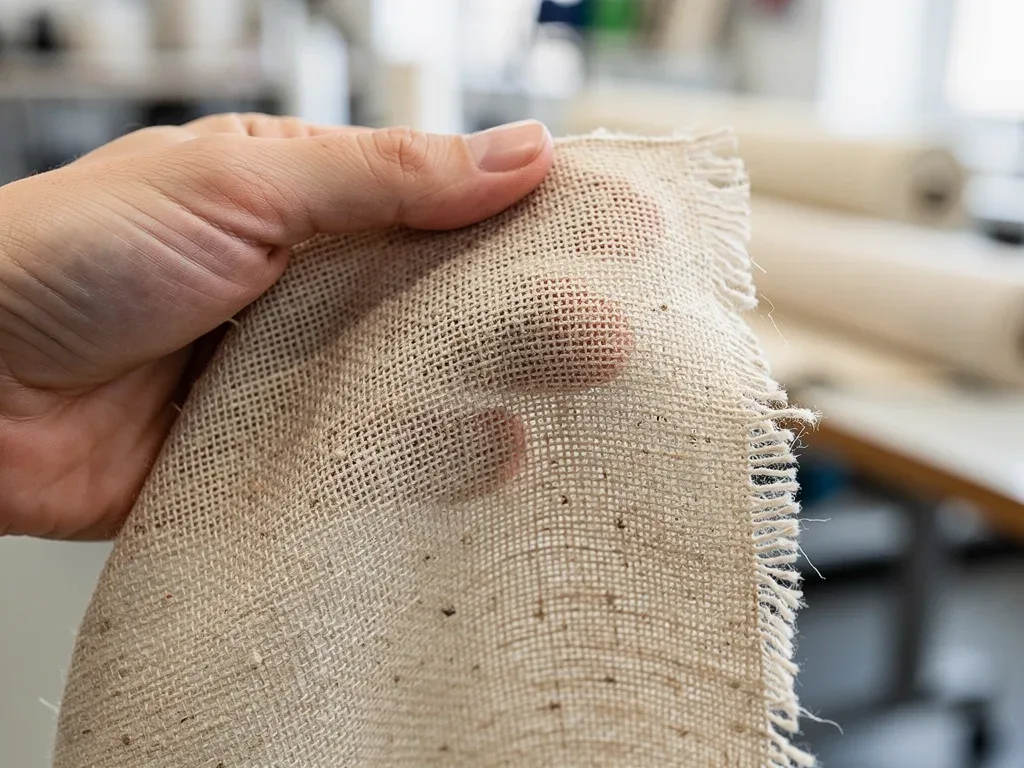
Cotton has long been a foundational fiber in casual wear, but its traditional cultivation methods often come with significant environmental costs, including extensive water use and pesticide application. Regenerative agriculture offers a revolutionary approach, transforming cotton farming into a process that not only minimizes negative impacts but actively improves ecosystem health. This method focuses on restoring soil biodiversity, enhancing water cycles, and capturing carbon from the atmosphere.
For the US casual wear market, embracing regenerative cotton means a commitment to truly sustainable practices from the ground up. It’s about creating a positive feedback loop where fashion choices directly contribute to environmental restoration, making every garment a statement of ecological responsibility.
Key principles of regenerative cotton farming
Regenerative agriculture is built upon several core practices designed to heal and enrich the land. These principles work in synergy to create a more resilient and productive farming system that benefits both the environment and the farmers.
- No-Till Farming: Minimizing soil disturbance helps maintain soil structure, prevent erosion, and sequester carbon. This practice allows soil organisms to thrive, creating a healthier soil ecosystem.
- Cover Cropping: Planting non-cash crops between growing seasons protects the soil from erosion, adds organic matter, and improves nutrient cycling. Cover crops also suppress weeds and reduce the need for herbicides.
- Crop Rotation: Varying the crops grown in a field over time helps break pest and disease cycles, improve soil fertility, and reduce reliance on synthetic fertilizers.
- Integrated Pest Management: Utilizing natural predators and biological controls instead of chemical pesticides minimizes harm to beneficial insects and ecosystems.
The resulting regenerative cotton offers the same beloved softness and comfort as conventional cotton but with a significantly enhanced environmental profile. Brands adopting regenerative cotton are not just offering a product; they are offering a story of ecological healing and a tangible way for consumers to support a healthier planet. This holistic approach ensures that the production of casual wear contributes positively to the environment, making it a compelling choice for the conscious consumer.
Mycelium-based materials: The future of vegan leather
As the demand for ethical and sustainable alternatives to animal products grows, mycelium-based materials are emerging as a groundbreaking solution for vegan leather. Mycelium, the root structure of mushrooms, can be grown rapidly and engineered to form durable, flexible, and luxurious materials that mimic the look and feel of traditional leather. This innovative technology is poised to revolutionize the casual wear industry, offering a cruelty-free and environmentally friendly option for everything from jackets to accessories.
The beauty of mycelium lies in its natural growth process, which requires significantly less water, land, and energy compared to animal agriculture or even synthetic leather production. This makes it a highly attractive option for brands committed to reducing their ecological footprint and appealing to a new generation of ethical consumers.
Cultivating fashion from fungi
The process of creating mycelium-based materials is a fascinating blend of biology and engineering. It involves cultivating mycelium on agricultural waste, allowing it to grow into a dense, interconnected network that can then be processed into a leather-like material.
- Rapid Growth: Mycelium grows quickly, often within weeks, making it a highly scalable and efficient material source.
- Customizable Properties: The properties of the mycelium material, such as thickness, texture, and strength, can be tailored during the growth process to suit specific applications, from soft apparel to sturdy footwear.
- Biodegradability: Unlike many synthetic leathers that are plastic-based and non-biodegradable, mycelium leather can be designed to decompose naturally at the end of its life cycle, contributing to a circular economy.
Leading companies like MycoWorks and Bolt Threads are at the forefront of this innovation, partnering with major fashion brands to bring mycelium leather to market. This material offers a premium feel and aesthetic, making it suitable for high-end casual wear as well as more accessible everyday items. The potential for mycelium to replace conventional leather is immense, promising a future where fashion can be both luxurious and entirely sustainable, without compromise on quality or ethical considerations.
Recycled ocean plastic textiles: A wave of change
The staggering amount of plastic polluting our oceans represents one of the most pressing environmental challenges of our time. Fortunately, innovative textile technologies are transforming this crisis into an opportunity, turning discarded ocean plastics into high-quality fabrics for casual wear. This not only helps clean up our marine environments but also provides a sustainable alternative to virgin synthetic materials, closing the loop on plastic waste.
For the US casual wear market, textiles made from recycled ocean plastics offer a compelling narrative of environmental stewardship. Consumers can wear their values, knowing that their clothing actively contributes to ocean clean-up efforts while still delivering on comfort, style, and durability.
From ocean waste to wearable fashion
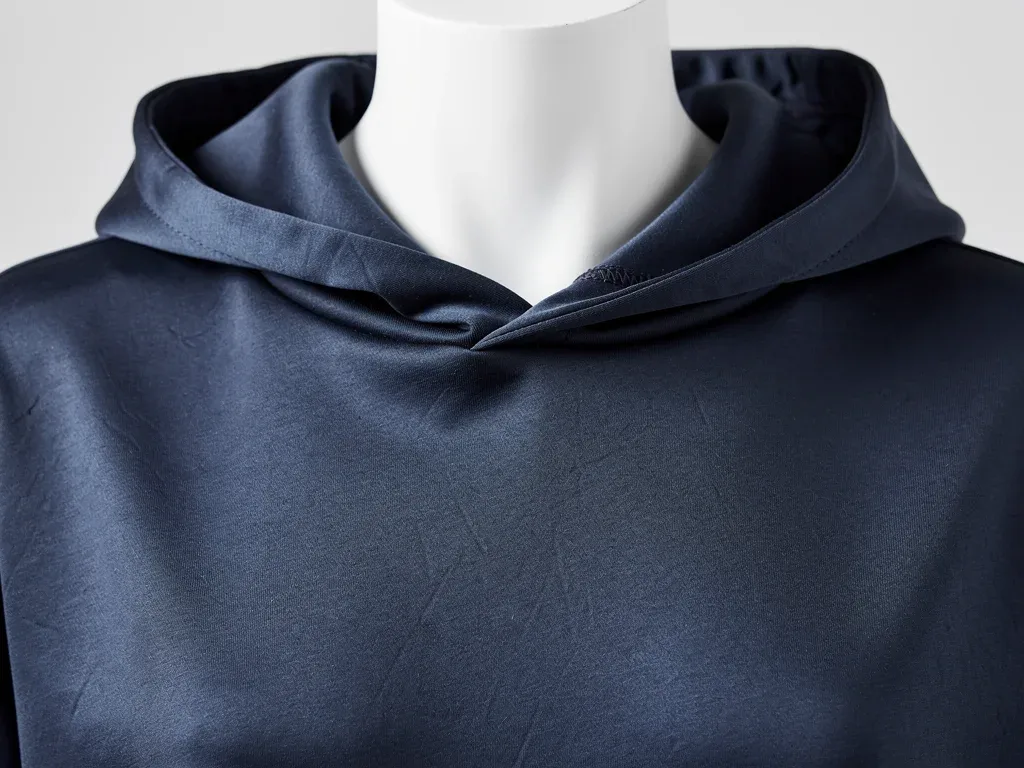
The process of converting ocean plastic into textiles is complex but incredibly impactful. It involves collecting plastic waste from oceans, beaches, and coastal communities, then rigorously cleaning and processing it into usable fibers.
- Collection and Sorting: Various organizations and initiatives are dedicated to collecting plastic waste, which is then carefully sorted by type (primarily PET and nylon).
- Regeneration: The collected plastics are then broken down, purified, and regenerated into new polymers. For instance, discarded fishing nets and other nylon waste are regenerated into ECONYL yarn.
- Fiber Production: These regenerated polymers are then spun into high-quality yarns that can be woven or knitted into a wide range of fabrics.
Brands like Adidas, Patagonia, and even smaller independent labels are increasingly incorporating recycled ocean plastic textiles into their collections. These fabrics often maintain the performance characteristics of virgin synthetics, such as quick-drying and moisture-wicking properties, making them ideal for active and casual wear. By choosing garments made from recycled ocean plastics, consumers become active participants in a global movement to combat plastic pollution, making a tangible difference with every purchase and promoting a healthier planet for all.
The impact of sustainable fabric tech on consumer choices
The emergence of advanced sustainable fabric technologies is fundamentally altering consumer expectations and purchasing behaviors within the US casual wear market. No longer is sustainability a secondary consideration; it’s rapidly becoming a primary driver for many shoppers. This shift is fueled by increased awareness of environmental issues, a desire for ethical products, and the growing availability of high-quality, eco-friendly apparel. Brands that embrace these innovations are not just meeting a demand; they are shaping a new paradigm for fashion.
Consumers are actively seeking out garments that align with their values, prioritizing transparency, environmental impact, and social responsibility. This evolving mindset is pushing the entire industry towards greater innovation and accountability, making sustainable fabric tech a cornerstone of future fashion strategies.
Driving forces behind sustainable consumption
Several factors are converging to influence consumer choices, making sustainable fabric tech an increasingly vital element in the casual wear landscape. Understanding these drivers is key for brands looking to connect with their audience.
- Environmental Awareness: Growing concerns about climate change, plastic pollution, and resource depletion are making consumers more mindful of their purchasing decisions.
- Ethical Production: Demand for fair labor practices and cruelty-free alternatives extends beyond just the final product to the entire supply chain.
- Product Longevity: Sustainable fabrics are often designed for durability, appealing to consumers looking for long-lasting items that reduce the need for frequent replacements.
- Brand Transparency: Consumers want to know where their clothes come from and how they are made, favoring brands that openly share their sustainability efforts.
The rise of social media and accessible information has empowered consumers to research and advocate for sustainable options, putting pressure on brands to adapt. This demand is not just for eco-friendly materials but for a holistic approach to sustainability that encompasses the entire lifecycle of a garment, from sourcing to disposal. As sustainable fabric tech continues to advance, it offers exciting possibilities for consumers to make impactful choices, fostering a more responsible and environmentally conscious casual wear industry across the United States. This evolving dynamic underscores the crucial role of innovative materials in shaping both industry practices and consumer preferences for a better future.
| Key Material | Brief Description |
|---|---|
| Recycled Synthetics | Transforms plastic waste (PET, ocean plastics) into durable, performance-oriented fabrics for casual wear, reducing landfill and virgin resource use. |
| Bio-based Fibers | Derived from natural sources like hemp, organic cotton, and wood pulp (Lyocell), offering breathability, softness, and reduced reliance on petrochemicals. |
| Regenerative Cotton | Cotton grown using farming practices that restore soil health, enhance biodiversity, and sequester carbon, offering a truly sustainable alternative. |
| Mycelium-based Materials | Fungi-derived alternative to animal leather, grown rapidly with minimal resources, offering a durable, flexible, and biodegradable vegan option. |
Frequently asked questions about sustainable fabric tech
What are the primary benefits of sustainable fabric technology for US casual wear?▼Sustainable fabric tech offers numerous benefits, including reduced environmental impact through lower water and energy consumption, minimized waste, and decreased reliance on harmful chemicals. It also promotes ethical production practices and often results in durable, comfortable garments that appeal to eco-conscious consumers in the US market.
How do recycled ocean plastic textiles contribute to sustainability?▼Recycled ocean plastic textiles address the critical issue of marine pollution by transforming discarded plastics into usable fibers. This process cleans up oceans and beaches while simultaneously reducing the demand for new, virgin plastic production. It creates a circular economy for plastics, benefiting both the environment and the fashion industry.
Is mycelium-based leather truly a viable alternative to traditional leather?▼Yes, mycelium-based leather is proving to be a highly viable and promising alternative. It offers a similar aesthetic and tactile feel to traditional leather but is grown sustainably from fungi, requiring significantly less land, water, and energy. Its customizable properties and biodegradability make it an ethical and environmentally superior choice for casual wear and accessories.
What makes regenerative agriculture cotton different from organic cotton?▼While organic cotton avoids synthetic pesticides and fertilizers, regenerative agriculture goes further by actively restoring and improving soil health, biodiversity, and water cycles. It focuses on practices like no-till farming and cover cropping to sequester carbon, making it a more holistic and impactful approach to sustainable cotton production for casual wear.
How can consumers identify sustainable casual wear in the US market?▼Consumers can look for certifications like GOTS (Global Organic Textile Standard) for organic materials or GRS (Global Recycled Standard) for recycled content. Also, research brands committed to transparency in their supply chains and those explicitly mentioning use of innovative sustainable fabrics like Lyocell, hemp, or mycelium in their product descriptions and marketing materials.
Conclusion
The landscape of US casual wear is being reshaped by an exciting wave of sustainable fabric technology. From the ingenious repurposing of ocean plastics and recycled synthetics to the cultivation of innovative bio-based materials like hemp and Lyocell, and the revolutionary potential of regenerative cotton and mycelium-based leathers, the industry is demonstrating a profound commitment to environmental stewardship. These game-changing materials are not just about reducing harm; they are about actively contributing to a healthier planet, offering consumers the power to make impactful choices with their everyday attire. As these technologies continue to evolve and become more accessible, the future of casual wear in the United States promises to be both stylish and fundamentally sustainable, aligning fashion with ecological responsibility and consumer values.