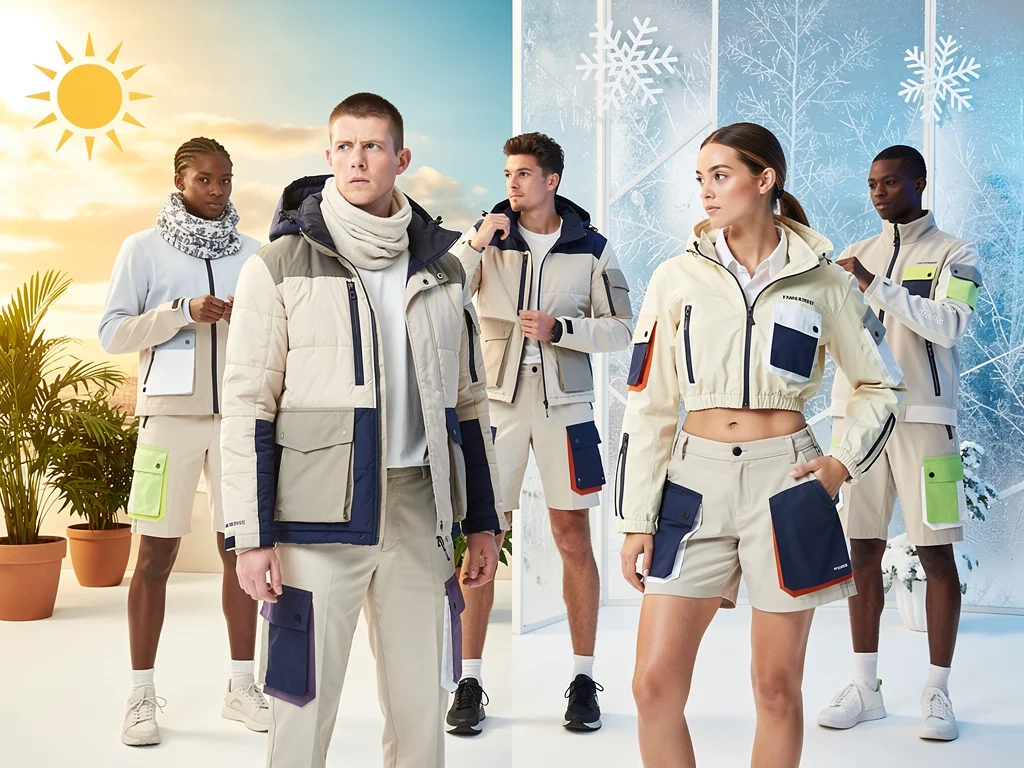
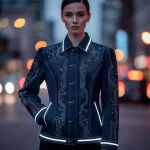
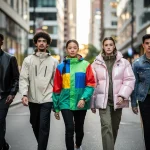
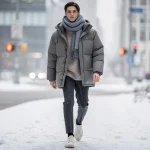
Modular clothing design is transforming fashion by offering innovative concepts that enable multi-season casual wardrobes, providing consumers with highly versatile, sustainable, and adaptable garments for various climates and occasions.
Por: Maria Eduarda em 25 de fevereiro de 2026
Última atualização em: 26 de junho de 2026
Advertisements
Modular clothing design is revolutionizing personal style by introducing innovative concepts that allow for highly versatile, multi-season casual wardrobes, promoting sustainability and adaptability in everyday fashion choices.
Are you tired of cluttered closets and constantly buying new clothes for every season? The future of fashion is here, and it’s called modular clothing design. This innovative approach to apparel is redefining how we think about our wardrobes, offering smart solutions that adapt to changing weather, occasions, and personal styles. Imagine a single garment that can transform from a winter coat to a spring jacket, or a dress that becomes a skirt and top. This isn’t just a trend; it’s a movement towards more sustainable, versatile, and efficient fashion.
Advertisements
The Rise of Modular Clothing: A Paradigm Shift in Fashion
The fashion industry is undergoing a significant transformation, driven by consumer demand for sustainability, versatility, and personalization. Traditional fast fashion models, characterized by rapid production cycles and disposable garments, are increasingly being scrutinized for their environmental impact and ethical concerns. In this evolving landscape, modular clothing design emerges as a compelling alternative, promising a more mindful and adaptive approach to dressing.
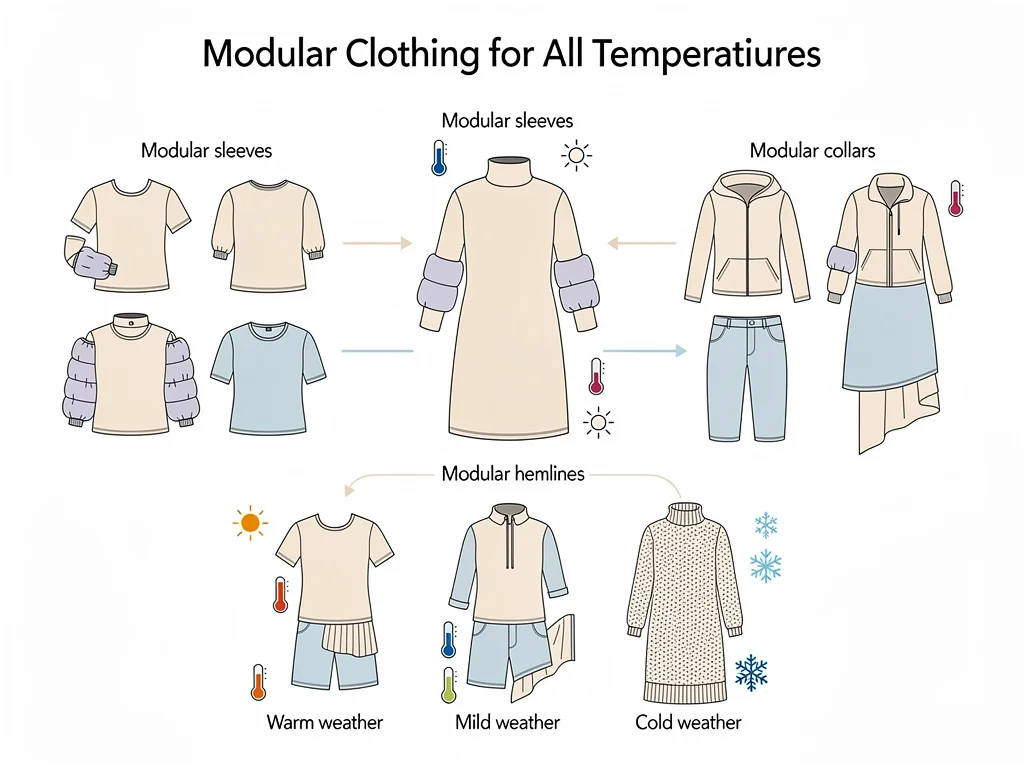
This innovative concept centers on garments composed of interchangeable parts, allowing wearers to modify their clothing to suit different climates, occasions, or aesthetic preferences. Think of it as a fashion equivalent of building blocks, where sleeves, collars, hemlines, and even entire sections of a garment can be detached, reattached, or swapped out. This not only extends the lifespan of clothing but also significantly reduces the need for extensive wardrobes, promoting a minimalist yet highly functional approach to style.
The appeal of modular clothing extends beyond its environmental benefits. For the modern consumer, who often juggles multiple roles and demands a wardrobe that can keep pace, modularity offers unparalleled convenience. A single core piece can be transformed into numerous distinct looks, effectively multiplying its utility and maximizing investment. This adaptability is particularly relevant in a world where travel is common and weather patterns can be unpredictable, making multi-season functionality a highly desirable trait.
Addressing the Challenges of Modern Wardrobes
Modern consumers face several challenges with conventional clothing:
Overconsumption: The constant pressure to buy new trends leads to excessive purchases and textile waste.
Lack of Versatility: Many garments are season-specific or occasion-specific, limiting their wearability.
Storage Issues: A large, non-versatile wardrobe requires significant storage space.
Environmental Impact: The production and disposal of clothing have substantial ecological footprints.
Modular design directly addresses these issues by promoting a “less is more” philosophy, encouraging thoughtful consumption and offering practical solutions for everyday dressing. It empowers individuals to curate a wardrobe that is both stylish and responsible, aligning personal values with fashion choices. This shift is not just about changing clothes; it’s about changing our relationship with what we wear.
Ultimately, the rise of modular clothing signifies a deeper cultural shift towards conscious living. As consumers become more aware of their impact on the planet and seek greater utility from their possessions, modular design is poised to become a cornerstone of future fashion, offering a blend of innovation, practicality, and environmental stewardship. It’s an exciting time for fashion, where creativity meets responsibility.
Concept 1: Detachable Components for Seasonal Adaptability
One of the most straightforward yet impactful innovations in modular clothing design involves the use of detachable components. This concept allows a single base garment to be significantly altered to suit varying temperatures and styles, making it an ideal solution for multi-season casual wardrobes. Imagine a jacket whose sleeves can be zipped off to create a vest, or a pair of trousers that converts into shorts with a simple snap mechanism. This adaptability is not just about convenience; it’s about maximizing the utility and lifespan of each clothing item.
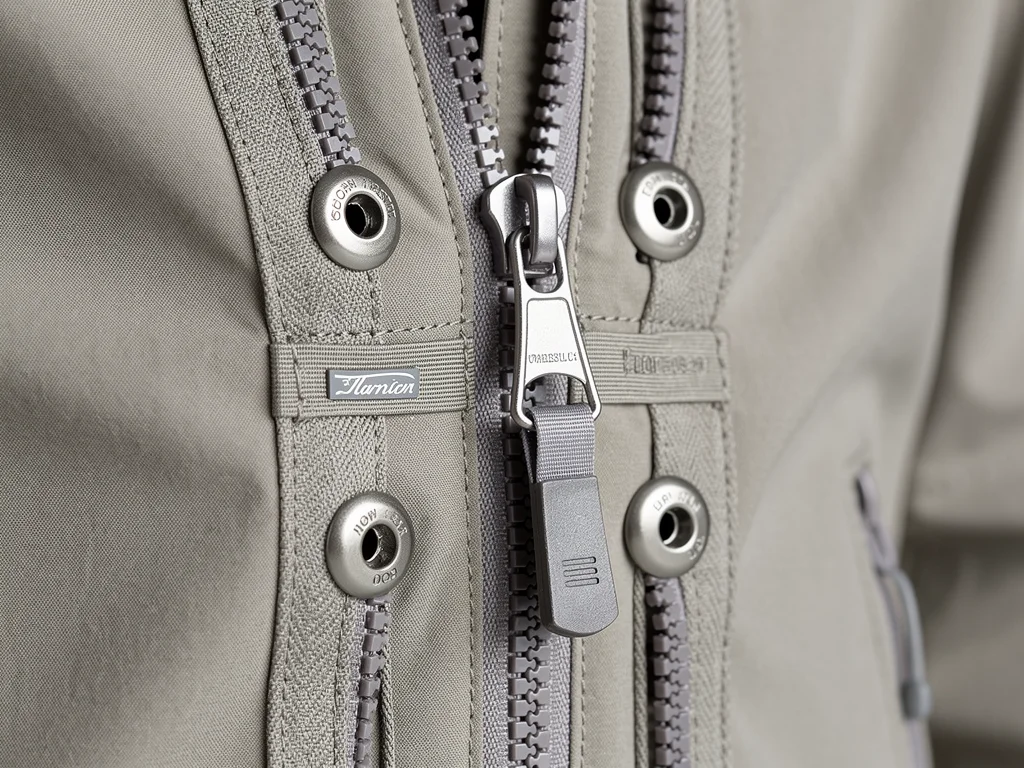
The core idea behind detachable components is to provide flexibility without compromising on aesthetic appeal or functionality. Designers are leveraging advanced fastening technologies, such as discreet zippers, magnetic closures, and robust snap buttons, to ensure that these transformations are seamless and secure. The goal is for the converted garment to look and feel as if it were originally designed in its modified state, avoiding any awkward or unfinished appearances.
This approach significantly reduces the need for multiple, specialized garments. Instead of owning separate heavy coats, light jackets, and vests, a consumer could invest in a single modular piece that serves all these functions. This not only saves money and closet space but also aligns with sustainable fashion practices by promoting longevity and reducing overall consumption. The ability to easily switch between configurations means that a garment can be worn more frequently and across a wider range of conditions.
Innovative Fastening Technologies
The success of detachable components heavily relies on the quality and subtlety of the fastening systems. Early attempts at modular clothing often suffered from visible, bulky zippers or buttons that detracted from the garment’s elegance. Today, advancements in materials and manufacturing have led to more sophisticated solutions:
Invisible Zippers: Seamlessly integrate into seams, becoming almost imperceptible when closed.
Magnetic Closures: Offer quick, effortless attachment and detachment with a clean aesthetic.
High-Strength Snaps: Provide secure connections that can withstand repeated use without weakening.
Velcro Alternatives: Modern hook-and-loop fasteners that are less bulky and more durable.
These technological improvements allow designers to create modular pieces that are not only practical but also highly fashionable. The focus is on creating a smooth transition between components, ensuring that the garment maintains its structural integrity and visual appeal in all its forms. This attention to detail is crucial for widespread adoption and consumer satisfaction.
Moreover, the design of these components often considers ease of use. The goal is for wearers to be able to transform their garments quickly and efficiently, even on the go. This practicality further enhances the appeal of detachable modular clothing, making it a truly functional choice for dynamic lifestyles. The ability to adapt one’s outfit to unexpected weather changes or spontaneous events without needing an entire wardrobe change is a powerful draw.
Concept 2: Layering Systems with Integrated Connectors
The concept of layering has always been fundamental to multi-season dressing, but modular clothing takes this idea to a new level with integrated connectors. This innovative approach moves beyond simply putting one garment over another; it involves designing pieces that are specifically engineered to attach and detach from each other, forming a cohesive and functionally superior ensemble. It’s about creating a system where each layer enhances the others, providing optimal comfort and protection without bulk.
Imagine a base jacket with internal loops or buttonholes, designed to perfectly interlock with a removable insulated liner or a waterproof shell. This integration ensures that the layers stay put, move together as one unit, and prevent cold air or moisture from seeping through gaps. The result is a highly adaptive garment that can be adjusted from a lightweight outer shell to a heavily insulated winter coat, all while maintaining a streamlined silhouette.
This system vastly improves upon traditional layering, where separate garments often bunch up, restrict movement, or fail to provide adequate insulation due to poor fit between layers. Integrated connectors, whether they are zippers, snaps, or even magnetic strips, ensure a snug and effective fit, optimizing thermal regulation and overall comfort. This is particularly beneficial for casual wear, where ease of movement and consistent comfort are paramount.
Benefits of Integrated Layering Systems
Integrated layering systems offer a myriad of advantages for the discerning consumer:
Enhanced Thermal Regulation: Layers fit precisely, trapping air more efficiently for better insulation.
Streamlined Appearance: Avoids the bulky look often associated with multiple separate layers.
Increased Durability: Reduced friction between layers minimizes wear and tear on individual garments.
Simplified Dressing: Easily add or remove layers as weather conditions change, without a complete outfit overhaul.
The design philosophy behind these systems often involves a careful selection of materials, ensuring that each component contributes to the overall functionality. For instance, a waterproof outer shell might be paired with a breathable mid-layer and a soft, moisture-wicking base layer. The integrated connectors ensure that these distinct materials work in harmony, optimizing performance for a wide range of activities and environments.
Moreover, the modularity of these layering systems often extends to color and style. Consumers can mix and match different colored liners or shells, allowing for a degree of personalization within the functional system. This blend of practicality and aesthetic choice makes integrated layering systems a powerful tool for building a versatile and adaptable wardrobe that truly reflects individual needs and preferences. It’s about intelligent design meeting everyday utility.
Concept 3: Transformable Garments with Multi-Wear Capabilities
Beyond simple detachment and layering, another cutting-edge concept in modular clothing design involves garments that are inherently transformable, offering multiple wear capabilities from a single piece. This isn’t just about adding or removing parts, but about reconfiguring the garment itself to serve entirely different functions or aesthetics. Think of a single piece of fabric that can be worn as a dress, then re-draped and secured to become a skirt, or even a top, often without requiring any external tools or separate components.
This innovative approach relies heavily on clever pattern cutting, strategic placement of closures, and the inherent flexibility of the chosen fabrics. Designers are exploring techniques that allow garments to be folded, tied, or fastened in various ways to achieve dramatic transformations. The goal is to maximize the creative potential of a single item, offering unparalleled versatility for the wearer who values adaptability and minimizes their wardrobe footprint.
These transformable garments are particularly appealing for casual wardrobes, where the need to switch between different looks or levels of formality can be frequent. A piece that can go from a relaxed tunic for a beach day to a more structured top for an evening out, simply by adjusting its configuration, offers immense practical value. It embodies the essence of a truly dynamic and efficient wardrobe, perfectly suited for modern, on-the-go lifestyles.
Design Principles for Transformable Wear
Creating effective transformable garments requires a deep understanding of textile properties and innovative design principles:
Fluid Fabrics: Materials with excellent drape and a degree of stretch are crucial for accommodating multiple forms.
Strategic Closures: Discreet buttons, ties, snaps, or internal elastic bands allow for secure reconfiguration.
Asymmetrical Cuts: Often employed to create interesting shapes and versatile draping options.
Minimal Seaming: Reduces rigidity and allows the fabric to flow and adapt more freely.
The beauty of these multi-wear garments lies in their inherent simplicity and the element of discovery they offer. Owners often find new ways to style and wear them, extending their utility and personal connection to the item. This fosters a sense of creative engagement with one’s wardrobe, moving away from passive consumption towards active participation in personal style.
Furthermore, transformable garments are a powerful statement against fast fashion. By offering multiple looks from a single item, they inherently encourage conscious consumption and reduce the demand for new purchases. They represent a sophisticated blend of design ingenuity and environmental responsibility, proving that fashion can be both innovative and sustainable. This concept pushes the boundaries of what clothing can be, turning each piece into a canvas for endless possibilities.
The Environmental and Economic Impact of Modular Fashion
The implications of modular clothing design extend far beyond personal style and convenience; they represent a significant step towards a more sustainable and economically sound fashion industry. Traditional fashion, with its seasonal collections and rapid trend cycles, is notoriously resource-intensive, generating vast amounts of waste and contributing significantly to pollution. Modular fashion offers a tangible solution to many of these pressing environmental and economic challenges.
By designing garments that are adaptable and long-lasting, modular clothing inherently reduces the demand for new items. When a single piece can serve multiple functions or adapt to different seasons, consumers buy fewer clothes, leading to a direct reduction in manufacturing output. This decreased production translates into lower consumption of raw materials, less water usage, and a smaller carbon footprint associated with textile processing and transportation. It’s a virtuous cycle where thoughtful design leads to environmental benefits.
Moreover, the extended lifespan of modular garments combats the culture of disposability that plagues the fashion world. When clothes can be easily repaired, updated, or reconfigured rather than discarded, they stay out of landfills for longer. This not only conserves resources but also reduces the burden on waste management systems. The focus shifts from quantity to quality, encouraging consumers to invest in durable, versatile pieces that offer lasting value.
Key Sustainable Benefits
Reduced Waste: Fewer garments produced and discarded.
Lower Resource Consumption: Less water, energy, and raw materials used in manufacturing.
Extended Product Lifespan: Garments are worn longer due to adaptability and repairability.
Minimized Carbon Footprint: Less transportation and production-related emissions.
From an economic perspective, modular clothing can also offer significant advantages. While the initial investment in a high-quality modular piece might sometimes be higher than a single-purpose garment, the long-term savings are substantial. Consumers save money by not needing to purchase separate items for every season or occasion. The “cost per wear” dramatically decreases over time, making modular fashion a smart financial choice for the budget-conscious shopper.
Furthermore, modularity can foster a more robust repair and customization economy. As consumers become more invested in their versatile pieces, there’s a greater incentive to repair or update components rather than replace the entire garment. This can create new business opportunities for local tailors, repair shops, and designers specializing in modular components, contributing to local economies and fostering a circular fashion ecosystem. The economic benefits are intertwined with environmental responsibility, creating a holistic approach to sustainable living.
Challenges and Future of Modular Clothing Design
While the promise of modular clothing design is immense, its widespread adoption faces several challenges that the industry is actively working to overcome. One primary hurdle is the perception of complexity. For many consumers, the idea of a garment with interchangeable parts might seem daunting or overly technical, requiring too much effort to assemble or transform. Simplifying the user experience is crucial for mainstream acceptance.
Another significant challenge lies in the design and manufacturing processes. Creating modular components that fit together seamlessly, maintain aesthetic integrity across various configurations, and withstand repeated assembly and disassembly requires sophisticated engineering and high-quality materials. This can lead to higher production costs compared to conventional garments, which might initially deter price-sensitive consumers. Balancing innovation with affordability is a delicate act for designers and brands.
Furthermore, the aesthetic appeal of modular clothing needs to evolve to compete with the vast array of styles available in traditional fashion. Early modular designs sometimes prioritized function over form, resulting in utilitarian aesthetics that didn’t always resonate with fashion-forward consumers. The future of modular fashion depends on creating pieces that are not only highly functional but also stylish, desirable, and indistinguishable from non-modular high-fashion items when assembled.
Overcoming Design and Marketing Hurdles
To ensure the future success of modular clothing, the industry is focusing on:
Intuitive Design: Developing components that are easy and fast to attach/detach, with clear instructions.
Aesthetic Integration: Ensuring that all configurations look polished and intentional, not patchwork.
Material Innovation: Utilizing advanced fabrics that are durable, comfortable, and versatile for multi-season wear.
Consumer Education: Highlighting the long-term value, sustainability, and versatility to justify the investment.
The future of modular clothing design is bright, with ongoing research and development pushing the boundaries of what’s possible. We can anticipate even more sophisticated fastening mechanisms, smart textiles that adapt to temperature changes, and AI-powered design tools that assist in creating highly customizable and personalized modular systems. The integration of 3D printing could also revolutionize component production, allowing for on-demand customization and repair.
As consumer awareness of sustainability grows and the demand for versatile, efficient wardrobes increases, modular clothing is poised to move from a niche concept to a mainstream fashion solution. The industry is learning to combine cutting-edge technology with thoughtful design, creating a future where fashion is not just about what we wear, but how intelligently and responsibly we wear it. This evolution promises a more dynamic, sustainable, and personalized approach to dressing for everyone.
Integrating Modular Principles into Your Wardrobe
Adopting modular clothing principles doesn’t necessarily mean overhauling your entire wardrobe overnight. It’s a gradual process that can begin with conscious choices and strategic investments. The key is to think about versatility, longevity, and adaptability when making new purchases, slowly building a collection of pieces that work harder and smarter for you. Integrating modularity into your everyday casual wardrobe can simplify dressing, reduce decision fatigue, and align your style with sustainable values.
Start by identifying the gaps in your current wardrobe. Do you frequently find yourself needing a lighter jacket for transitional weather, or a warmer layer for unexpected chills? These are prime opportunities to seek out modular solutions. Look for garments that offer detachable elements, like zip-off sleeves or removable hoods, or those designed for integrated layering. Brands specializing in outdoor wear often lead in these innovations, but casual fashion is quickly catching up.
Consider multi-wear items that can be styled in several ways. A dress that can be tied or draped to form a skirt and a top, or a scarf that doubles as a wrap, are excellent examples of transformable pieces that add significant versatility without adding bulk to your closet. These items encourage creativity and personal expression, allowing you to refresh your look without constant new purchases.
Practical Steps for a Modular Wardrobe
Assess Your Needs: Identify what types of garments you frequently need for different seasons and occasions.
Research Brands: Look for companies specializing in modular or convertible clothing.
Invest in Core Pieces: Start with versatile base garments that can be easily adapted or layered.
Mix and Match: Experiment with how different components can be combined to create new outfits.
Prioritize Quality: Modular pieces should be durable to withstand frequent transformations and wear.
Embracing a modular approach also involves a shift in mindset from fast fashion to sustainable consumption. It’s about valuing the utility and craftsmanship of your clothes, and recognizing that a well-curated, adaptable wardrobe can be more fulfilling than a closet full of single-purpose items. This philosophy encourages mindful shopping, where each purchase is a considered investment in a more efficient and personalized style.
Ultimately, integrating modular principles into your wardrobe is about building a collection that works for you, not against you. It’s about empowering yourself with choices that adapt to your lifestyle, climate, and evolving tastes. By making conscious decisions about versatility and longevity, you can create a casual wardrobe that is not only stylish and functional but also a testament to thoughtful and responsible fashion. This approach offers a liberating pathway to a more organized and sustainable personal style.
Key Concept
Brief Description
Detachable Components
Garments with removable parts (sleeves, hoods) for seasonal adaptation and versatility.
Integrated Layering
Layers designed to connect securely, creating cohesive and adaptable multi-weather ensembles.
Transformable Garments
Single pieces reconfigured into different styles or functions (e.g., dress to skirt).
Sustainability Focus
Reduces waste, resource consumption, and promotes garment longevity through adaptable design.
Frequently Asked Questions About Modular Clothing
What exactly is modular clothing design?▼
Modular clothing design refers to garments made from interchangeable components that can be added, removed, or reconfigured to alter the item’s style, function, or seasonality. This allows a single piece to serve multiple purposes, adapting to various weather conditions or occasions, and promoting versatility in your wardrobe.
How does modular clothing contribute to sustainability?▼
By offering multi-season and multi-functional capabilities, modular clothing reduces the need for consumers to purchase numerous single-purpose items. This decreases overall production demand, leading to less resource consumption, reduced textile waste in landfills, and a smaller carbon footprint associated with manufacturing and transportation, extending garment lifespans significantly.
Are modular garments difficult to assemble or transform?▼
Modern modular designs prioritize ease of use. Designers employ intuitive fastening systems like invisible zippers, strong snaps, and magnetic closures to make transformations seamless and quick. The goal is for wearers to easily adapt their clothing without complicated instructions, ensuring a smooth and practical experience for daily use.
Can modular clothing be stylish and fashionable?▼
Absolutely. While early designs sometimes focused more on utility, contemporary modular fashion increasingly blends innovative engineering with high-end aesthetics. Designers are creating pieces that are not only functional but also visually appealing, ensuring that the transformed garments look polished and intentional, suitable for various casual and even semi-formal settings.
What are the economic benefits of investing in modular clothing?▼
While initial costs might sometimes be higher, modular clothing offers significant long-term economic benefits. By replacing several single-purpose items with one multi-functional garment, consumers save money on overall purchases. The extended lifespan and reduced need for constant replacements mean a lower “cost per wear,” making it a financially savvy choice for a sustainable wardrobe.
Conclusion
The evolution of modular clothing design represents a compelling answer to the complex demands of modern fashion. By embracing innovative concepts like detachable components, integrated layering systems, and truly transformable garments, designers are not just creating clothes; they are crafting highly adaptable solutions for multi-season casual wardrobes. This shift is more than a fleeting trend; it is a fundamental re-evaluation of how we interact with our apparel, prioritizing versatility, longevity, and environmental responsibility. As consumers increasingly seek efficiency and sustainability in their daily lives, modular clothing stands out as a smart, stylish, and forward-thinking choice, promising a future where our wardrobes are as dynamic and adaptable as we are.