Circular Fashion: Top 5 US Brands in Rental & Resale
Advertisements
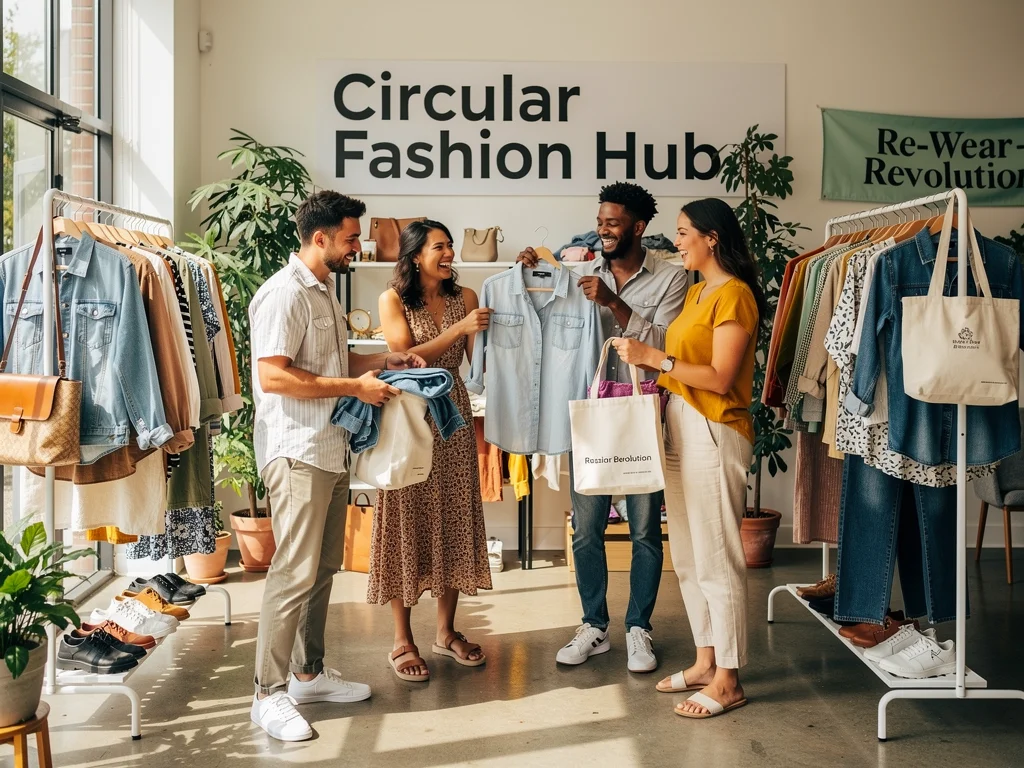
The circular fashion movement is fundamentally transforming the apparel industry by championing innovative rental and resale models, and this article highlights five prominent US brands at the forefront of this sustainable shift for casual attire.
Advertisements
The fashion industry, historically linear in its production and consumption models, is undergoing a profound transformation. A new paradigm, known as the circular fashion US brands movement, is gaining significant traction, particularly in the realm of casual attire. This shift emphasizes reducing waste, extending garment lifecycles, and fostering a more sustainable relationship with clothing. Instead of the traditional ‘take-make-dispose’ approach, circular fashion advocates for a system where materials are kept in use for as long as possible, their value is retained, and waste is minimized. This article delves into how five pioneering US brands are embracing and innovating within this movement, offering compelling rental and resale options that cater to the evolving consciousness of today’s consumers.
Understanding the circular fashion paradigm
The concept of circular fashion extends beyond mere recycling; it’s a holistic approach designed to eliminate waste and pollution, circulate products and materials, and regenerate natural systems. In essence, it aims to keep resources in use for as long as possible, extracting the maximum value from them while in use, then recovering and regenerating products and materials at the end of each service life. This model stands in stark contrast to the linear ‘take-make-dispose’ system that has dominated the industry for decades.
For casual attire, the implications are particularly significant. Casual wear often involves high-volume production and quick turnover, contributing disproportionately to textile waste. By adopting circular principles, brands can drastically reduce their environmental footprint and offer consumers more sustainable alternatives. This involves everything from designing durable garments to implementing robust systems for rental, repair, and resale. The goal is to decouple economic activity from the consumption of finite resources.
The pillars of circular fashion
- Design for longevity and durability: Creating clothes that are made to last, using high-quality materials and timeless styles.
- Sustainable sourcing: Utilizing recycled, organic, or regenerated materials to minimize impact.
- Rental models: Allowing consumers to access clothing for a temporary period, reducing the need for ownership.
- Resale and recommerce: Facilitating the buying and selling of pre-owned garments, extending their lifespan.
- Repair and maintenance: Offering services to mend and care for clothing, keeping it in circulation longer.
The shift towards circularity is not just an environmental imperative; it also presents significant economic opportunities. Brands that successfully integrate circular models can tap into new revenue streams, enhance customer loyalty, and build a stronger brand image. Consumers, in turn, benefit from more affordable access to quality clothing, reduced environmental guilt, and the convenience of modern rental and resale platforms. The movement signals a fundamental re-evaluation of how we produce, consume, and value our clothes, moving towards a more regenerative and equitable system for all stakeholders.
ThredUp: a pioneer in online consignment for casual wear
ThredUp has established itself as one of the largest and most recognizable online consignment and resale platforms in the United States, playing a crucial role in popularizing the idea of buying and selling pre-owned casual clothing. Their mission is to inspire a new generation of consumers to think secondhand first, making it easy and convenient to give clothes a second life. The platform offers a vast inventory of women’s and kids’ clothing, shoes, and accessories, primarily focusing on everyday casual styles that are accessible and affordable.
The brand’s operational model is built around simplicity for both sellers and buyers. Sellers can order a ‘Clean Out Kit’ to send in their unwanted garments, which ThredUp then sorts, photographs, lists, and ships. This comprehensive service removes the traditional hurdles associated with selling clothes online, making it an attractive option for those looking to declutter sustainably. For buyers, the extensive catalog and rigorous quality checks ensure a reliable shopping experience, offering everything from high-street brands to designer labels at a fraction of their original price.
ThredUp’s impact and innovation
- Convenience for sellers: Simplifies the process of reselling clothes with their Clean Out Kit.
- Vast inventory: Offers millions of items, catering to diverse tastes and budgets in casual wear.
- Data-driven insights: Publishes annual resale reports, providing valuable insights into consumer behavior and market trends.
- Partnerships: Collaborates with traditional retailers to integrate resale into their business models.
ThredUp’s success lies in its ability to blend technology with sustainability, creating a scalable solution for textile waste. By making secondhand shopping as appealing and straightforward as buying new, they are actively shifting consumer habits and contributing significantly to the circular economy. Their focus on casual attire means they address a huge segment of the market, offering practical, stylish, and environmentally friendly options for everyday wardrobes. The brand continues to innovate, exploring new ways to extend the lifecycle of clothing and further reduce fashion’s environmental impact.
Rent the Runway: expanding rental to everyday casuals
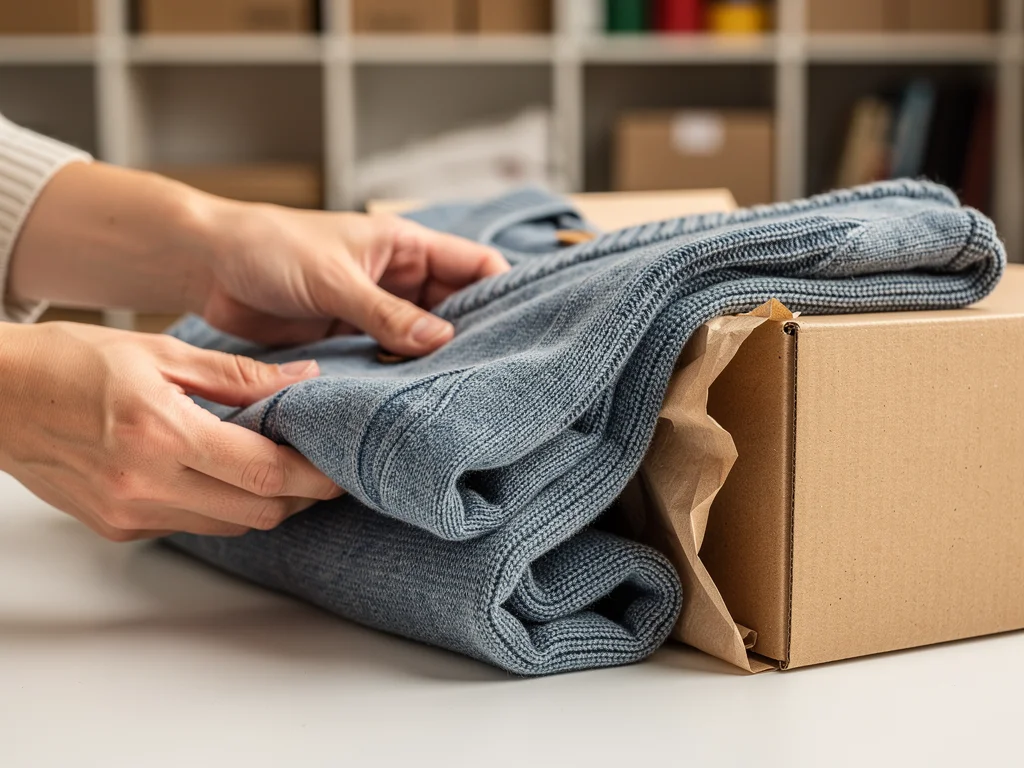
Originally known for its high-end formal wear rentals, Rent the Runway has strategically broadened its offerings to include a robust selection of casual and everyday attire, making designer fashion accessible for daily life without the commitment of ownership. This expansion represents a significant step in normalizing clothing rental beyond special occasions, positioning it as a viable and attractive option for building a sustainable casual wardrobe. Subscribers can now rent a rotating closet of contemporary styles, from versatile denim to stylish tops and comfortable dresses, catering to a wide range of personal preferences and professional needs.
The subscription-based model is at the core of Rent the Runway’s casual wear strategy. Members pay a monthly fee for access to a certain number of items, which they can rotate as frequently as they wish. This provides unparalleled flexibility and variety, allowing consumers to experiment with trends, refresh their look, and reduce their fashion footprint simultaneously. The company handles all cleaning, maintenance, and shipping, offering a seamless and luxurious experience that encourages repeat engagement and fosters a deeper appreciation for quality garments.
Benefits of Rent the Runway for casual wear
- Wardrobe variety: Access to an ever-changing selection of designer casual clothing.
- Cost-effectiveness: Enjoy high-quality items without the upfront cost of purchase.
- Sustainability: Reduces textile waste by maximizing the utility of each garment.
- Convenience: Includes cleaning, repairs, and shipping, simplifying the fashion experience.
Rent the Runway’s pivot to casual attire demonstrates a profound understanding of evolving consumer demands for both style and sustainability. By making rental an integral part of everyday fashion, they are challenging traditional ownership models and empowering individuals to consume more consciously. Their commitment to maintaining garment quality through professional cleaning and repair services further reinforces the circularity of their model, ensuring that each piece remains in circulation for as long as possible. This approach not only benefits the environment but also offers a dynamic and exciting way to engage with fashion.
Patagonia Worn Wear: a model for durable and repairable casual clothing
Patagonia, a brand synonymous with outdoor gear and environmental activism, has long been a proponent of durability and repairability. Their Worn Wear program exemplifies a deep commitment to circularity, encouraging customers to extend the life of their casual and technical apparel through repair, reuse, and recycling. Unlike many brands that focus solely on new sales, Patagonia actively promotes the longevity of its products, viewing each garment as an investment rather than a disposable item. This philosophy is particularly relevant for casual wear, where comfort and resilience are key attributes.
The Worn Wear initiative offers several avenues for participation. Customers can bring their worn-out Patagonia items to stores for free repairs, attend mobile repair events, or even send items in for mending. The program also facilitates the trade-in of used Patagonia clothing, which is then cleaned, repaired, and resold through the Worn Wear online platform. This comprehensive approach ensures that high-quality garments remain in circulation for as long as possible, significantly reducing the demand for new production and minimizing waste. Patagonia’s transparency about its supply chain and environmental impact further solidifies its position as a leader in sustainable fashion.
Key aspects of Patagonia’s Worn Wear program
- Free repairs: Encourages customers to mend rather than replace their garments.
- Trade-in program: Allows customers to exchange used gear for credit towards new or used items.
- Resale platform: Offers refurbished Patagonia products, making sustainable choices more accessible.
- Educational initiatives: Promotes conscious consumption and care for clothing through workshops and content.
Patagonia’s Worn Wear program is more than just a business model; it’s a cultural statement about valuing resources and resisting fast fashion. By demonstrating that casual clothing can and should last for years, even decades, the brand sets a high standard for the industry. Their unwavering dedication to product quality, coupled with robust repair and resale services, positions them as a true pioneer in the circular fashion movement, inspiring both consumers and other brands to embrace a more responsible approach to apparel.
The RealReal: luxury resale embracing everyday styles
The RealReal has carved out a significant niche in the luxury consignment market, but its impact on the circular fashion movement extends to high-end casual attire. By providing a trusted platform for buying and selling authenticated pre-owned luxury goods, including premium casual wear from renowned designers, The RealReal contributes to extending the lifecycle of valuable garments. This service caters to a discerning clientele who appreciate quality, craftsmanship, and sustainability, offering a sophisticated alternative to traditional retail for everyday luxury items.
Authentication is a cornerstone of The RealReal’s operations, addressing a major concern in the luxury resale market. Their team of experts meticulously verifies every item, ensuring buyers receive genuine products. This rigorous process builds trust and encourages more consumers to participate in the circular economy for high-value casual pieces, such as designer denim, cashmere sweaters, and premium sneakers. For sellers, the platform offers a convenient way to monetize their unworn or gently used luxury items, earning a commission while promoting sustainable consumption.
How The RealReal supports circular fashion
- Authentication expertise: Ensures legitimacy of luxury items, building buyer confidence.
- Broad category reach: Includes a wide range of luxury casual wear, from streetwear to everyday essentials.
- Economic incentive: Provides a financial return for sellers of pre-owned luxury goods.
- Sustainability reports: Publishes data on the environmental impact of resale, highlighting positive contributions.
By focusing on the resale of luxury casual wear, The RealReal demonstrates that circularity is not limited to affordable or utilitarian items. It shows that even high-value fashion can and should be part of a sustainable system, reducing the demand for new production and minimizing the environmental footprint associated with luxury goods. Their model encourages a thoughtful approach to fashion consumption, where quality and longevity are prioritized, and garments are seen as investments that can be enjoyed by multiple owners over time. This approach significantly contributes to the broader circular fashion narrative.
Nuuly: urban casuals through a subscription model
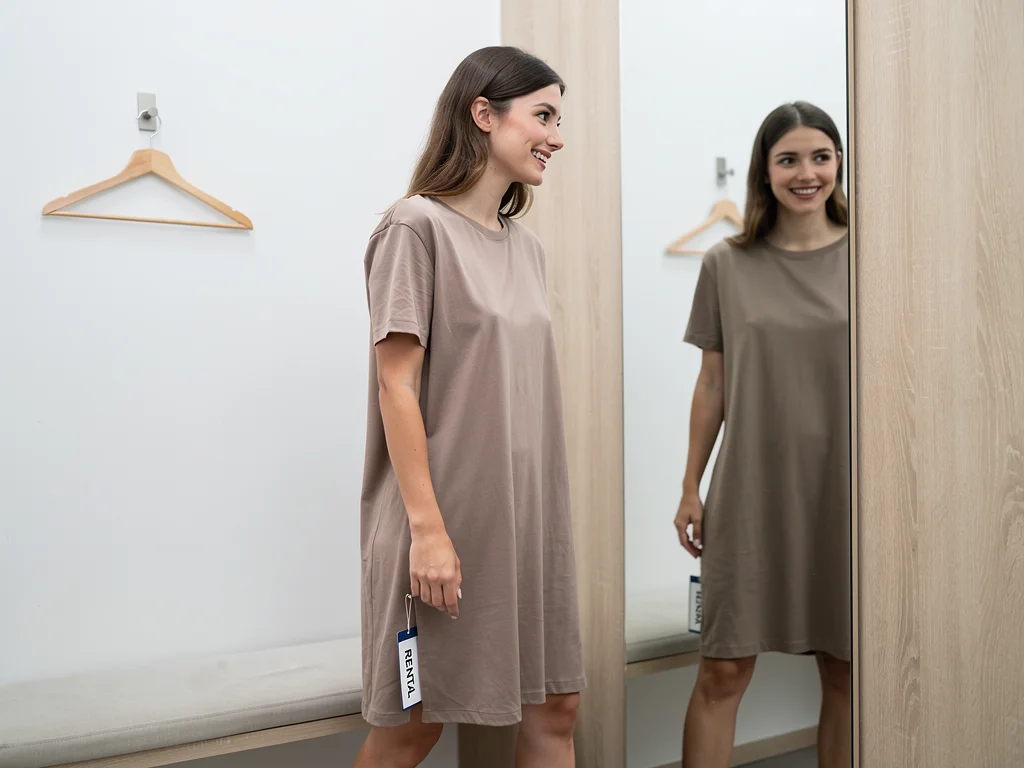
Nuuly, a rental subscription service launched by URBN (the parent company of Urban Outfitters, Anthropologie, and Free People), is specifically designed for the casual and contemporary fashion market. It offers a fresh approach to consuming everyday styles, allowing subscribers to rent a curated selection of apparel from hundreds of brands, including their own, for a monthly fee. This model directly addresses the desire for variety and novelty in casual wear without the environmental impact and financial commitment of constant purchasing.
The service targets a demographic that values personal style and conscious consumption, providing access to a diverse wardrobe that can be refreshed regularly. Subscribers choose a certain number of items each month, wear them, and then return them to receive a new set. Nuuly handles all cleaning and repairs, ensuring each garment is ready for its next wearer. This system significantly extends the life of clothing items, transforming them from single-owner purchases into shared resources within a dynamic, circular ecosystem. The focus on casual and trendy pieces makes it particularly appealing for daily fashion needs.
Nuuly’s unique contributions to circular fashion
- Curated selection: Offers a wide range of on-trend and classic casual styles from various brands.
- Flexible subscription: Allows members to swap items regularly, keeping their wardrobe fresh.
- Reduced waste: Maximizes garment utility through multiple wears and professional care.
- Accessibility: Makes diverse fashion more affordable and sustainable for everyday consumers.
Nuuly’s success underscores the growing demand for flexible and sustainable fashion solutions in the casual wear segment. By leveraging URBN’s extensive brand portfolio and retail expertise, Nuuly has created a powerful platform that encourages a rental-first mindset for everyday clothing. This not only offers economic benefits to consumers but also plays a vital role in diverting textiles from landfills and promoting a more resource-efficient fashion industry. Nuuly is a prime example of how major retailers can adapt to and lead the charge in the circular economy, making sustainable casual fashion both achievable and desirable.
The collective impact of circular fashion pioneers
The brands highlighted—ThredUp, Rent the Runway, Patagonia Worn Wear, The RealReal, and Nuuly—each represent a distinct facet of the circular fashion movement within the US, particularly as it pertains to casual attire. While their business models vary, from peer-to-peer resale to subscription rentals and brand-led repair initiatives, their collective impact is profound. These pioneers are not merely offering alternatives; they are actively reshaping consumer behavior, challenging the conventions of fast fashion, and demonstrating the commercial viability of sustainable practices.
Their efforts are leading to a significant reduction in textile waste, a decrease in the demand for new production, and a re-education of consumers about the value of clothing. By making it easier, more affordable, and more desirable to rent, buy secondhand, or repair garments, these companies are fostering a cultural shift towards conscious consumption. This movement is critical for addressing the environmental challenges posed by the traditional fashion industry, including excessive water usage, chemical pollution, and greenhouse gas emissions. The rise of these brands indicates a maturing market for sustainable fashion, moving beyond niche appeal to mainstream adoption.
Broader implications for the fashion industry
- Innovation in supply chains: Encourages brands to design for circularity from the outset.
- Policy advocacy: Supports the development of regulations promoting textile recycling and waste reduction.
- Consumer empowerment: Offers consumers more choices that align with their values.
- Economic opportunities: Creates new jobs and business models within the circular economy.
The success of these circular fashion US brands serves as a compelling blueprint for the future of the apparel industry. They prove that profitability and sustainability are not mutually exclusive but can, in fact, be mutually reinforcing. As more brands recognize the benefits of embracing circular models, and as consumer demand for sustainable options continues to grow, the linear fashion system appears increasingly outdated. These pioneering companies are not just selling clothes; they are selling a vision of a more responsible, resilient, and ultimately, more stylish future for casual attire.
| Pioneering Brand | Circular Model Focus |
|---|---|
| ThredUp | Large-scale online consignment and resale for everyday casuals. |
| Rent the Runway | Subscription-based rental service for casual and designer everyday wear. |
| Patagonia Worn Wear | Repair, reuse, and resale program emphasizing product longevity and durability. |
| Nuuly | Rental subscription service focused on urban casual and contemporary styles. |
Frequently asked questions about circular fashion
The primary goal is to shift from a linear ‘take-make-dispose’ model to a regenerative system. This involves designing out waste and pollution, keeping products and materials in use, and regenerating natural systems, ultimately reducing the environmental impact of the fashion industry.
Rental models extend the lifespan of garments by allowing multiple users to wear the same item. This reduces the need for new production, conserves resources, and minimizes textile waste, making fashion more accessible and sustainable without requiring ownership.
Buying secondhand offers several benefits, including reduced environmental impact by giving clothes a second life, access to unique styles, and significant cost savings. It also helps to divert millions of pounds of clothing from landfills annually.
Absolutely. Platforms like The RealReal demonstrate that luxury casual wear, with its inherent quality and durability, is well-suited for resale. This model retains the value of high-end items, making them accessible to a broader audience and reducing the demand for new luxury production.
Consumers can participate by choosing to rent clothes, buying from resale platforms, repairing their garments instead of discarding them, and opting for brands that prioritize durable and sustainably sourced materials. Supporting circular fashion US brands directly contributes to a more sustainable industry.
Conclusion
The circular fashion movement represents a pivotal shift in how we interact with our clothing, moving towards a more sustainable and responsible future. The five US brands explored here—ThredUp, Rent the Runway, Patagonia Worn Wear, The RealReal, and Nuuly—are at the vanguard of this transformation, each offering innovative rental and resale models specifically tailored for casual attire. Their pioneering efforts not only provide consumers with diverse and eco-conscious options but also set a powerful precedent for the broader fashion industry. By embracing these circular practices, from extended product lifecycles to facilitated reuse and repair, these brands are demonstrating that economic success and environmental stewardship can indeed go hand-in-hand. The growing momentum of these initiatives signals a promising future where fashion is not only stylish but also fundamentally sustainable.
Related Posts: